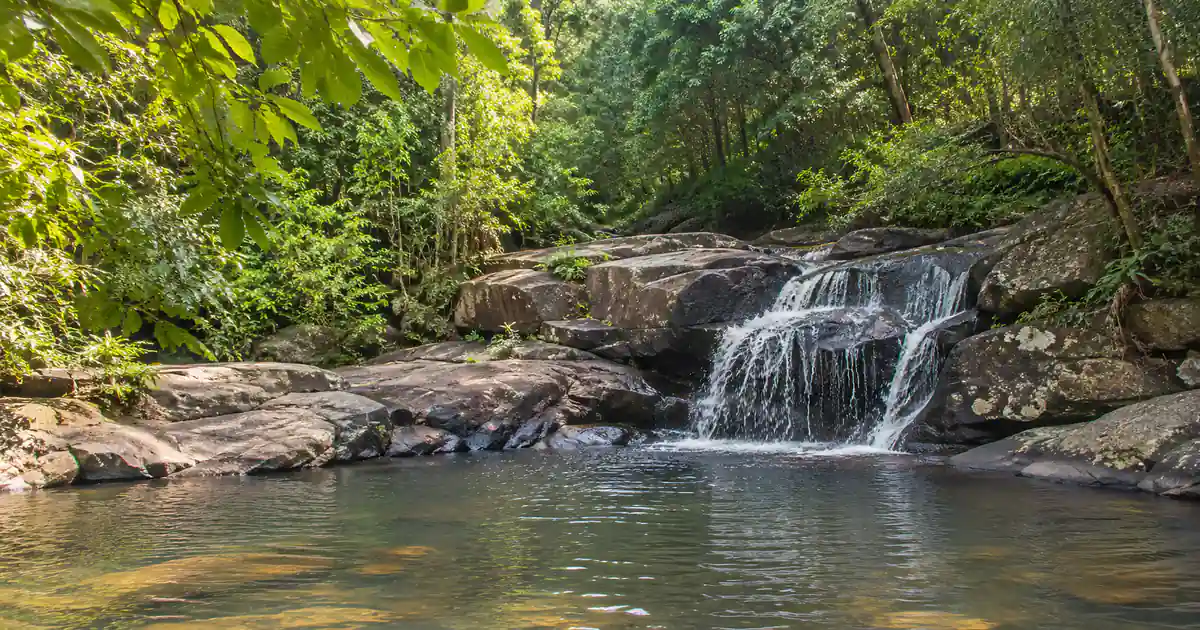
Lulung Waterfall Similipal Mayurbhanj: Best Time & Travel Guide
Plan your trip to Lulung Waterfall Similipal Mayurbhanj. Discover Palpala river rapids, Aranya Nivas stay, timings, route maps, and visitor tips.
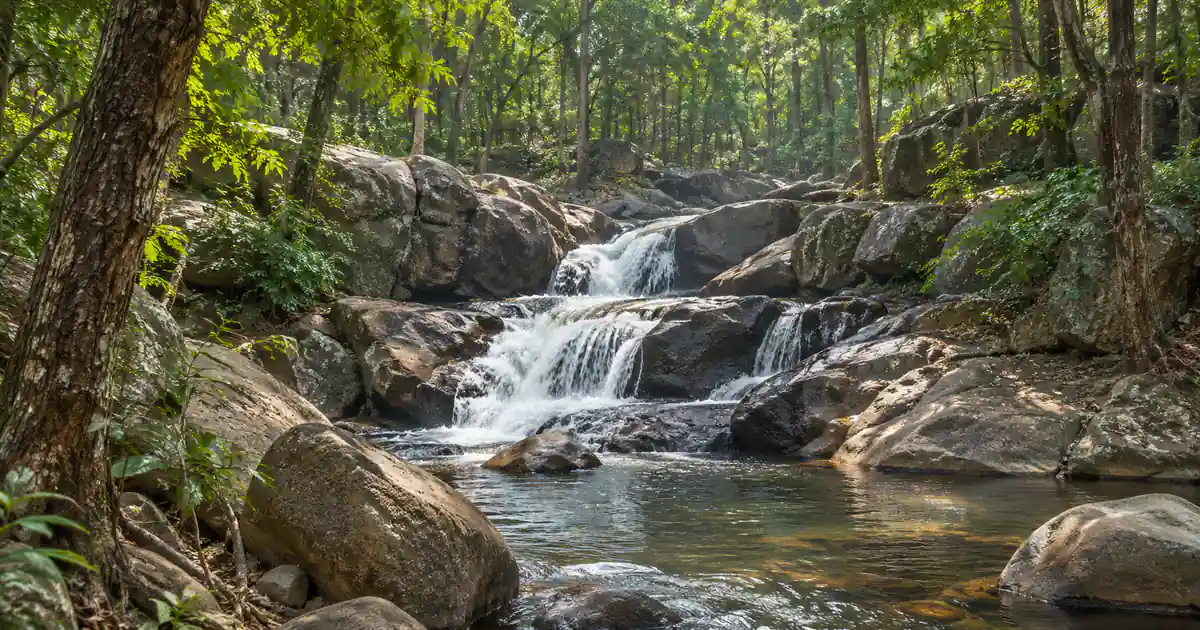
Lulung Waterfall Similipal Mayurbhanj stands among the most scenic eco-tourism getaways in northern Odisha. Positioned along the rocky banks of the Palpala River at the eastern entrance to Similipal Tiger Reserve, this perennial water destination lies roughly twenty kilometers west of Baripada town. Travelers exploring northern Odisha frequently incorporate this forest retreat into our comprehensive Mayurbhanj district travel guide to experience clear mountain streams flowing through sal biosphere woodlands.
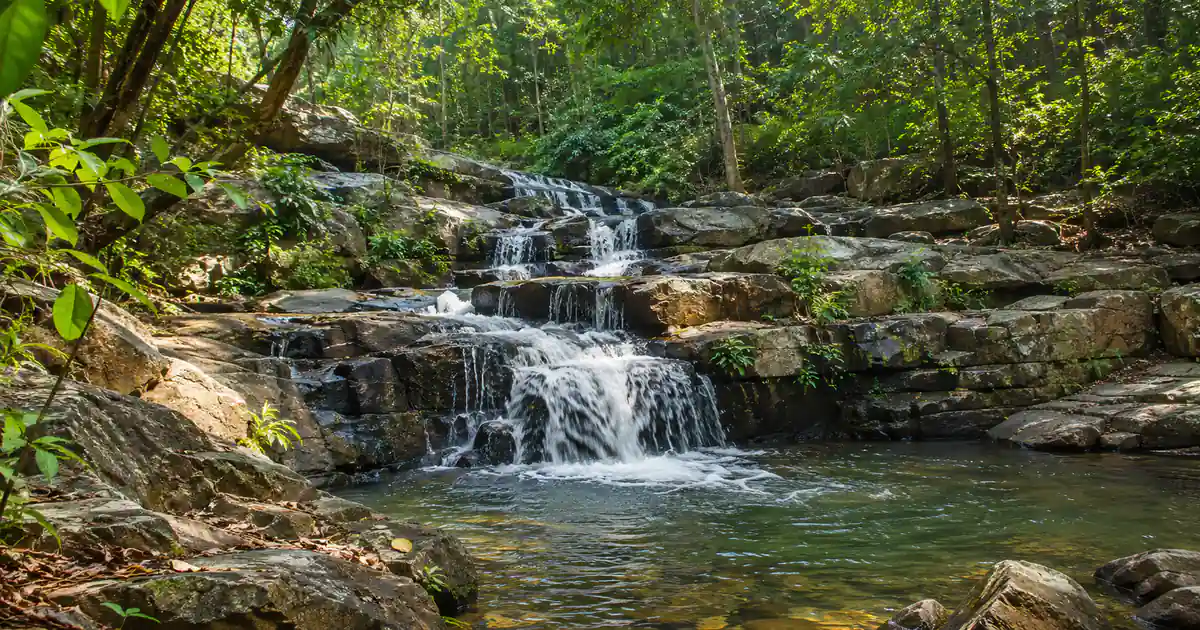
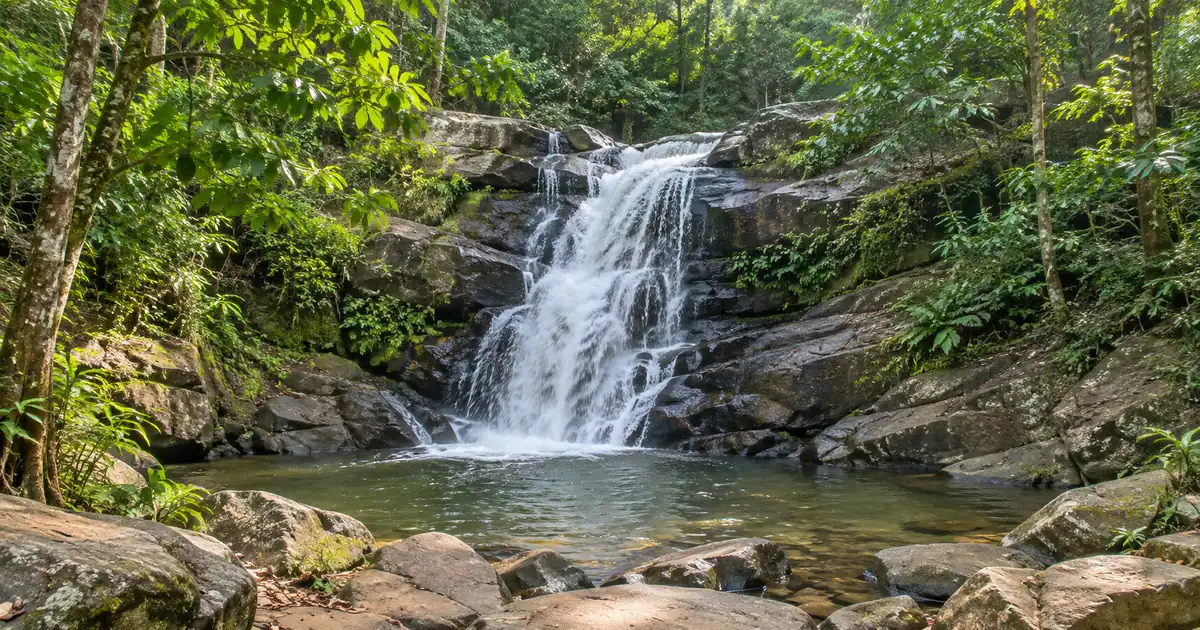
The river at Lulung cascades through narrow granite channels and tumbles over multi-colored river boulders, forming natural rapids and shallow wading pools. The area is home to the famous Aranya Nivas eco-resort, where travelers can stay in wooden cottages set beneath the forest canopy. Family vacationers and birdwatchers regularly visit Lulung to enjoy peaceful riverside walks and crisp mountain air.
Key Takeaways
- Palpala River Rapids: Clear hill currents course over polished quartzite and granite boulders, creating natural rapids.
- Similipal Eastern Gateway: Positioned right near the Pithabata entrance check post of the national tiger reserve.
- Proximity to Baripada: Located twenty kilometers from the district headquarters along paved scenic forest roads.
- Eco-Resort Hospitality: Features comfortable nature cottages and dining facilities at Aranya Nivas along the riverbank.
- Popular Forest Picnic Clearings: Shaded river sandbars and pebble banks offer prime spaces for quiet outdoor day trips.
Lulung Waterfall at a Glance: Key Travel Metrics
Planning a visit to Lulung requires understanding its location on the border between rural agricultural settlements and the dense forests of Similipal. The site provides a relaxing wilderness experience without requiring deep off-road jungle driving.
The location offers a peaceful base for day visitors who want to explore nearby waterfalls or prepare for morning safaris into the national park. Combining a morning at Lulung with an afternoon visiting royal landmarks in Baripada creates a well-rounded holiday.
| Travel Feature | Verified Metric | Traveler Planning Notes |
|---|---|---|
| Waterfall Formation | Riverbed rapids and stepped cascade | Palpala River rushes over wide granite boulders |
| River System | Palpala River (Budhabalanga tributary) | Originates deep in the central Similipal highlands |
| Nearest City | Baripada (20 km east) | Royal Bhanja capital with markets, hotels, and rail |
| Reserve Check Post | Pithabata Gate (3 km west) | Official entry point for eastern Similipal safaris |
| District Headquarters | Baripada (20 km) | Administrative center of Mayurbhanj district |
| Visiting Hours | 7:00 AM to 5:30 PM | Open daily during daylight hours for day visitors |
| Admission Fee | Free public access to riverbanks | Modest community vehicle parking charge applies |
| Nearest Railway | Baripada Railway Station (BPO, 21 km) | Connects to Balasore on the East Coast mainline |
Soft morning light filtering through the sal branches illuminates the river mist, creating striking conditions for landscape photography. Arriving before midday ensures quiet trail access before afternoon picnic groups gather along the stream banks.
Riverbed Topography: The Palpala Rapids and Granite Boulders
The geological appeal of Lulung Waterfall Similipal Mayurbhanj centers on the sculptured metamorphic riverbed of the Palpala River. Originating in the high plateau springs of central Similipal, the river cuts through rocky valleys before emerging onto the eastern plains.
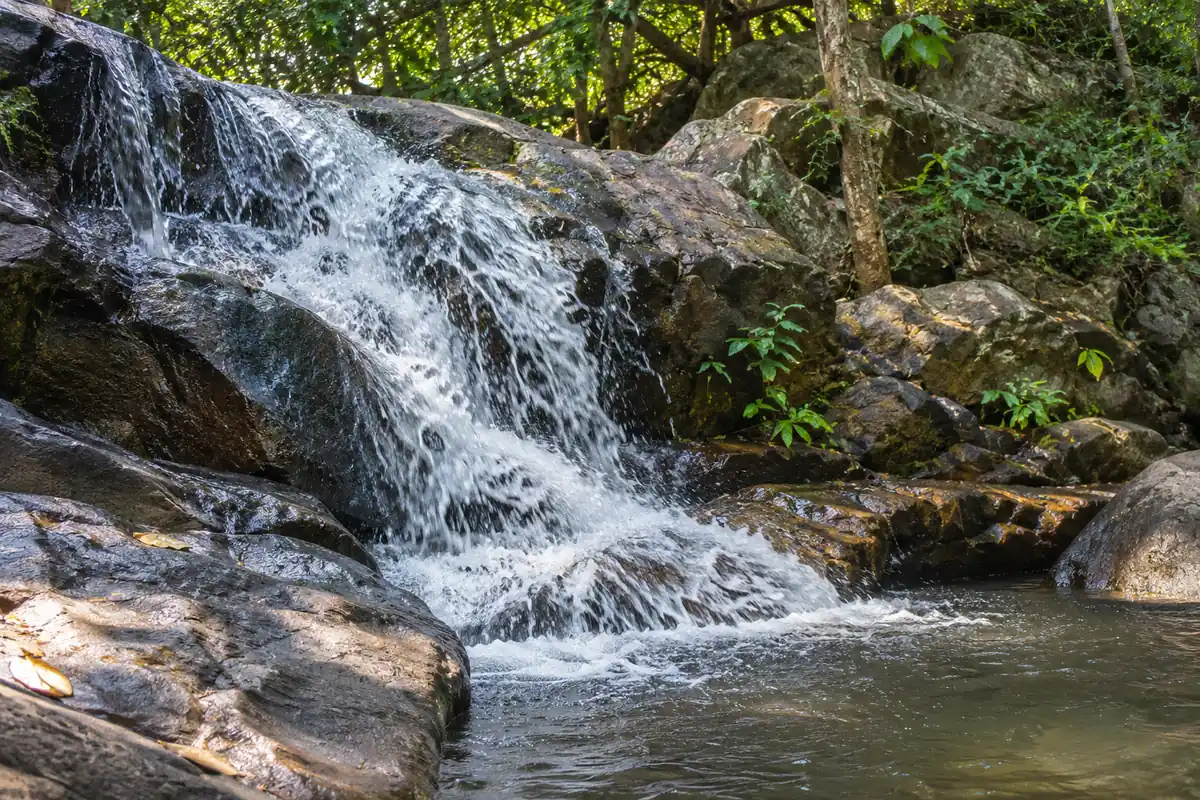
Over millennia, swirling currents have smoothed large granite and quartzite boulders into rounded shapes of varied colors. The river splits into several rushing braids that cascade over natural stone sills, creating sparkling mini-waterfalls and bubbling white-water channels.
Palpala river currents and sal forest trails near Lulung in Mayurbhanj.
Between the rapids, wide natural plunge pools feature shallow, transparent water where visitors can safely dip their feet and admire small river fish swimming over pebble beds. The gentle sound of moving water echoes through the valley, providing natural acoustic calm.
Locals commonly refer to the natural rapids as lulung waterfall baripada. The presence of Aranya Nivas Lulung gives travelers the option to extend their stay in eco-cottages right beside the water.
As one of the prominent baripada tourist places, regional guidebooks also document the cascade as lulung falls mayurbhanj.
Woodland Ecology and Biosphere Richness of Similipal
The forest tract sheltering Lulung forms a vital part of the eastern buffer zone of Similipal Biosphere Reserve. Dense stands of Shorea robusta (sal) dominate the ridges, mixed with asan, kusum, mahua, and wild mango trees.
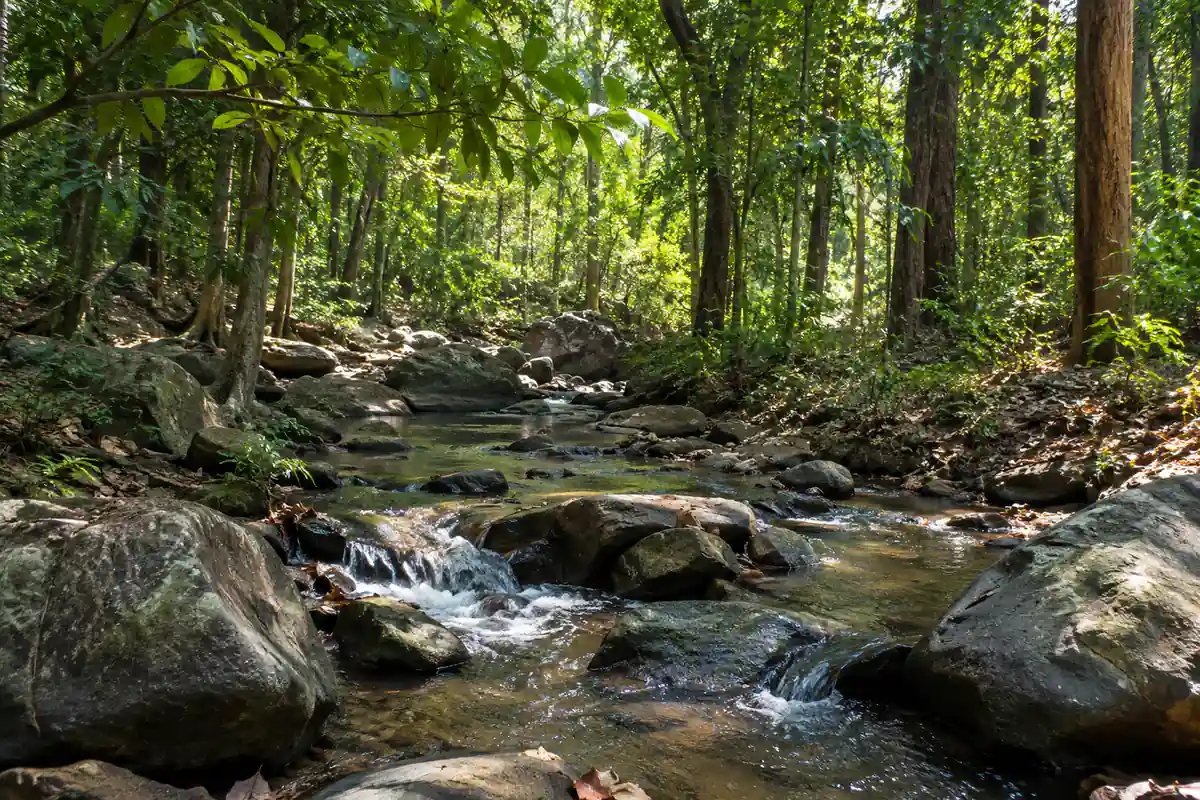
The moist microclimate along the river supports flowering epiphytic orchids, native ferns, and wild ginger roots. Cool breezes descending from the upper hills carry the fragrant aroma of damp mountain foliage.
Birdwatching Opportunities Along the Palpala
The flowing river and dense tree cover provide abundant food and shelter for resident forest bird communities.
- Asian paradise flycatchers swooping over shaded stream pools.
- White-rumped shamas singing melodic notes from dense bamboo thickets.
- Stork-billed kingfishers perched on overhanging branches watching for fish.
- Scarlet minivets adding flashes of bright color among high tree leaves.
Environmental Stewardship Along the Buffer Zone
Because Lulung borders a protected tiger reserve, visitors are expected to maintain strict conservation ethics. Refrain from playing loud amplified music, littering plastic bottles, or lighting open fires near dry leaf litter.
Seasonal Discharge Patterns: Best Travel Months
The water volume and flow velocity of the Palpala River at Lulung vary with seasonal monsoon precipitation across the Similipal hills.
| Calendar Season | River Flow & Valley Weather | Travel Assessment |
|---|---|---|
| Winter (October to March) | Clear steady flow, pleasant 12°C to 26°C | Ideal period for river wading, picnics, and photography |
| Monsoon (July to September) | Swollen brown flood, powerful currents | High water volume; wading in rapids is strictly unsafe |
| Summer (April to June) | Gentle shallow stream, warm 26°C to 38°C | Reduced water levels; early morning visits recommended |
The dry winter months between October and March offer the finest travel conditions. During this period, the turbulent monsoon spate settles into clear, emerald-tinted water, and comfortable daytime temperatures make walking along the riverbed pleasant.
During December and January, morning mist hangs over the river, creating scenic woodland vistas. For travelers interested in planning broader waterfall journeys across the state, explore our complete full list of waterfalls in Odisha.
How to Reach Lulung Waterfall from Baripada, Balasore, and Kolkata
Reaching Lulung Waterfall involves an easy journey connecting major highway networks with scenic rural roads.
| Travel Origin | Road Distance | Approximate Travel Time | Major Highway Route |
|---|---|---|---|
| Baripada Town | 20 km | 40 minutes | Via Pithabata rural paved road |
| Pithabata Gate | 3 km | 8 minutes | Direct forest reserve road |
| Balasore Rail Junction | 75 km | 1 hour 45 minutes | Via NH-18 north through Badasahi |
| Bhubaneswar Airport | 270 km | 5 hours 15 minutes | Via NH-16 and NH-18 northern corridor |
| Kolkata City | 235 km | 4 hours 30 minutes | Via NH-16 south through Jaleswar and Baripada |
| Jamshedpur City | 145 km | 3 hours 15 minutes | Via NH-220 south through Rairangpur |
Transit by Private Car or Hired Taxi
Driving a personal vehicle or hiring a cab from Baripada is the most convenient option. The road passes through open farming fields, quiet rural hamlets, and sal forest edges before reaching the river parking area.
Public Bus and Rail Connections
Regular state transport buses link major Odisha cities with the central bus terminus in Baripada. From Baripada, local shared autos and rural minibuses operate regularly toward Pithabata. Intercity train passengers can alight at Baripada Station (BPO) or take mainline trains to Balasore (BLS). Official travel advisories and roadway updates are maintained on the Odisha State Portal and Odisha Tourism Portal.
[!TIP] Ensure your vehicle has adequate fuel before departing Baripada. Forest roads leading into Lulung feature no commercial fuel stations or ATM facilities.
Picnic Planning and Outdoor Recreation at Lulung
Lulung is widely recognized across northern Odisha as a favored destination for family picnics, youth outings, and nature retreats. Flat pebble clearings and shaded sandbanks along the river offer natural spaces for relaxing by the water.
Essential Equipment and Preparation
Because the riverbanks maintain an open forest setting without grocery stores, visitors should arrive properly supplied.
- Packed Food or Fresh Provisions: Bring prepared meals or fresh produce purchased from Baripada morning bazaars.
- Drinking Water Supply: Carry ample sealed mineral water containers to stay hydrated during outdoor walks.
- Appropriate River Footwear: Wear water shoes or rubber-soled sandals to navigate smooth, wet river boulders safely.
- Heavy-Duty Garbage Bags: Carry durable trash bags to pack out all food wrappers, disposable plates, and beverage containers.
To discover alternate scenic riverbanks and picnic spots across the state, browse our curated directory of picnic spots in Odisha.
Regional Touring Circuit: Combining Lulung with Mayurbhanj Landmarks
A visit to Lulung fits naturally into a broader day-long or multi-day itinerary through Mayurbhanj district.
Sacred Sitakund Waterfall
Located just fifteen kilometers away along the same forest periphery, our Sitakund Waterfall guide explores this sacred circular plunge pool associated with Ramayana lore.
Devkund Waterfall and Ambika Shrine
Situated sixty kilometers southward in Udala block, our Devkund Waterfall guide details five natural rock pools and an ancient hilltop Shakti temple.
Colossal Barehipani Waterfall
Within the core zone of Similipal, travelers can journey toward the colossal Barehipani Waterfall, India’s second-highest waterfall dropping 399 meters in a tiered plunge.
Similipal Tiger Reserve Nature Camp
Eco-travelers can extend their stay by booking rustic forest cottages at Similipal Tiger Reserve nature camps to experience guided jungle safaris and birdwatching walks.
Visitor Safety Advisory and Forest Regulations
Visiting Lulung safely requires observing sensible outdoor precautions around moving river waters.
- Watch Your Footing on Wet Boulders: River boulders become slick when coated with water spray or algae. Walk carefully and avoid jumping between wide rock gaps.
- Avoid Wading During Spate: Never wade into the river during or immediately following heavy monsoon rainstorms when water velocity can increase rapidly.
- Supervise Children Constantly: Keep young children within arm reach near the water edge, especially near swift rapids.
- Zero Plastic Waste Policy: Take every piece of garbage back to city bins to protect the natural forest ecosystem.
- Conclude Visit Before Sunset: Forest roads lack street lighting. Complete your riverside activities by 5:00 PM to drive safely back to main towns.
- Cash Readiness: Local village parking attendants and small tea stalls operate on cash only due to intermittent mobile data signals.
Frequently Asked Questions
Where is Lulung Waterfall located in Mayurbhanj?
Lulung Waterfall is located along the Palpala River near the Pithabata gate of Similipal Tiger Reserve in Mayurbhanj district, Odisha. It lies approximately twenty kilometers west of Baripada town.
What river creates the rapids and cascade at Lulung?
The rapids and cascade at Lulung are formed by the Palpala River, a clear mountain tributary of the Budhabalanga River originating high in the Similipal hills.
What are the visiting hours for Lulung Waterfall?
Lulung is open to day visitors daily from 7:00 AM to 5:30 PM. Daylight hours offer the safest conditions for walking along the riverbed and traveling on rural forest roads.
Is an admission fee charged to visit Lulung riverbanks?
Public access to the natural riverbanks at Lulung is completely free. Local village management committees collect a nominal vehicle parking fee of twenty to forty rupees to support area upkeep.
How far is Lulung from Baripada railway station?
Lulung is approximately twenty-one kilometers from Baripada Railway Station. The journey takes around forty minutes by personal car or hired auto-rickshaw along paved rural roads.
What is the best season to explore Lulung in Similipal?
The best time to visit Lulung is between October and March when the weather is pleasantly cool and the Palpala River flows clear and calm. During these winter months, outdoor walking and riverside picnics are very enjoyable.