Gudguda Waterfall Sambalpur: Best Time to Visit & Travel Guide
Explore Gudguda Waterfall Sambalpur with our complete travel guide. Discover multi-tier rock pools, forest picnic clearings, timings, routes, and travel tips.
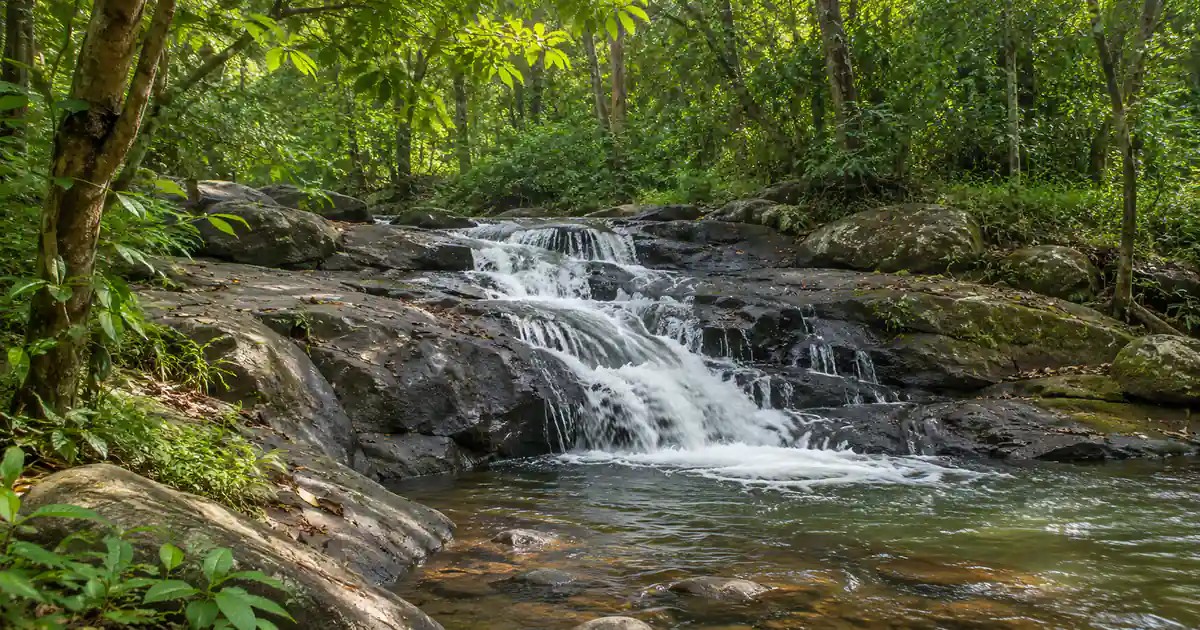
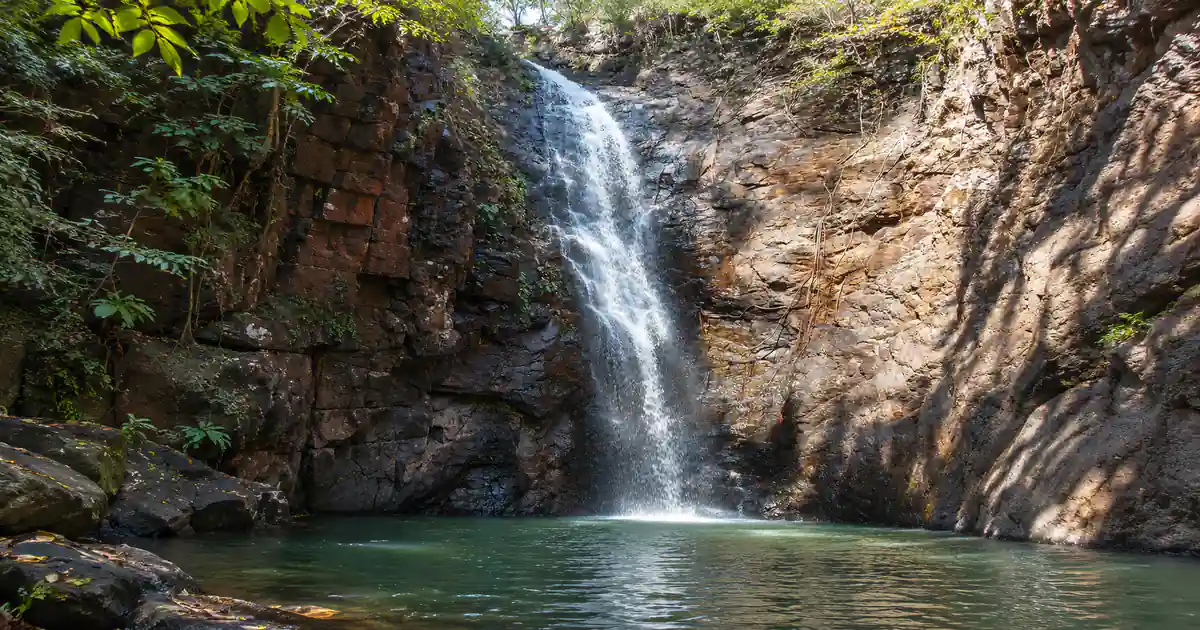
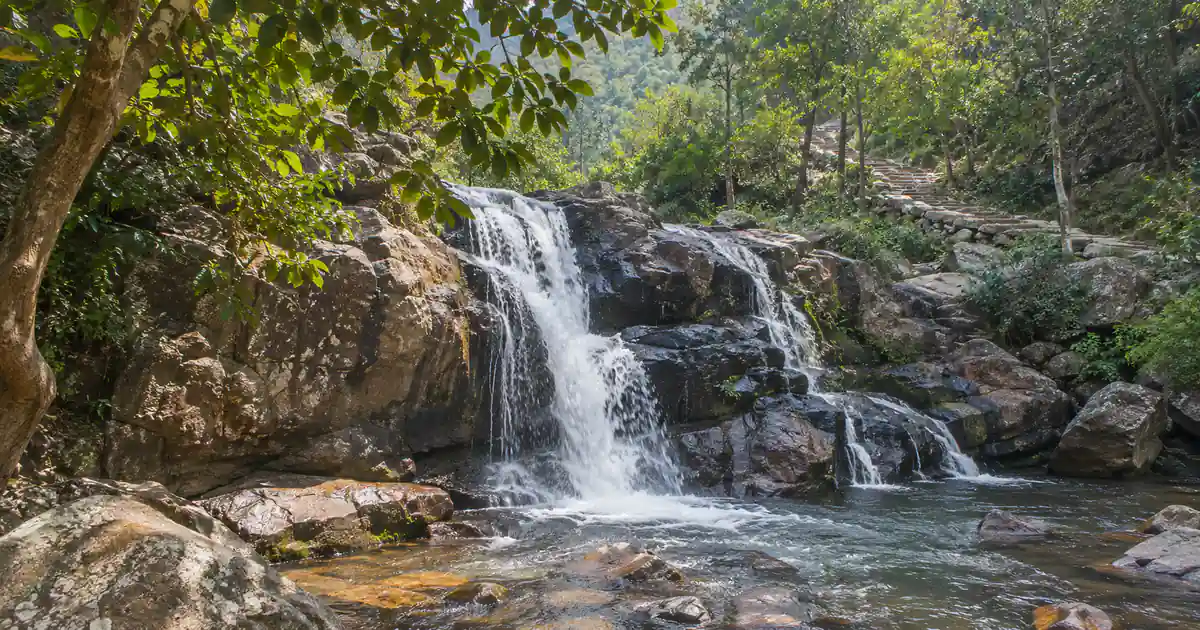
Gudguda Waterfall Sambalpur stands among the most scenic hidden natural wonders in western Odisha. Tucked away within the verdant hills of the Kuchinda subdivision near the Deogarh border, this perennial mountain cascade flows across stepped granite rock basins into tranquil plunge pools. Travelers visiting western Odisha frequently pair this forested retreat with our comprehensive Sambalpur district travel guide to discover quiet woodlands far from crowded urban circuits.
The name Gudguda originates from the pleasant gurgling sound produced as rushing stream waters tumble over stepped rock ledges. Dense stands of ancient sal, mahua, and wild mango trees shade the entire valley floor, keeping ambient temperatures pleasantly cool even during bright sunny afternoons. Family groups and outdoor hiking enthusiasts frequently choose Gudguda for a quiet day outing.
Key Takeaways
- Stepped Natural Rock Pools: Water cascades across multiple carved granite terraces, creating shallow basins ideal for wading.
- Dense Sal Forest Canopy: Towering indigenous woodlands frame the stream banks, providing abundant shade and cool breezes.
- Kuchinda Location: Situated roughly twenty-eight kilometers from Kuchinda town and eighty-five kilometers from Sambalpur city.
- Perennial Water Flow: Hill aquifers sustain steady freshwater flow throughout the entire autumn and winter months.
- Popular Picnic Grounds: Shaded gravel clearings along the brook offer prime sites for peaceful outdoor cooking and day outings.
Gudguda Waterfall at a Glance: Key Travel Metrics
Planning a smooth trip to Gudguda Waterfall requires understanding the geographic setting and access routes. The waterfall sits on the border territory where Sambalpur meets Deogarh and Jharsuguda districts.
The location offers a peaceful alternative to high-traffic destinations. Locals and regional travelers frequently refer to the cascade as gudguda falls sambalpur. As one of the prominent kuchinda tourist places, families and travel groups can easily combine a stop here with wider regional tours across western Odisha.
| Travel Feature | Verified Metric | Traveler Planning Notes |
|---|---|---|
| Waterfall Type | Multi-tiered stepped cascade | Multiple step drops across wide rock shelves |
| Drop Height | Approximately 30 to 45 feet combined | Upper cascades drop into series of stone bowls |
| Nearest Town | Kuchinda (28 km northeast) | Full local markets, fuel stations, and eateries |
| District Headquarters | Sambalpur City (85 to 105 km) | Major rail hub, comfortable hotels, and hospitals |
| Visiting Hours | 7:00 AM to 5:30 PM | Best experienced during bright daylight hours |
| Entry Fee | Free public admission | Nominal community parking fee for vehicles |
| Nearest Railway | Jharsuguda Junction (JSG, 65 km) | Frequent express connections from major cities |
| Nearest Airport | Jharsuguda Airport (JRG, 70 km) | Daily commercial domestic flights via Indigo |
Daylight hours provide the best conditions for exploring the slippery granite formations safely. Arriving before mid-morning ensures plenty of time for quiet exploration before day picnickers arrive.
Geological Charm: The Stepped Rock Basins of Kuchinda
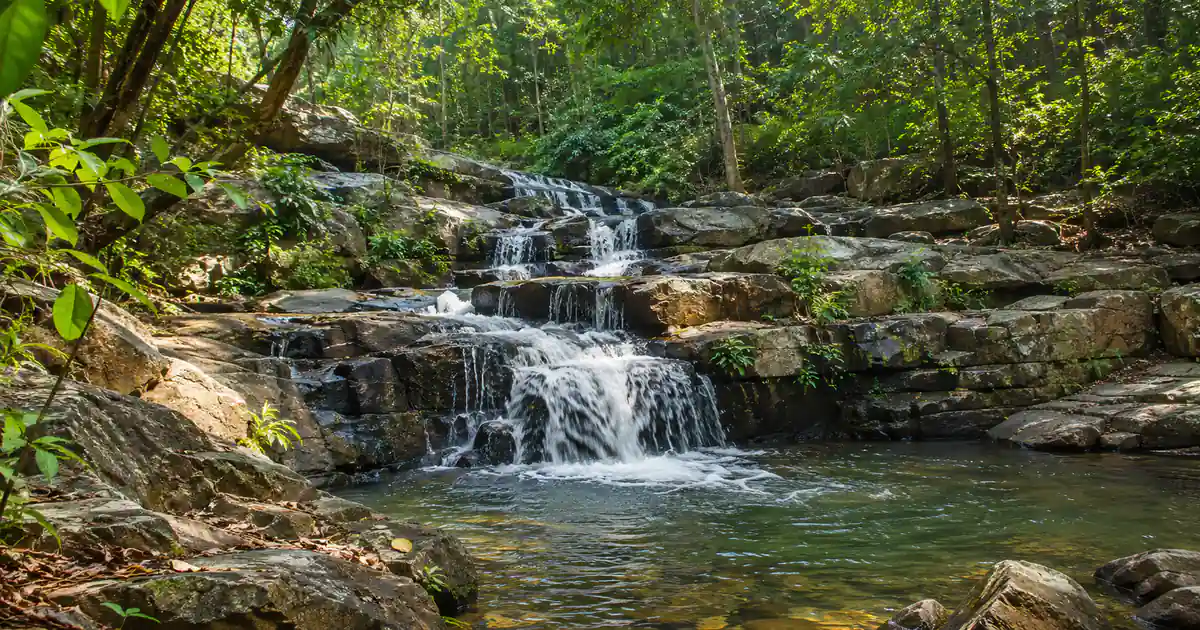
The geological marvel of Gudguda Waterfall Sambalpur is its series of stepped rock basins carved by centuries of flowing water. Unlike sheer vertical plunge waterfalls that drop straight down a canyon wall, the stream at Gudguda glides smoothly over wide slabs of dark volcanic granite.
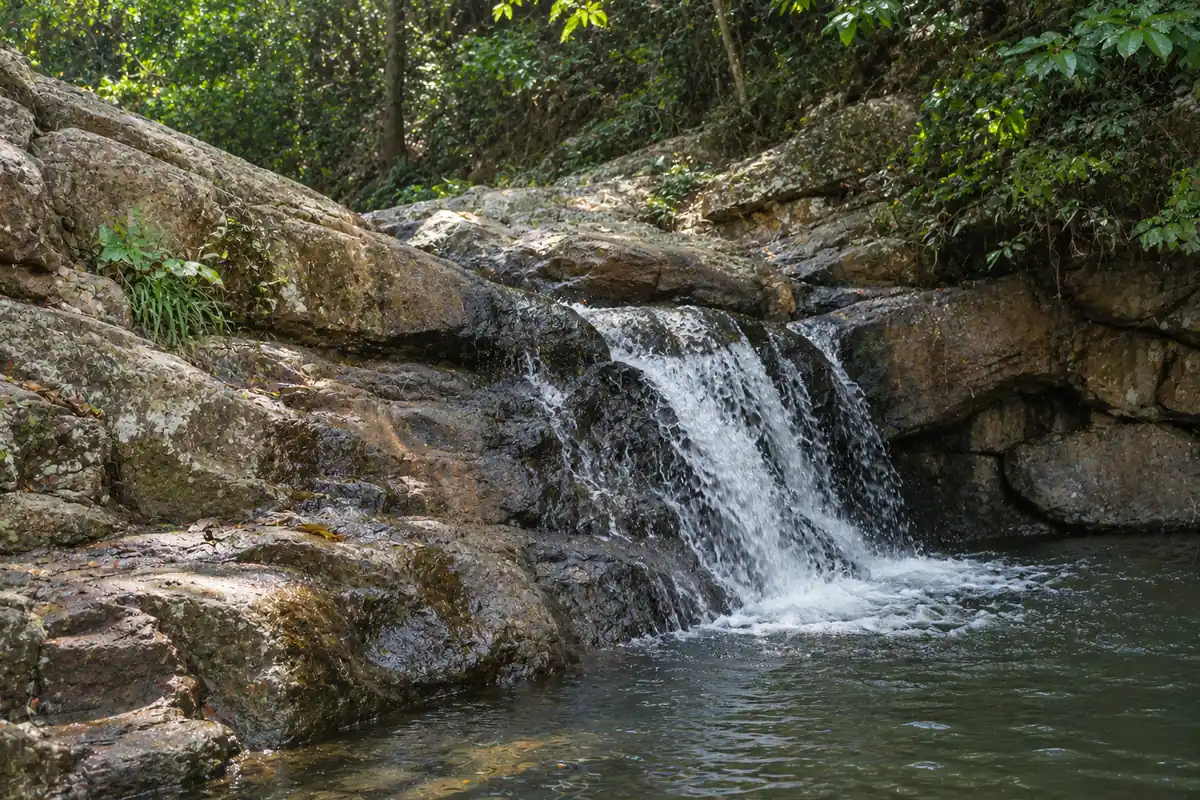
Over thousands of rainy seasons, water currents have scooped out circular hollows and smooth bowl-shaped basins in the bedrock. These natural potholes collect clear mountain water, forming natural baths surrounded by sun-warmed stone ledges.
Stepped granite rock basins and clear mountain water at Gudguda Waterfall.
The multi-stage descent divides the waterfall into distinct upper and lower chambers. Visitors can sit along the dry elevated rock terraces to watch clear currents tumble into the turquoise pools below.
Local traditions record that tribal communities have gathered along these streams for generations during harvest festivals to give thanks to the forest deities. The surrounding rock ledges remain undisturbed by modern concrete development, preserving the natural visual integrity of the stream gorge.
Forest Canopy and Rich Biodiversity Around Kusumi Range
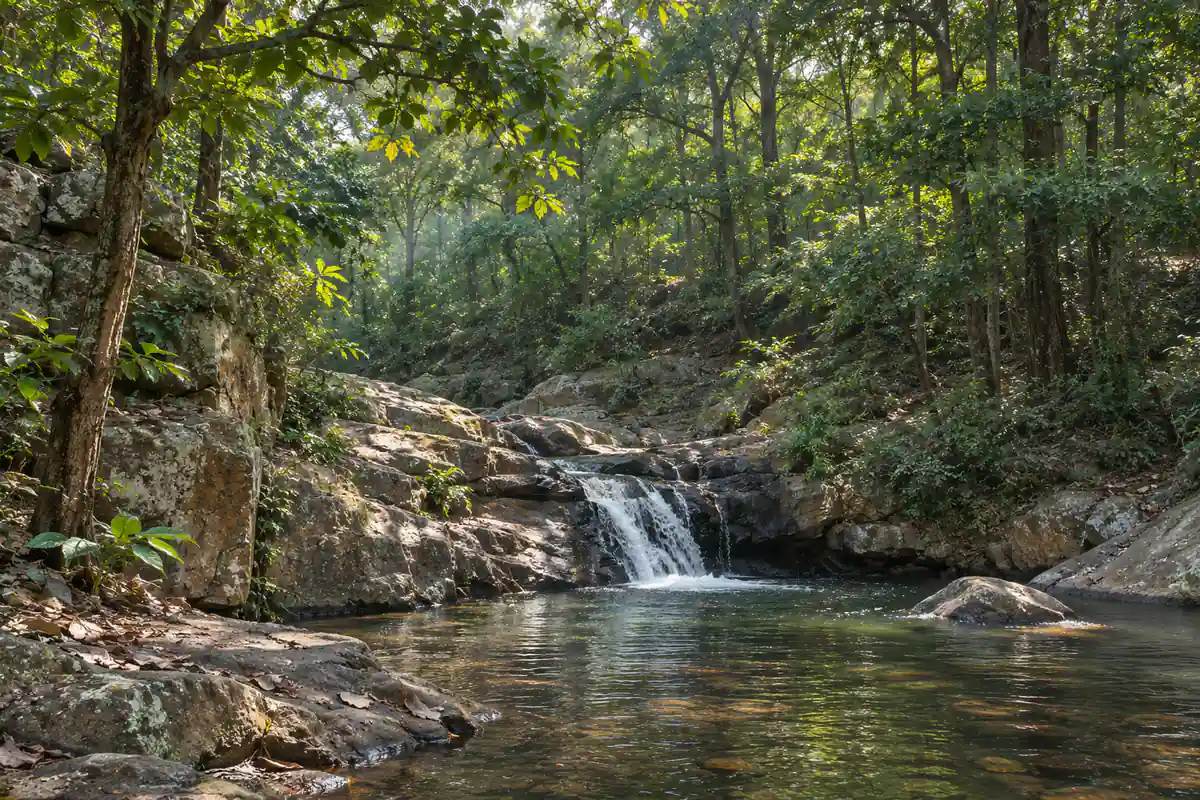
The forest tract sheltering Gudguda belongs to the greater deciduous woodland ecosystem of the Eastern Ghats and Chota Nagpur plateau transition zone. Dense groves of Shorea robusta (sal trees) dominate the ridges, interspersed with wild date palms, Indian rosewood, and flowering palash trees.
During winter, fallen leaves carpet the woodland trails while gentle morning breezes carry the earthy aroma of damp river stones. The undisturbed wilderness provides habitat for a variety of regional wildlife species.
Avian Life Along the Mountain Stream
Birdwatchers and wildlife photographers will find plenty to observe in the early morning hours along the riparian corridor.
- White-throated kingfishers scanning the shallow rock pools for small fish.
- Red-vented bulbuls and Asian koels calling among the wild fig branches.
- Crested serpent eagles soaring above the open forest clearings.
- Indian grey hornbills gliding between tall fruiting trees on the hill slopes.
Flora and Medicinal Plant Wealth
The forest clearings support native medicinal plants long utilized in traditional Odia Ayurvedic formulations. Wild turmeric, amla (Indian gooseberry), harida, and bahada grow wild in the understory. Local environmental committees actively encourage visitors to admire the flora without plucking wild flowers or damaging fragile roots along the watercourse.
Seasonal Flow Patterns: When to Schedule Your Visit
The volume of water rushing down Gudguda Waterfall Sambalpur varies according to regional rainfall patterns across western Odisha.
| Calendar Season | Water Conditions & Flow | Travel Comfort Rating |
|---|---|---|
| Winter (October to February) | Steady crystal-clear flow, mild 12°C to 26°C | Peak travel period for photography, picnics, and walks |
| Monsoon (July to September) | Heavy surging brown current, humid 24°C to 30°C | Dramatic flow volume, slippery rock surfaces require care |
| Summer (March to June) | Gentle narrow trickles, warm 28°C to 42°C | Reduced water levels, early morning visits recommended |
The autumn and winter months between October and February provide optimal travel weather. During this time, the post-monsoon torrent recedes into clear, steady streams and daytime temperatures remain comfortable for walking outdoors.
Between mid-December and late January, visitors encounter brisk morning air and misty forest trails. Those interested in viewing broader regional cascade options can consult our directory of the full list of waterfalls in Odisha to coordinate multi-stop seasonal routes.
How to Reach Gudguda Waterfall from Sambalpur, Jharsuguda, and Deogarh
Reaching Gudguda Waterfall requires traveling along scenic state highways and well-maintained rural branch roads through the green countryside.
| Travel Origin | Road Distance | Approximate Travel Time | Major Highway Route |
|---|---|---|---|
| Kuchinda Town | 28 km | 45 minutes | Kuchinda to Jamankira rural road |
| Jharsuguda Junction | 65 km | 1 hour 45 minutes | Via SH-10 and Kuchinda bypass road |
| Deogarh Town | 48 km | 1 hour 15 minutes | Via NH-49 toward Jamankira border |
| Sambalpur City | 85 km | 2 hours 15 minutes | Via NH-53 and SH-10 road network |
| Rourkela Steel City | 125 km | 3 hours | Via SH-10 southward through Rajgangpur |
| Bhubaneswar Airport | 315 km | 6 hours 30 minutes | Via NH-55 / NH-49 highway corridors |
Transit by Private Vehicle or Hired Taxi
Driving a personal vehicle or hiring a cab from Sambalpur or Jharsuguda provides the greatest flexibility. The drive from Sambalpur heads northeast toward Kuchinda before turning onto peaceful village roads fringed with paddy terraces and forest reserves.
Public Bus and Rail Connections
Travelers relying on public transit can take regular state transport buses from Sambalpur or Jharsuguda to Kuchinda bus terminal. From Kuchinda, private auto-rickshaws and shared rural jeeps operate toward Kusumi and the waterfall trail entrance. For intercity train travelers, Jharsuguda Junction (JSG) serves as the most convenient rail gateway.
[!TIP] Ensure your vehicle fuel tank is full before leaving Kuchinda or Jamankira. Rural forest roads feature limited petrol stations and intermittent mobile data network coverage. Official state roadway updates can be reviewed on the Odisha State Portal and Odisha Tourism Portal.
Picnic Planning and Outdoor Recreation at Gudguda
Gudguda Waterfall is celebrated throughout western Odisha as one of the favorite spots for outdoor family gatherings and winter picnics. The flat gravel clearings set beneath ancient mango groves provide natural shade for setting up mats and outdoor cooking stations.
Facilities and Site Preparation
The site maintains an open natural atmosphere without commercialized restaurants. Travelers planning an extended stay should bring along all essential picnic provisions.
- Drinking Water: Carry ample bottled mineral water or filtered canisters for the entire day.
- Prepared Food or Ingredients: Most groups bring premade meals or source fresh produce from Kuchinda market for outdoor cooking.
- Trash Bags: Bring heavy-duty garbage bags to pack out all disposable food plates, plastics, and vegetable peels.
- Footwear Choice: Wear sturdy sports shoes with non-slip rubber outsoles for climbing across smooth granite surfaces.
For travelers looking to evaluate alternate lakeside and woodland picnic clearings across the western region, explore our detailed breakdown of picnic spots near Sambalpur.
Regional Excursions: Pairing Gudguda with Nearby Western Landmarks
A day trip to Gudguda Waterfall fits naturally into broader multi-day sightseeing circuits across Sambalpur, Deogarh, and Jharsuguda.
Pradhanpat Waterfall in Deogarh
Located just forty-eight kilometers to the east, Pradhanpat Waterfall Deogarh offers a thirty-meter vertical cascade framed by historic princely architecture. Comparing gudguda vs pradhanpat reveals two distinct experiences: Gudguda provides wide multi-tiered rock basins set within a quiet forest, while Pradhanpat presents a sheer vertical cliff drop with historic stone pavilions.
Koilighughar Waterfall in Jharsuguda
Roughly seventy-five kilometers to the northwest, Koilighughar Waterfall features the sacred Maheswarnath Shiva lingam submerged beneath an underground stream cavern. Travelers can easily combine both destinations across a relaxing two-day weekend itinerary.
Hirakud Dam and Debrigarh Wildlife Sanctuary
Visitors returning toward Sambalpur can tour the world-renowned Hirakud Dam Sambalpur to admire the longest earthen reservoir in Asia, or book an evening eco-safari through Debrigarh Wildlife Sanctuary along the lake periphery.
Visitor Safety Rules and Responsible Tourism Ethics
Enjoying Gudguda Waterfall safely requires practicing sensible outdoor precautions and respecting the fragile forest setting.
- Watch Your Step on Wet Granite: Water spray makes the smooth rock steps slippery. Avoid walking barefoot on dark algae-tinted stone ledges.
- Supervise Children Near Deep Pools: While the shallow margins allow safe splashing, certain carved plunge basins feature sudden deep drop-offs. Keep young children within arm reach at all times.
- Strict Ban on Glass Bottles: Breaking glass bottles on rocky trails causes severe foot injuries to pilgrims and forest animals. Carry all beverages in reusable containers.
- Pack Out Every Scrap of Plastic: Gudguda is a sensitive forest habitat. Never leave plastic wrappers, paper plates, or empty water bottles behind.
- Depart Before Twilight: Forest roads leading away from Kuchinda lack streetlights. Conclude your visit by 5:00 PM to ensure safe driving before darkness sets in.
- Cash Essentials: Rural merchants near the parking clearing and village fruit sellers do not accept digital payments due to weak mobile reception. Keep small cash notes handy.
Frequently Asked Questions
Where is Gudguda Waterfall located in Sambalpur?
Gudguda Waterfall is situated in the Kuchinda subdivision of Sambalpur district near the Deogarh border. The site lies approximately twenty-eight kilometers northeast of Kuchinda town and eighty-five kilometers from Sambalpur city center.
What are the entry timings and ticket prices at Gudguda Waterfall?
Entry into Gudguda Waterfall is free for all travelers throughout the entire week from 7:00 AM to 5:30 PM. A small vehicle parking fee of twenty to forty rupees is collected by the local village committee to support trash management and parking order.
Can visitors bathe or swim at Gudguda Waterfall?
Visitors can safely bathe and wade in the shallow, clear rock basins carved along the outer stream banks. However, swimming in the deeper central plunge pools is discouraged because underwater rock ledges can be hazardous.
How far is Gudguda Waterfall from Jharsuguda and Sambalpur?
Gudguda Waterfall is approximately sixty-five kilometers from Jharsuguda Junction and eighty-five kilometers from Sambalpur city. Driving from Jharsuguda takes around one hour and forty-five minutes, while the journey from Sambalpur takes roughly two hours and fifteen minutes.
What is the best time of year to visit Gudguda Waterfall?
The best time to visit Gudguda Waterfall is between October and February when post-monsoon water flows clear and steady. During these months, comfortable daytime temperatures make forest walks and outdoor cooking very pleasant.
Are food stalls and restaurants available at Gudguda Waterfall?
Only small temporary stalls selling tea, bottled water, and light snacks operate near the vehicle parking clearing during the peak winter season. Visitors planning extended stays should purchase cooked food or fresh cooking ingredients in Kuchinda before driving to the waterfall.