Putudi Waterfall Kandhamal: Phulbani Tourism Guide
Explore Putudi Waterfall in Kandhamal near Phulbani. Discover its 60ft Salunki gorge drop, forest hiking trails, picnic zones, timings, and travel tips.
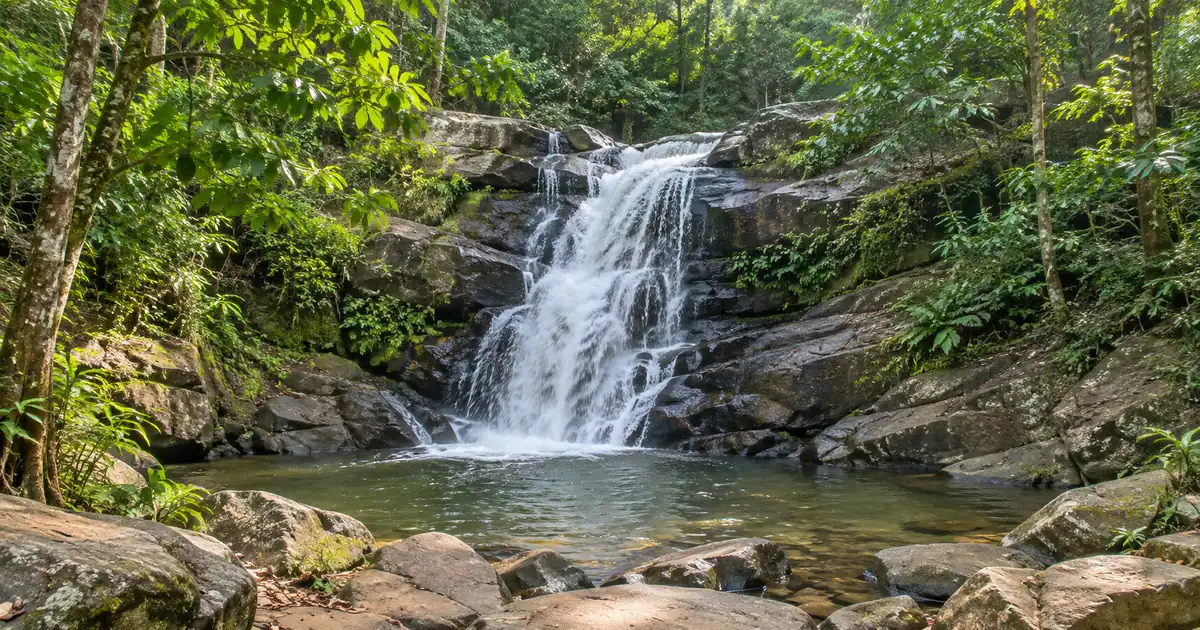
Putudi Waterfall Kandhamal stands among the most dramatic wilderness cascades in central Odisha. Situated about fifteen kilometers north of Phulbani in the Eastern Ghats hills, this powerful sixty-foot waterfall tumbles into a granite forest gorge on the bada salanki river. The destination is a key highlight in our Kandhamal district travel guide.
Travelers visit this secluded sanctuary to witness roaring torrents, dense sal woodlands, and rugged mountain landscapes. For visitors scheduling a quick day trip from Phulbani or a broader hill itinerary featured in the full list of waterfalls in Odisha, Putudi offers an authentic nature experience.
Key Takeaways
- Powerful Forest Cascade: Drops approximately twenty meters (sixty feet) over massive granite rock cliffs.
- Thunderous Valley Acoustics: The intense volume of the rushing Salunki river echoes across adjacent wooded ridges.
- Dense Sal Forest Canopy: Surrounded by unfragmented reserve forests rich in indigenous flora and native wildlife.
- Winter Picnic Retreat: Clearings along the upper riverbanks attract family groups and nature photographers from October to March.
- Proximity to Phulbani: Located fifteen kilometers from the district headquarters via rural paved roads and forest tracks.
Putudi Waterfall at a Glance: Key Metrics and Visiting Snapshot
Planning an excursion to Putudi requires modest preparation because the final stretch winds through unpaved forest tracts. The site brings together raw river power and tranquil woodland beauty, making it beloved by outdoor enthusiasts.
Travelers frequently refer to this attraction as putudi waterfall phulbani when organizing transport. As one of the prime kandhamal tourist places, it welcomes vacationers seeking off-the-beaten-path destinations.
| Feature | Verified Information | Practical Traveler Advice |
|---|---|---|
| Drop Height | 18–20 meters (approx. 60 feet) | Plunges into deep granite gorge |
| River Basin | Bada Salanki River (Salunki) | Major perennial mountain waterway |
| Distance from Phulbani | 15 km north of town center | 35 minutes via rural roadway |
| Visiting Timings | 7:00 AM to 5:30 PM | Open daily during daylight hours |
| Admission Fee | Free entry for all travelers | Nominal local parking charges |
| Nearest Railway | Rairakhol Railway Station (RAIR) | 100 km north via direct highway |
| Secondary Railway | Berhampur Railway Station (BAM) | 165 km southeast via Kalinga Ghat |
| Nearby Hill Station | Daringbadi Plateau | 125 km southwest via highway |
The mountain air remains pleasantly crisp throughout the winter months, offering comfortable conditions for walking along the rocky riverbanks.
Geological Formations and the Roaring Bada Salanki River
The defining physical feature of Putudi is the intense force with which the river cuts through the Eastern Ghats escarpment. Formed as a salunki river waterfall, the stream collects runoff from high-altitude plateaus across central Kandhamal.
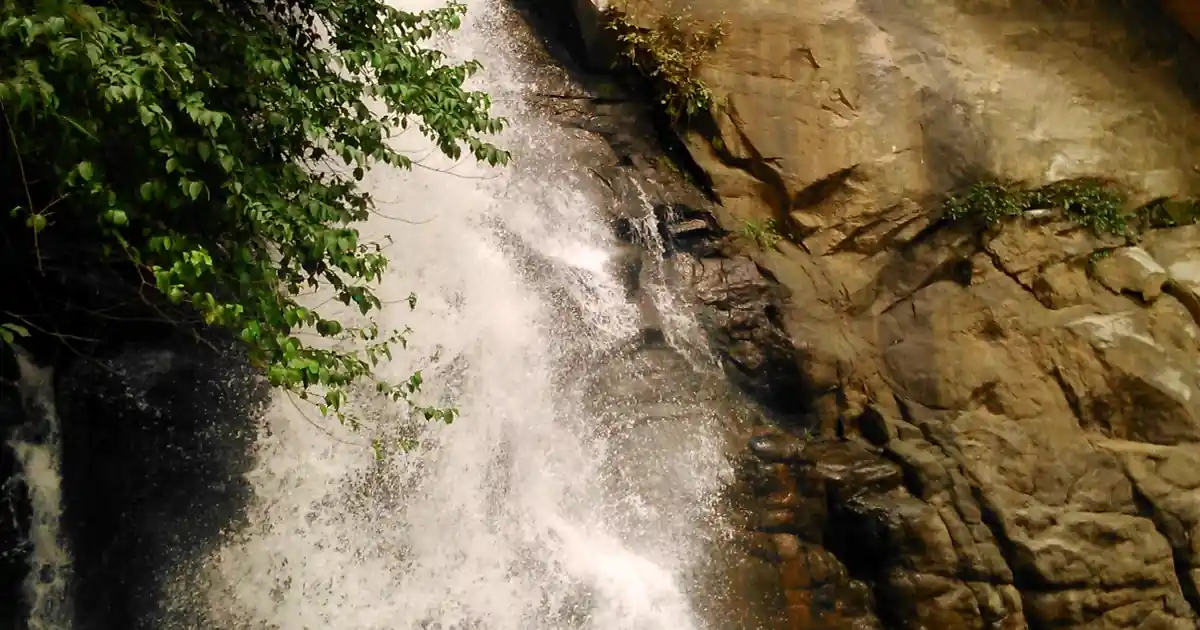
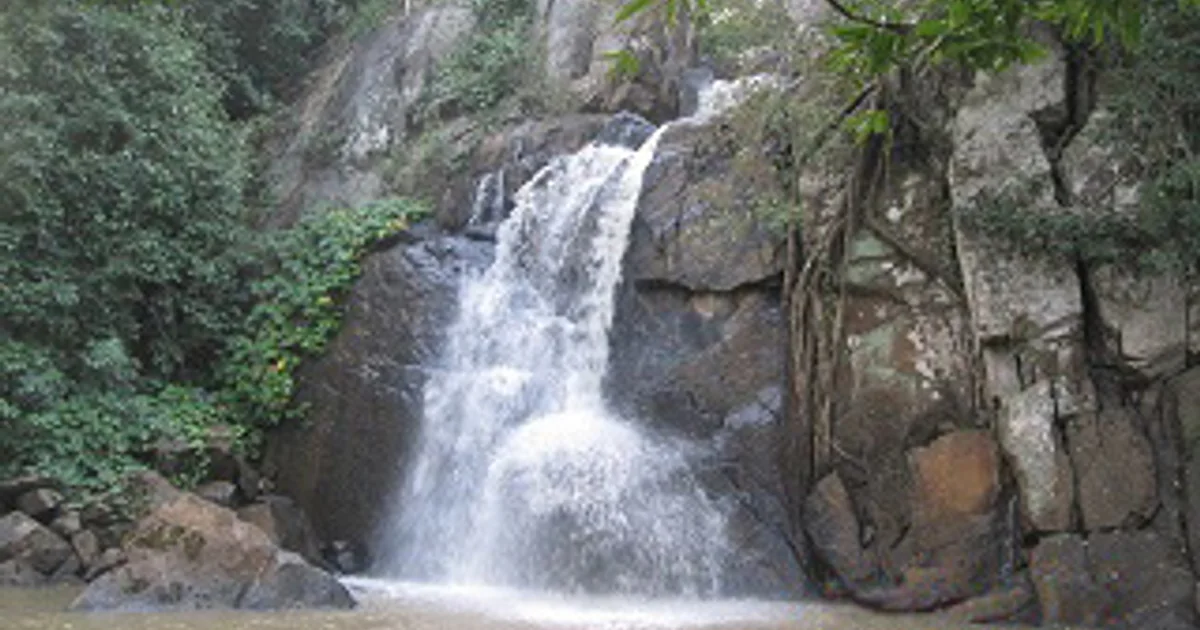
Upon reaching the gorge at Putudi, the river constricts into a narrow granite channel before plunging twenty meters down a vertical rock face. The sheer volume creates a roaring sound that reverberates through the valley long before the water comes into view.
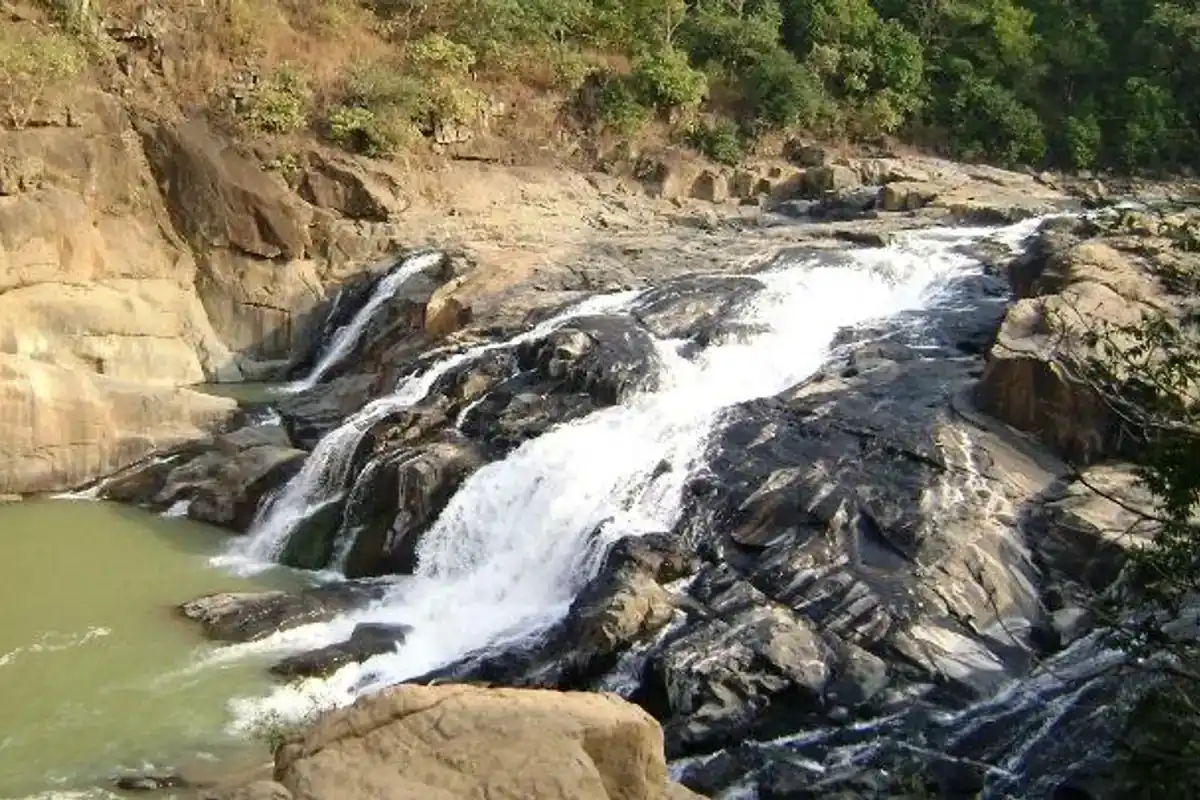
Below the drop, the churning water forms a deep natural pool flanked by massive water-worn boulders. The dark granite rocks around the basin show intricate ripples sculpted by centuries of seasonal water erosion.
Because the Salunki maintains substantial volume through underground hill springs, the waterfall remains active across every season. Even in late winter, the cascade maintains an impressive rush that delights visitors.
Dense Sal Forest Canopy and Wildlife on the Hill Slopes
The forest surrounding Putudi belongs to the northern tropical moist deciduous zone. Towering sal (Shorea robusta), piasal, kurum, and wild bamboo groves blanket the gorge, providing dense shade along walking trails.
This dense sal forest canopy serves as an undisturbed sanctuary for diverse regional bird species. Birdwatchers regularly spot Malabar pied hornbills, crested serpent eagles, Asian paradise flycatchers, and jungle babblers among the tree crowns.
Small mammals including Indian giant squirrels, barking deer, and civets inhabit the quieter hillside zones. Travelers occasionally encounter fresh tracks of leopards or wild boars that visit the upper river pools at night.
Visitors are advised to stay on marked footpaths and avoid disturbing thick forest undergrowth. Keeping group noise low allows travelers to appreciate natural woodland sounds and spot resident wildlife.
Picnic Recreation, Riverside Clearings, and Visiting Timings
Between November and February, Putudi transforms into a favored phulbani picnic spot. Extended families and student groups travel from surrounding towns to spend full days cooking meals in open shaded clearings near the river.
The local tourism authority has constructed concrete steps leading from the plateau road down toward the splash pool. These steps provide easier footing across steep hillside terrain.
| Time Slot | Recommended Activity | Visiting Environment |
|---|---|---|
| 07:00 AM – 10:00 AM | Birdwatching & misty gorge photography | Cool morning air, quiet atmosphere |
| 10:00 AM – 02:00 PM | Riverside picnics & leisure strolls | Shaded forest clearings along the bank |
| 02:00 PM – 04:30 PM | Cascade viewing & trail walking | Pleasant golden afternoon light |
| 04:30 PM – 05:30 PM | Pack up & departure | Daylight fades; gates close by 5:30 PM |
Adhering to putudi waterfall timings is essential for travel safety. The site closes at 5:30 PM, ensuring travelers navigate the rural forest track back toward Phulbani before darkness. For further leisure ideas across the state, see our curated guide to picnic spots in Odisha.
Seasonal River Flow: When to Plan Your Putudi Excursion
The visual character and accessibility of Putudi Waterfall vary noticeably across different months of the year.
| Season | Water Volume & Climate | Travel Feasibility |
|---|---|---|
| Winter (Oct to Feb) | Clear strong cascade, 12°C–25°C | Best period for family picnics, walking, and photography |
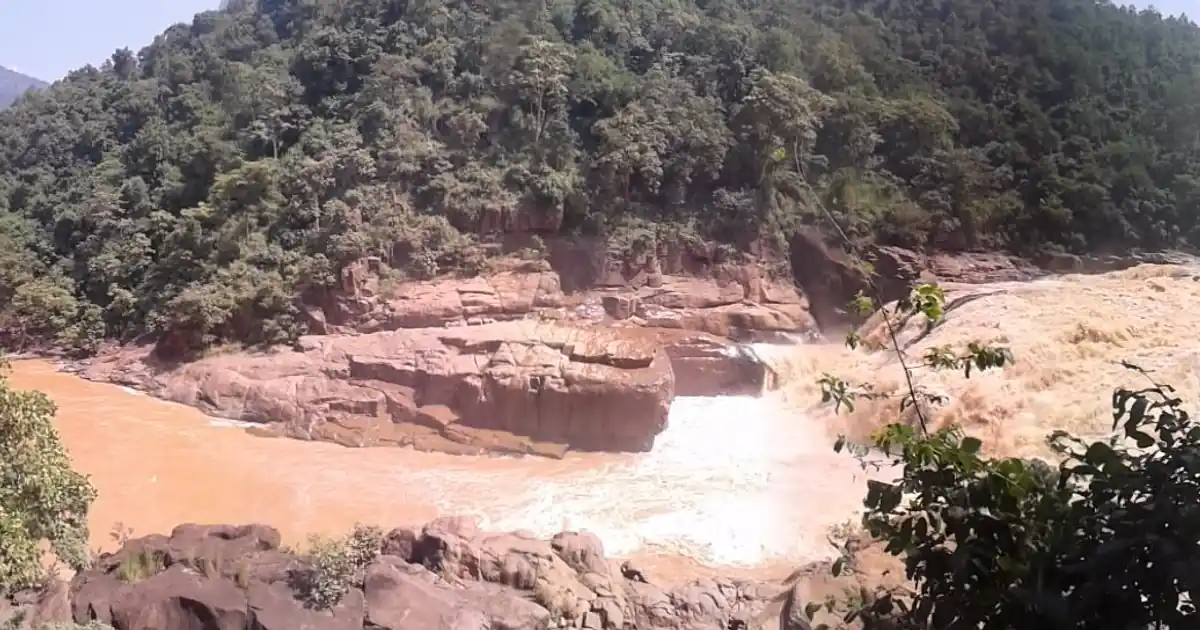
| Monsoon (Jul to Sep) | Violent muddy deluge, 22°C–30°C | Dramatic power; steps and rocks can be extremely slick |
| Summer (Mar to Jun) | Moderate clear stream, 26°C–40°C | Morning visits recommended; afternoon heat can be intense |
The post-monsoon and winter season from October to February represents the optimal window for exploring Putudi. Pleasant temperatures and steady river currents create ideal conditions for outdoor recreation.
During the monsoon months from July to September, heavy rains transform the Salunki into a violent torrent. While the visual spectacle is remarkable, travelers must exercise caution on wet steps and avoid getting close to the gorge lip.
How to Reach Putudi from Phulbani, Daringbadi, and Bhubaneswar
Planning how to reach putudi waterfall from phulbani requires understanding the rural roadway conditions. The phulbani to putudi distance is fifteen kilometers, with the journey taking approximately thirty-five minutes by car.
| Travel Segment | Distance | Typical Duration | Travel Corridor |
|---|---|---|---|
| Phulbani Town Center | 15 km | 35 minutes | Rural paved road with forest trail section |
| Daringbadi Hill Station | 125 km | 3 hours 30 minutes | Via Baliguda and district highway |
| Boudh Town Headquarters | 70 km | 1 hour 45 minutes | Via NH-157 northbound across valleys |
| Berhampur Rail Junction | 165 km | 4 hours 15 minutes | Via Kalinga Ghat and Bhanjanagar |
| Bhubaneswar Capital | 215 km | 5 hours | Via NH-57 through Nayagarh and Baunsuni |
Transit by Private Vehicle or Hired Auto
Hiring a private car or auto-rickshaw from Phulbani is the most practical transit method. The final two kilometers involve a gravel forest road, so vehicles with adequate ground clearance are recommended.
Rail and Bus Connections
Phulbani connects with major cities via frequent state transport buses. Travelers arriving by train can disembark at Rairakhol Railway Station (RAIR, 100 km) or Berhampur Railway Station (BAM, 165 km) before catching highway buses. Official regional transit advisories are available on the Odisha State Portal and the Odisha Tourism Portal.
Nearby Tourism Highlights in the Kandhamal Hill Circuit
A journey to Putudi combines naturally with other cultural and nature destinations throughout Kandhamal district.
Daringbadi Hill Station
Located 125 kilometers southwest, Daringbadi hill station features pine woods, coffee estates, and winter frost. When planning a broader journey, travelers often chart a route connecting daringbadi to putudi waterfall across two days.
Lovers Point and Dadubada
Situated near Daringbadi, the scenic river rock pools at Lovers Point Dadubada provide gentle cascades and family walking paths.
Ludu Waterfall and Katramala
Nature enthusiasts exploring remote waterfalls can review putudi vs ludu waterfall. Ludu is located deep inside Kotgarh sanctuary and requires rugged trekking, while Putudi offers simpler road access. Similarly, in comparing putudi vs katramala, Katramala features friendly river fish while Putudi offers a much taller sixty-foot drop.
Historic Boudh Heritage Shrines
Crossing north into the neighboring district allows travelers to tour ancient river temples featured in our Boudh district travel guide.
Essential Safety Guidelines and Gorge Etiquette
- Footwear Selection: Wear walking shoes with deep rubber tread because of slippery rocks near gorge steps and river runoff zones.
- Strict Swimming Warning: Never attempt swimming in the deep plunge pool beneath the falls, where strong currents and submerged rocks pose severe hazards.
- Forest Track Driving: Drive slowly over the final gravel forest stretch, especially when operating small passenger cars.
- Daylight Scheduling: Begin your return drive before 5:00 PM so that you exit forest roads well before dusk.
- No Plastic Litter: Carry all lunch leftovers, plastic bags, and beverage containers back to Phulbani town waste bins.
- Cash and Supplies: Local kiosks near the falls only sell tea and light snacks. Carry bottled water and sufficient cash for parking fees.
Frequently Asked Questions
What is Putudi Waterfall famous for in Kandhamal?
Putudi Waterfall is famous for its sixty-foot plunge on the Bada Salanki River, creating a thunderous acoustic roar that echoes through the surrounding Eastern Ghats sal forests. It is one of Kandhamal’s primary eco-tourism and family picnic destinations.
How far is Putudi Waterfall from Phulbani?
Putudi Waterfall is located fifteen kilometers north of Phulbani town center. The drive takes approximately thirty-five minutes by private car, taxi, or auto-rickshaw via rural paved roads and forest tracks.
Can visitors swim at Putudi Waterfall?
No, swimming in the deep plunge pool at Putudi is strictly discouraged due to dangerous underwater currents, hidden rock shelves, and steep basin depths. Visitors should only paddle carefully in designated shallow runoff channels.
What are the visiting hours of Putudi Waterfall?
The waterfall is open to visitors daily from 7:00 AM to 5:30 PM. Travelers are advised to plan their arrival before 3:00 PM and depart before dusk for safe driving through forest trails.
Is there an entry ticket for Putudi Waterfall?
Admission to Putudi Waterfall is completely free for all travelers. A small parking charge may be collected by local village development volunteers to maintain parking clearings and trail safety.
What is the best time of year to visit Putudi Waterfall?
The best time to visit Putudi is during the cool winter season from October to February when water flows steadily and temperatures are mild. Clear sunny days make this period ideal for family picnics and nature walks.