Daringbadi Coffee Gardens: Best Time, Tour & Guide
Explore the scenic Coffee Gardens in Daringbadi, Kandhamal. Discover Arabica coffee walks, black pepper vines, entry fees, timings, and shopping tips.
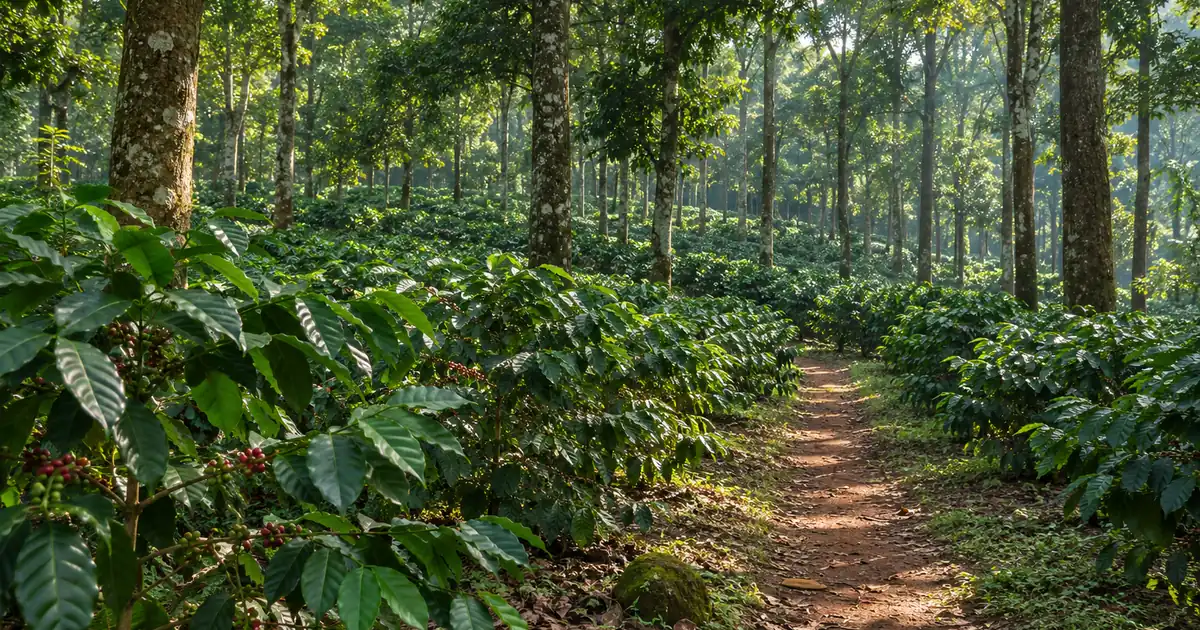
High in the mist-shrouded plateau of Kandhamal, the coffee gardens Daringbadi Kandhamal provide one of the most delightful highland agro-tourism experiences in eastern India. As explored in our complete Daringbadi hill station guide, this tranquil garden combines agricultural heritage with pleasant mountain walks under tall shade canopies.
Managed directly by the Soil Conservation and Watershed Development Department, the estate spreads over forty-five hectares of sloping terrain at an altitude of 915 meters above sea level. Visitors stroll along manicured earthen trails bordered by dark green Arabica coffee bushes and tall silver oak trees wrapped in climbing black pepper vines.
Key Takeaways
- Location & Setting: Situated just two kilometers from Daringbadi bus stand along Hill View Road in Kandhamal district.
- Agricultural Highlights: High-altitude shade-grown Arabica coffee cultivated alongside aromatic black pepper and silver oak trees.
- Visiting Experience: Guided garden walks, photography among blossoming coffee plants, and purchasing fresh plantation products.
- Best Season: November to February offers cool winter mornings, red coffee berry harvesting, and crisp mountain air.
- Entry Logistics: Nominal entry ticket of INR 20 per visitor; open daily from 8:00 AM to 5:30 PM.
Quick Facts & Plantation Information
The summary table below outlines key visitor specifications for planning a walk through the coffee gardens.
| Feature | Plantation Specification |
|---|---|
| Location | Hill View Road, Daringbadi, Kandhamal District, Odisha |
| Geographic Coordinates | 19.9075° N, 84.1292° E |
| Altitude | 915 meters (3,000 feet) above sea level |
| Total Estate Area | Approximately 45 hectares |
| Managing Authority | Soil Conservation Department, Government of Odisha |
| Distance from Town Center | 2 km (5 minutes by auto-rickshaw or taxi) |
| Distance from Phulbani | 125 km (3 hours via Kalinga Ghat and G. Udayagiri) |
| Distance from Berhampur | 120 km (3 hours 15 minutes via Sorada and Suramani) |
| Distance from Bhubaneswar | 250 km (5 hours 30 minutes via Nayagarh) |
| Opening Hours | 8:00 AM to 5:30 PM (daily throughout the year) |
| Entry Fee | INR 20 per adult, free for children under 5 years |
| Ideal Visit Duration | 1 to 2 hours for walking and photography |
Overview: High-Altitude Arabica on the Odisha Plateau
While commercial coffee farming in India is traditionally associated with the Western Ghats of Karnataka and Kerala, Odisha has developed celebrated highland coffee pockets of its own. As outlined in our Kandhamal district travel guide, the combination of red lateritic soil, sub-tropical mountain climate, and reliable southwest monsoon rains creates ideal conditions for premium Arabica beans.
When exploring the top places to visit in daringbadi, the estate ranks alongside the pine forest for peaceful morning strolls. In comparing the daringbadi coffee garden vs koraput coffee garden, Daringbadi provides compact garden trails managed by soil conservation officers, while the highland organic coffee farms of Koraput district span vast commercial tribal hills.
Official district administrative updates and departmental initiatives are documented on the Kandhamal District Portal. Statewide travel advisories and tourism circuits are published via the Odisha Tourism Portal. Planning a road trip from bhubaneswar to daringbadi coffee garden takes under six hours along National Highway 57 through Nayagarh.
The Daringbadi plantation was initiated in the 1970s as a conservation experiment to check soil erosion on steep deforested hillsides. Over subsequent decades, the project expanded into a model agro-tourism destination that generates seasonal employment for tribal farm workers while welcoming thousands of travelers each year.
| Cultivation Layer | Plant Species | Primary Ecological Function |
|---|---|---|
| Overstory Canopy | Silver Oak (Grevillea robusta) | Filters direct harsh sunlight and supplies natural leaf mulch |
| Mid-Canopy Vine | Black Pepper (Piper nigrum) | Vines climb tree trunks, maximizing vertical agricultural yield |
| Understory Bush | Arabica Coffee (Coffea arabica) | Dense evergreen shrubs protect topsoil from monsoon water erosion |
Walking through the plantation gates, visitors immediately notice the drop in ambient temperature beneath the dense double-canopy forest.
Cultivation Story: Shade Trees, Black Pepper, and Soil Health
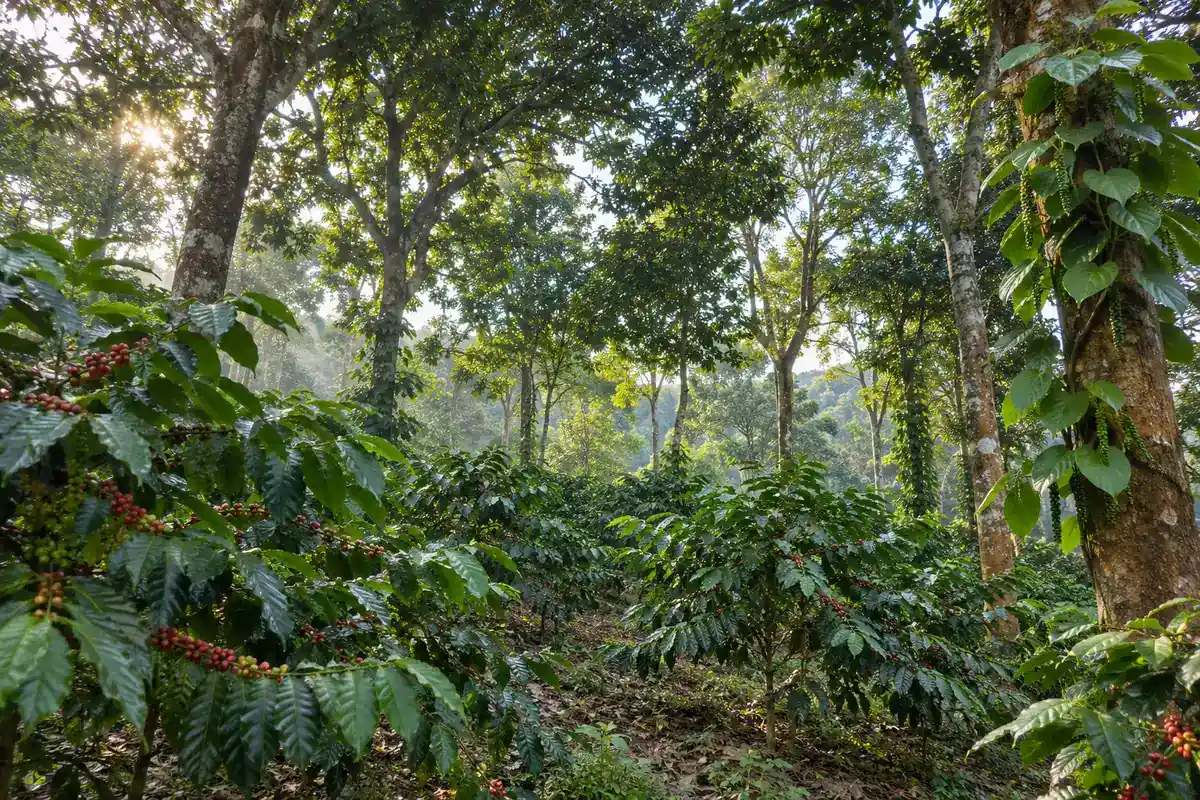
The agricultural method practiced at Daringbadi relies on organic multi-tier cropping, which avoids synthetic chemicals and protects native wildlife.
The Two-Tier Eco-Canopy
Arabica coffee bushes require filtered shade to produce dense, flavorful beans with balanced acidity. To create this environment, foresters planted rows of Australian silver oak trees.
These tall, straight trees not only moderate sunlight but also serve as living wooden poles for black pepper vines. Each silver oak trunk is wrapped in twisting dark-green pepper runners that bear clusters of peppercorns.
Soil Protection and Biodiversity
Kandhamal receives heavy monsoon downpours between June and September that can easily wash away fertile hillside topsoil. The extensive fibrous root networks of coffee bushes bind the red loam securely to the rocky slopes.
Decaying silver oak leaves form a thick organic carpet on the plantation floor, conserving moisture during dry winter months. The undisturbed canopy provides secure nesting territory for woodpeckers, sunbirds, flycatchers, and giant forest butterflies.
Visitor Experience: Plantation Trails and Coffee Shopping
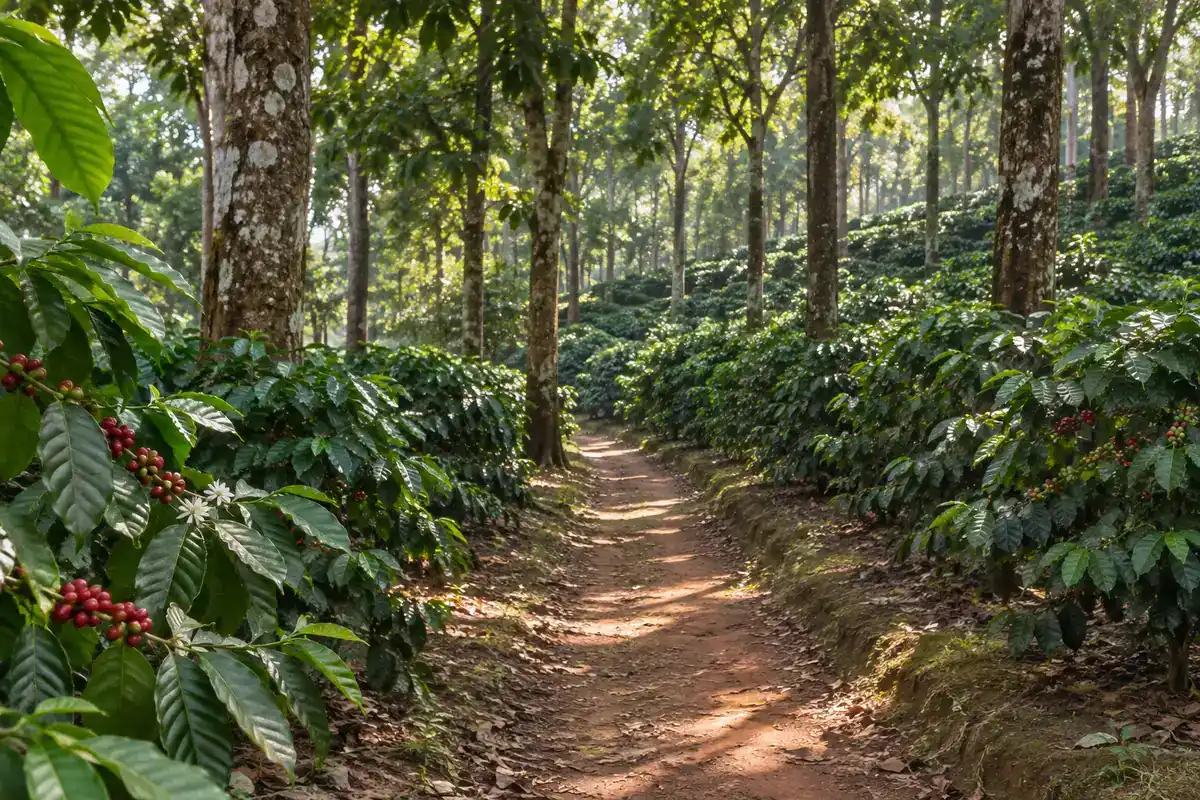
Visiting the Daringbadi coffee estate is an easy, relaxing outdoor activity suitable for all family members.
Walking the Shaded Avenues
Well-maintained red dirt pathways bisect the forty-five-hectare property. Benches crafted from fallen logs are placed at scenic intervals where travelers can sit and listen to mountain birds.
Department staff members and knowledgeable local guides are often available near the entrance to explain the coffee production lifecycle. Visitors learn how white fragrant flowers turn into green berries, ripen into bright red coffee cherries, and are hand-harvested by local tribal women.
Shopping for Authentic Souvenirs
Near the ticket counter, the department operates a small retail outlet where tourists can purchase authentic Kandhamal agricultural products directly from the source:
- Daringbadi Ground Arabica Coffee: Freshly roasted and packaged powder with a smooth, chocolatey aroma.
- Whole Black Peppercorns: Hand-harvested, sun-dried peppercorns with intense pungency.
- Organic Kandhamal Haldi: Certified organic turmeric celebrated across India for high natural curcumin levels.
- Wild Forest Honey: Pure raw honey collected by tribal foragers from forest rock bee colonies.
Buying directly from this outlet guarantees genuine quality while channeling revenue back into plantation maintenance.
Best Time to Visit: Blossom and Harvesting Seasons
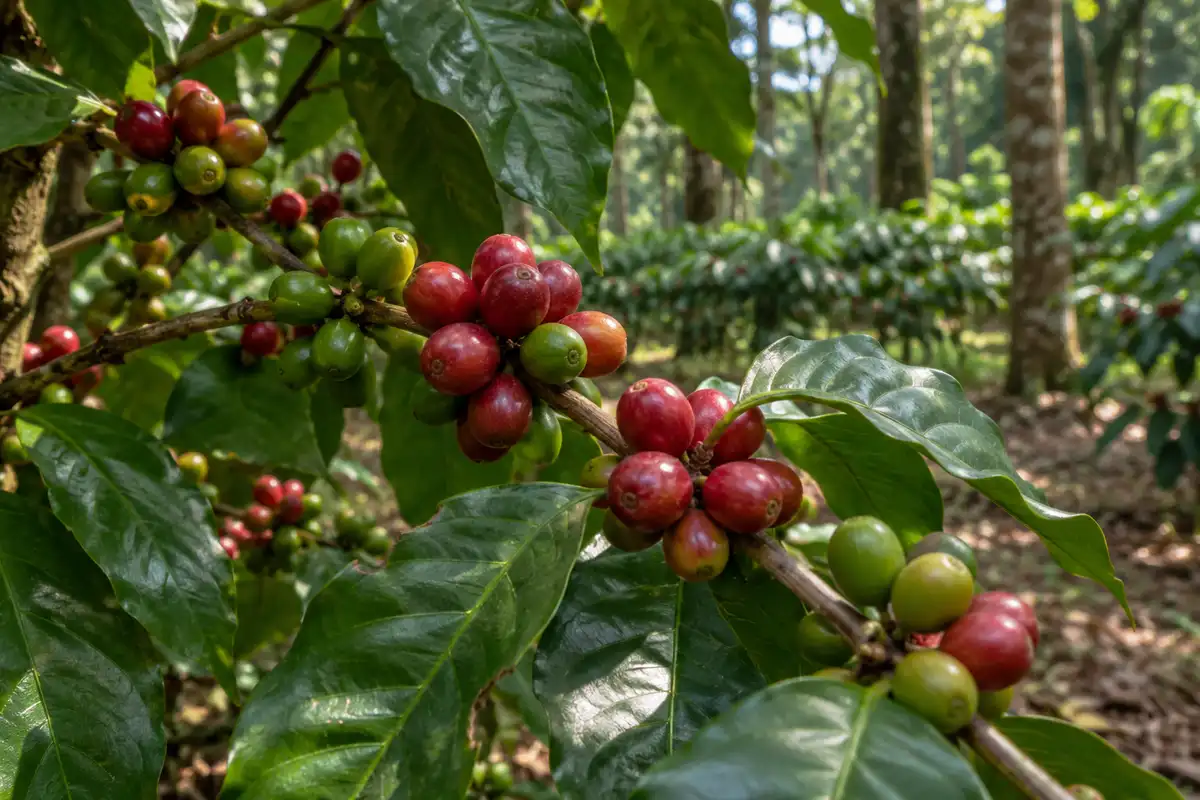
While the gardens remain open year-round, timing your visit enhances the sensory experience.
| Season | Calendar Months | Temperature Range | Garden Highlights |
|---|---|---|---|
| Winter (Harvest) | November to February | 7°C to 24°C | Coffee cherries turn bright crimson; active berry harvesting; crisp walking weather. |
| Spring (Blossom) | March to April | 18°C to 32°C | Clusters of white jasmine-like coffee blossoms perfume the entire plantation. |
| Monsoon | June to September | 20°C to 28°C | Heavy rain washes the canopy brilliant green; walking paths require umbrella and boots. |
The winter period from November through February remains the most popular travel window. During December and January, morning frost occasionally dusts the garden meadows when nighttime temperatures plunge near freezing.
Spring offers a brief two-week spectacle following early showers when thousands of white coffee blossoms open simultaneously, filling the valley with a sweet, delicate fragrance.
How to Reach Daringbadi Coffee Gardens
The coffee garden is centrally positioned along Hill View Road on the northern ridge of Daringbadi town.
Transit from Daringbadi Town
The entrance gate is located two kilometers from the main Daringbadi bus junction. The daringbadi bus stand to coffee garden distance is just two kilometers, making it easy to reach via a quick five-minute ride in a local auto-rickshaw or an energetic morning walk.
Driving Routes to Daringbadi
- From Berhampur (120 km): The fastest highway connection follows the berhampur to daringbadi route along State Highway 7 through Sorada, climbing the winding Daringbadi Ghat in roughly three hours.
- From Bhubaneswar (250 km): Drive west along National Highway 57 toward Nayagarh and Dasapalla, then ascend through the scenic Kalinga Ghat via G. Udayagiri (5.5 hours).
- From Phulbani (125 km): Travel south through Balliguda or G. Udayagiri along paved hill roads.
Private taxis, tourist buses, and shared jeeps operate daily between Berhampur new bus stand and Daringbadi.
Garden Guidelines, Visiting Etiquette, and Timings
To preserve the health of the plants and maintain a peaceful atmosphere, visitors should observe standard garden etiquette. The official daringbadi coffee garden entry fee is twenty rupees per adult, and general daringbadi coffee garden rules prohibit picking fruits or straying off marked trails. Commercial shooting or drone usage requires a designated daringbadi garden camera permit issued by local forest officers.
[!WARNING] Do not pluck green or ripe coffee cherries, pepper clusters, or tree branches. Damaging fruiting nodes reduces the crop yield for subsequent seasons.
Visitor Recommendations
- Opening Timings: Open from 8:00 AM to 5:30 PM daily. Early morning hours between 8:00 AM and 10:00 AM offer the most pleasant light for photography.
- Footwear: Wear closed sneakers or flat walking sandals suitable for unpaved dirt trails.
- Litter Prevention: Carry all water bottles and snack packets back to the gate disposal bins; do not leave trash between coffee bushes.
- Quiet Atmosphere: Keep conversations at respectful volumes to enjoy natural birdsong and forest tranquility.
Nearby Attractions on the Daringbadi Circuit
The coffee gardens serve as an ideal starting point for a broader tour of the hill station’s key sights. When evaluating the daringbadi coffee garden vs pine forest daringbadi, both spots sit within five minutes of each other and complement any morning hill station schedule.
Lovers Point Dadubada
Located twelve kilometers south of the coffee garden, the riverside rock pools at Lovers Point Dadubada feature smooth granite boulders carved by a rushing mountain stream surrounded by dense forest.
Midubanda Waterfall
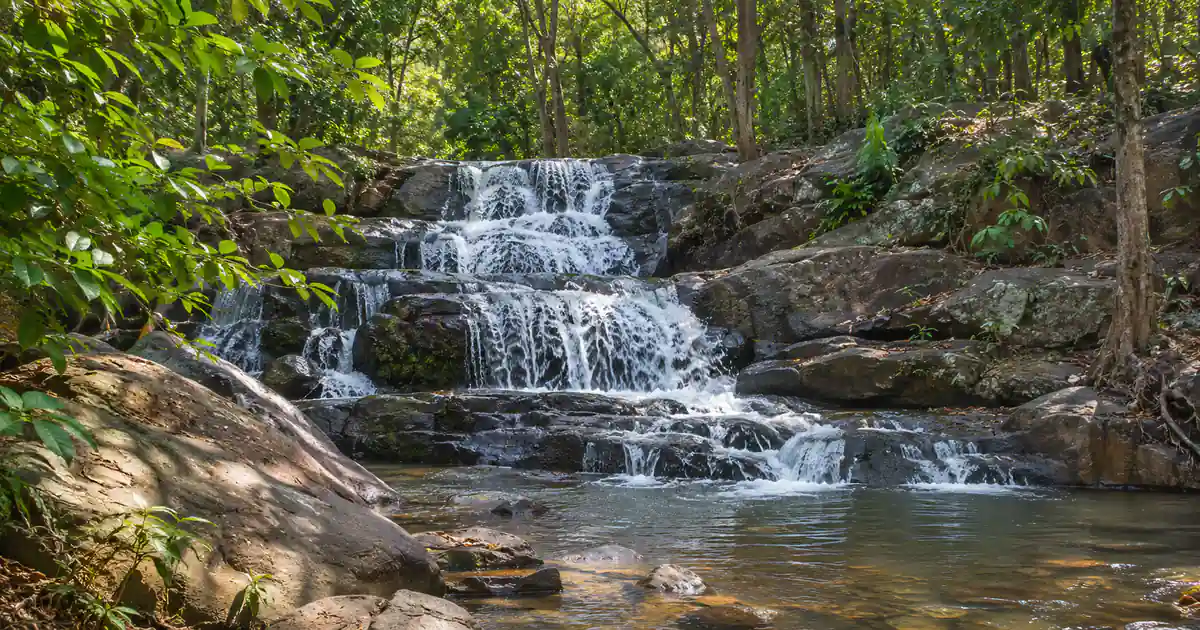
Situated fourteen kilometers southeast near Kirikuti village, the forest cascade at Midubanda Waterfall plunges down steep rock steps into a cool, shaded splash basin.
Mandasaru Gorge and Silent Valley
Travelers with extra time can drive thirty-five kilometers east to marvel at the deep canyon views from canyon views from Mandasaru Nature Camp and the dramatic gorge plunge at Pisogrundu Waterfall.
Within Daringbadi town, you can also easily visit Hill View Park, the Pine Forest, and the Butterfly Park, all located within a short five-minute drive from the coffee estate.
Frequently Asked Questions About Daringbadi Coffee Gardens
Where are the Coffee Gardens located in Daringbadi?
The Coffee Gardens are located along Hill View Road in Daringbadi town, Kandhamal district. The entrance gate sits approximately two kilometers north of the main Daringbadi bus stand.
What are the opening hours and entry charges for Daringbadi Coffee Garden?
The plantation grounds are open to visitors daily from 8:00 AM to 5:30 PM throughout the year. Admission costs INR 20 per adult, while entry is free for young children.
What varieties of crops are grown inside the Daringbadi Coffee Estate?
The estate cultivates shade-grown Arabica coffee alongside black pepper vines trained on tall silver oak trees. The surrounding slopes also feature experimental plots of organic turmeric and ginger.
Can visitors purchase freshly ground coffee at the garden?
Yes, the Soil Conservation Department operates an official retail sales counter near the entrance where packaged ground Arabica coffee is sold. Tourists can also buy whole black peppercorns and organic Kandhamal turmeric.
What is the best month to see ripe coffee berries in Daringbadi?
The best months to see bright red coffee berries are December, January, and early February during the annual harvest season. Visiting during March or April reveals white coffee blossoms that perfume the plantation.
How much time should travelers spend exploring the Coffee Gardens?
Most visitors spend between one and two hours walking along the shaded paths and taking photographs among the coffee bushes. It is an easy, relaxing stop that pairs well with morning visits to the nearby Pine Forest.