Deulajhari Hot Spring Angul: Timings, Shiva Temple & Travel Guide
Plan your trip to Deulajhari Hot Spring in Angul, Odisha. Explore 24 sulfur kunds, Baba Siddheswar Shiva Temple, water temperature, timings, and routes.
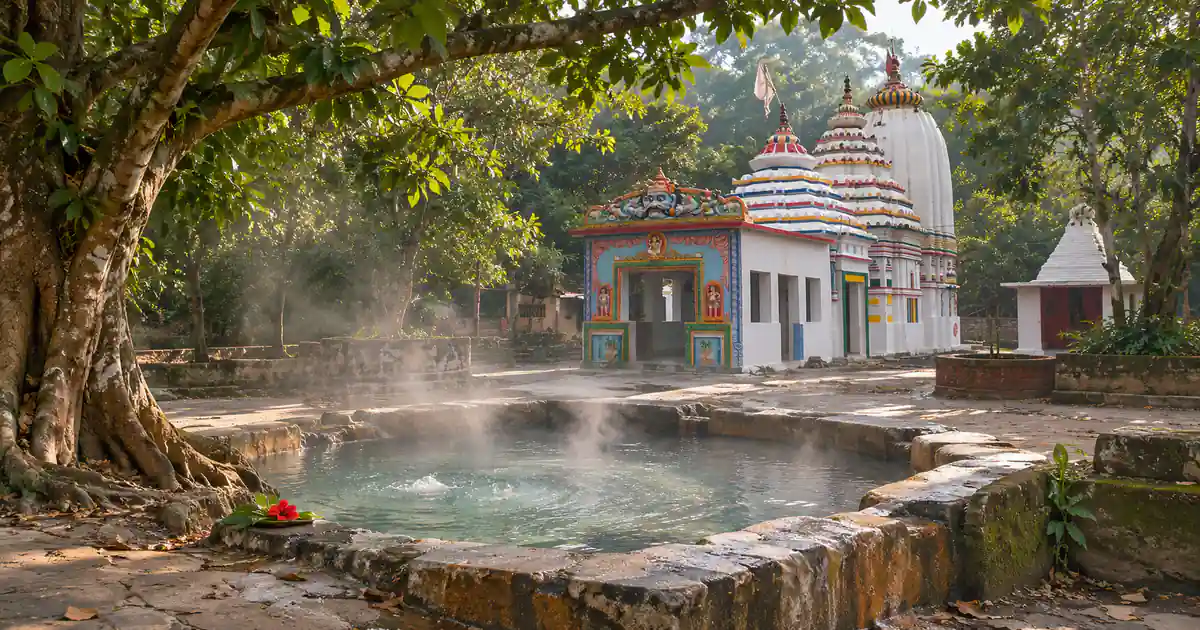
Deulajhari Hot Spring in Angul district represents one of the most remarkable geothermal sanctuaries and sacred pilgrimage centers in central Odisha. Situated in the rural landscape of Athmallik block, approximately ninety kilometers west of Angul town, this ancient geothermal complex discharges mineral-rich sulfur water from twenty-four subterranean fissures into sacred stone masonry tanks.
Surrounded by dense sal forests and indigenous banyan trees, the springs create an unusual natural microclimate where bubbling hot pools stand alongside naturally chilled mountain reservoirs.
At the spiritual center of the sacred grove stands the historic Baba Siddheswar Temple, an ancient Shaivite shrine dedicated to Lord Shiva that has welcomed pilgrims and wellness seekers for centuries. The entire religious sanctuary and surrounding geothermal reservoirs are protected and maintained under the administrative oversight of local servitor committees alongside the Angul District Administration and regional eco-heritage bodies through Odisha Tourism.
Key Takeaways
- Geographic Location: Situated near Athmallik in Angul district, roughly 90 kilometers west of Angul town and 160 kilometers northwest of Bhubaneswar.
- Hydrological Wonder: Houses twenty-four distinct sulfur spring vents, with primary reservoirs like Agni Kund discharging boiling thermal waters up to 66°C.
- Spiritual Sanctuary: Centered around the medieval Baba Siddheswar Shiva Temple, surrounded by shrines dedicated to Maa Maheswari, Kedareswar, and Khambeswari.
- Therapeutic Bathing: Regulated bathing cubicles provide access to mineral-rich waters long revered for treating chronic skin ailments, arthritis, and joint stiffness.
- Travel Logistics: Easily accessible by road via National Highway 55 and State Highway 63, with the nearest major rail connection situated at Boinda station 35 kilometers away.
Deulajhari Hot Spring at a Glance: Timings, Location & Water Temperature
Deulajhari functions simultaneously as a revered Shaivite tirtha and a geological wonder. The subterranean geothermal system feeds dozens of interconnected fissures, sending columns of sulfurous steam drifting through the canopy of surrounding banyan trees and date palms. The setting offers visitors an authentic rural retreat where spiritual devotions seamlessly blend with the soothing warmth of natural thermal vents.
The following master reference table outlines the foundational geographic coordinates, hydrological specifications, and visiting hours for planning your trip to Athmallik:
| Metric / Parameter | Visitor Information |
|---|---|
| Site Name | Deulajhari Geothermal Springs & Baba Siddheswar Complex |
| Administrative Territory | Athmallik Block, Angul District, Odisha |
| Geographic Coordinates | 20.7500° N, 84.5800° E |
| Source Water Temperature | 43°C to 66°C (109°F to 151°F) across varied vents |
| Complex Visiting Hours | 5:30 AM to 6:30 PM (Open daily throughout the year) |
| Baba Siddheswar Darshan | 6:00 AM to 12:30 PM and 3:30 PM to 6:30 PM |
| Bathing Complex Fee | Free public viewing; nominal token ₹5 for maintenance |
| Nearest Railhead | Boinda Railway Station (BONA, 35 km) |
| Primary Highway Route | NH 55 connecting to SH 63 at Boinda |
| Recommended Visit Duration | 2 to 3 hours for temple rituals and thermal bathing |
Core Site Information and Administrative Profile
Deulajhari is situated in the southwestern quadrant of the Angul district travel guide territory. The spring complex lies approximately six kilometers from Athmallik subdivision headquarters, surrounded by undulating agrarian fields and forested hillocks that form part of the central Mahanadi River basin.
The site is maintained through collaborative efforts between hereditary servitors of the Siddheswar trust and district civic engineers. Concrete footpaths, protective stainless steel railings around high-temperature fissures, shaded resting pavilions, and masonry bathing cubicles ensure that pilgrims can explore the geothermal features safely.
Key Highlights of the Athmallik Geothermal Belt
The geology of Athmallik represents a rare tectonic fracture zone in the Eastern Ghats belt where subterranean artesian waters percolate deep into granite crustal layers before resurfacing under immense pressure. Dissolved minerals, notably sulfur, silica, and calcium carbonate, lend the steaming water a mild therapeutic aroma that permeates the grove.
Unlike commercial spa complexes, Deulajhari preserves an untouched, rustic charm. Tall indigenous trees shade the perimeter of every masonry kund, creating a peaceful environment where the chirping of forest birds mingles with temple bell chimes.
Sacred Kunds, Geothermal Springs & Healing Properties
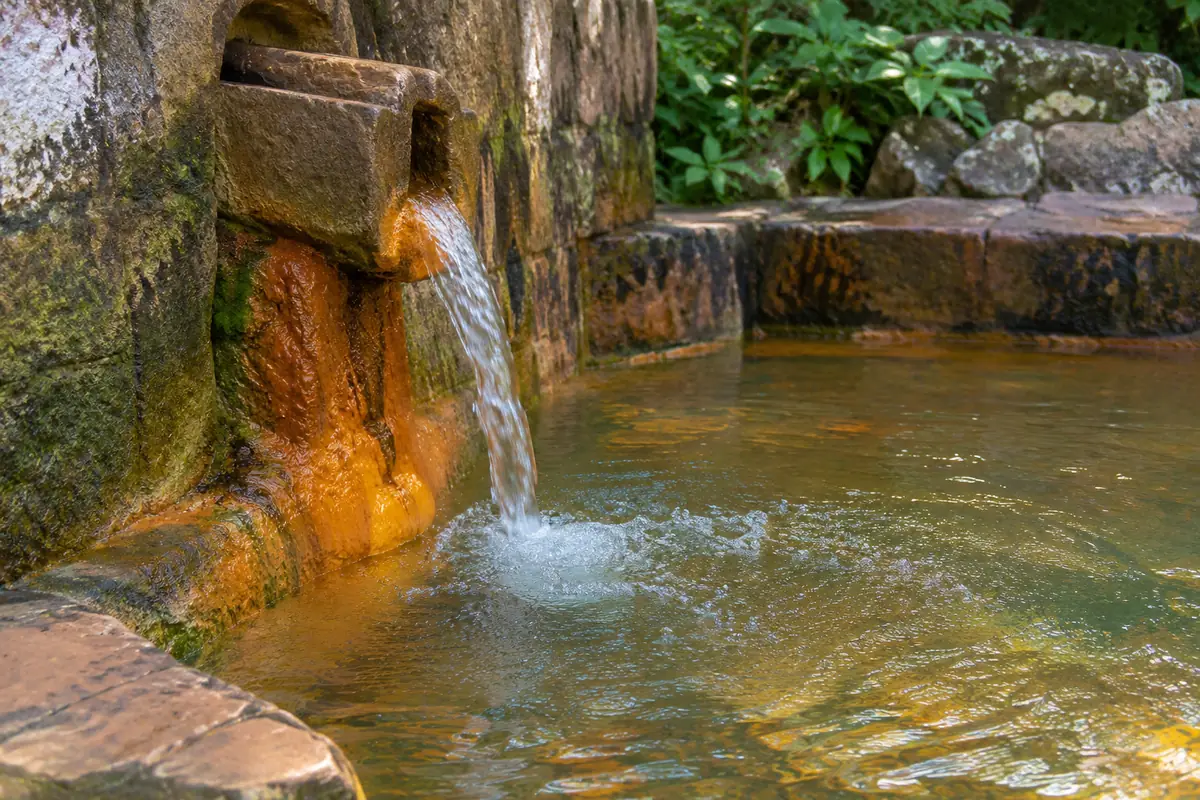
The hallmark feature of Deulajhari is its cluster of twenty-four sacred water reservoirs, traditionally known as kunds. Each reservoir exhibits distinct thermal characteristics, ranging from pleasantly tepid water suitable for ritual ablutions to boiling fissures that actively bubble and emit visible plumes of white vapor into the morning air.
The Prominent Kunds: Agni, Brahma, and Himani
Among the twenty-four spring reservoirs in the compound, four principal kunds capture significant scientific and religious attention. The most powerful geothermal vent is Agni Kund, meaning the pool of fire. Thermal water bubbles upward from deep subterranean crevices into this stone tank at temperatures exceeding sixty degrees Celsius, creating continuous surface agitation.
Directly adjacent to the scalding water of Agni Kund sits Himani Kund, a natural cold water reservoir. The coexistence of boiling geothermal water and ice-cold spring water within a few feet of each other on the same granite bedrock shelf represents an astonishing hydrological curiosity that has fascinated geologists and pilgrims for generations.
Brahma Kund and Sita Kund provide moderately cooled thermal water where mineral deposits have turned the surrounding stone ledges into warm resting benches. Labakusa Kund, named after the twin sons of Lord Rama, features shallow crystal-clear water where devotees perform ceremonial cleansing before stepping into the inner temple courtyards.
The table below summarizes the key hydrological characteristics and traditional applications of the primary kunds:
| Reservoir Name | Approximate Water Temperature | Hydrological Feature | Primary Religious & Practical Role |
|---|---|---|---|
| Agni Kund | 62°C to 66°C (144°F to 151°F) | Primary sulfur discharge fissure | Sacred core; boiling water viewing and steam inhalation |
| Himani Kund | 22°C to 24°C (72°F to 75°F) | Perennial cold artesian well | Natural contrasting cold reservoir for ritual rinsing |
| Brahma Kund | 45°C to 48°C (113°F to 118°F) | Moderated thermal discharge | Traditional pilgrim ablutions and joint therapy |
| Sita Kund | 40°C to 43°C (104°F to 109°F) | Regulated cooling basin | Comfortable warm bathing tank for women pilgrims |
| Labakusa Kund | 36°C to 38°C (97°F to 100°F) | Shallow outflow reservoir | Ceremonial feet washing before temple entry |
Thermal Water Chemistry and Therapeutic Qualities
The mineral profile of Deulajhari thermal spring water is dominated by dissolved sulfur, sulfates, sodium bicarbonate, and trace minerals. Medical studies and traditional Ayurvedic practitioners recognize that soaking in natural sulfur springs dilates blood vessels, enhances circulatory efficiency, and alleviates tension in musculoskeletal tissues.
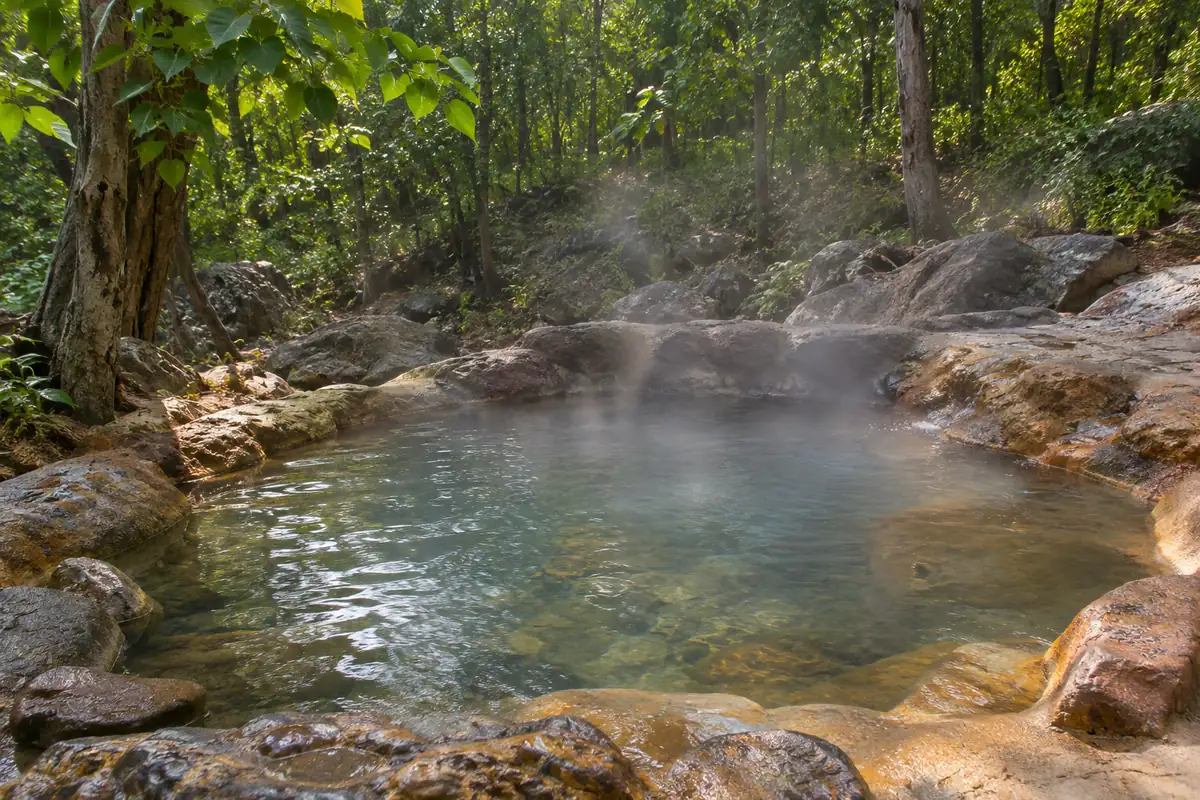
Visitors suffering from chronic eczema, psoriasis, arthritis, and muscular fatigue frequently travel to Deulajhari to collect thermal water and bathe in the designated runoff pools. The warm vapor rising from Agni Kund also acts as a natural steam inhaler, providing comfort for respiratory congestion during cold winter months.
History and Spiritual Significance of Baba Siddheswar Temple
The cultural foundation of Deulajhari is intertwined with the worship of Lord Shiva under the divine title of Baba Siddheswar, signifying the lord who grants spiritual perfection. Legends recorded in local temple chronicles trace the sanctity of the shrine back to medieval times when ascetics recognized the healing energy of the steaming springs and established a hermitage.
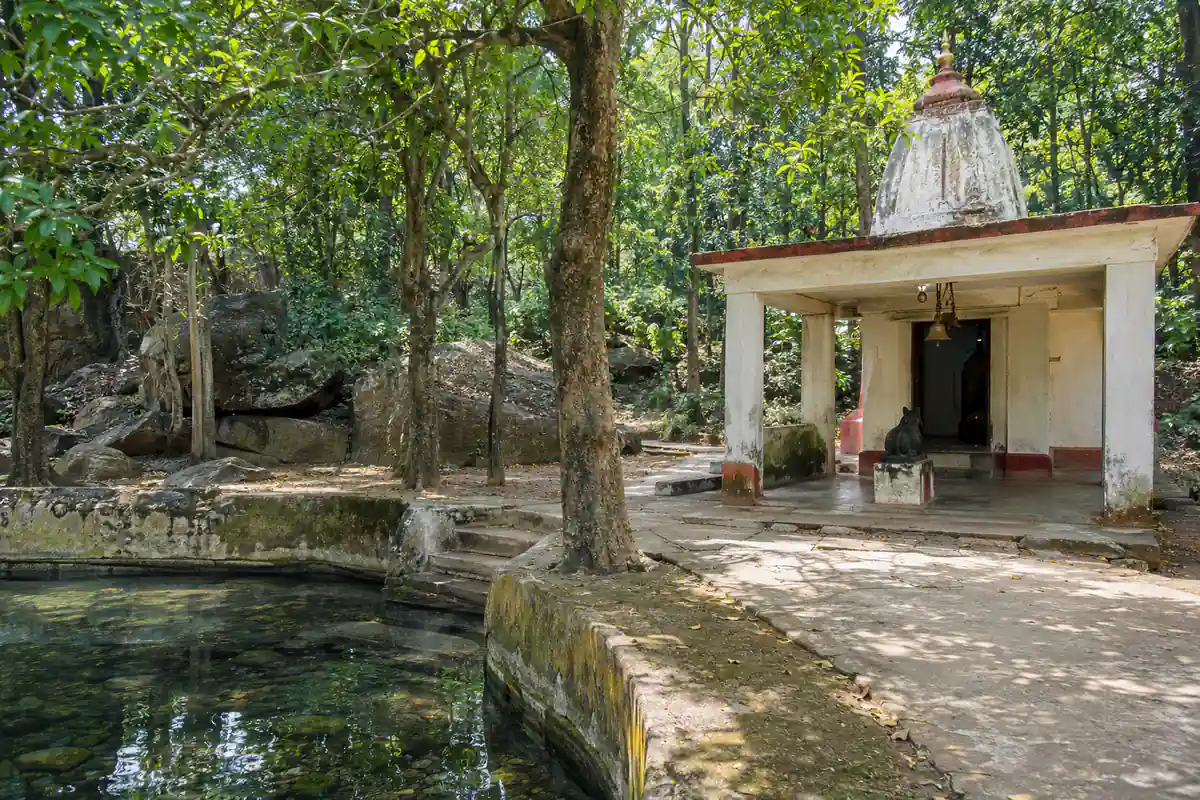
The main shrine is designed in classic Kalinga architectural tradition, featuring a square vimana tower constructed from weathered laterite and sandstone slabs. Lime mortar and traditional plaster protect the exterior stone carvings from corrosive sulfurous vapors.
Architectural Features of the Sanctum Sanctorum
The sanctum sanctorum houses a swayambhu lingam, an uncarved self-manifested stone emblem emerging naturally from subterranean bedrock. The lingam remains perpetually bathed in natural condensation and cool spring water drawn from adjoining channels.
Before entering the inner chamber, devotees pass through a modest mukhashala pillared hall where stone sculptures of Nandi bull, Lord Ganesha, and Kartikeya stand guard. The cool interior temperature of the sanctum offers a restful contrast to the steamy courtyards outside.
Associated Shrines of Maa Maheswari and Kedareswar
Surrounding the central Siddheswar temple are subsidiary shrines that complete the sacred mandala of Deulajhari. Dedicated to Maa Maheswari, the mother goddess shrine receives daily offerings of vermilion and hibiscus blossoms, anchoring the Shakta heritage of Athmallik.
Adjacent structures honor Kedareswar Mahadev, Lord Jagannath, and Maa Khambeswari, an indigenous pillar deity deeply venerated by rural communities throughout central Odisha. Travelers interested in tracing architectural traditions will find that our directory of famous heritage temples of Odisha documents related medieval Shaivite complexes across the state.
Visiting Hours, Daily Puja Schedule & Festival Celebrations
Deulajhari opens its iron gates early in the dawn hours, allowing morning pilgrims to witness the dense steam rising into crisp sunrise air. The atmosphere during early morning hours is exceptionally tranquil, making it the preferred time for therapeutic bathing and undisturbed prayer.
Daily Temple Timings and Bathing Complex Protocol
The temple follows a structured schedule of daily rituals administered by local sevayat families:
- Morning Opening: Gates open daily at 5:30 AM for dawn visitors and morning walkers.
- Mangala Aarti: Performed at 6:00 AM, accompanied by the ringing of brass bells and conch blowing.
- Midday Bhog & Closure: Sankhudi and dry offerings are presented to the deity between 12:00 PM and 12:30 PM, after which the sanctum doors close for afternoon recess.
- Evening Reopening & Sandhya Aarti: The sanctum reopens at 3:30 PM, with formal evening lamp worship conducted at 6:00 PM before final night closure at 6:30 PM.
Bathing in the sacred reservoirs is permitted throughout daylight hours in designated tanks. Visitors must observe local decorum by wearing modest cotton attire and avoiding the use of commercial synthetic soaps or shampoos in natural spring pools.
Maha Shivratri Fair and Shravan Pilgrimage Gatherings
The most celebrated festival at Deulajhari is the annual Maha Shivratri festival, celebrated during late winter. Thousands of devotees from Angul, Sambalpur, Boudh, and Dhenkanal gather to observe overnight vigils, chanting hymns around open bonfires until the sacred Mahadipa lamp is raised atop the Siddheswar temple spire.
A week-long village fair springs up along the entrance avenue during Shivratri, featuring folk music stages, rural handicraft stalls, brass utensil vendors, and traditional Odia sweets. During the holy monsoon month of Shravan, thousands of saffron-clad Bol Bom pilgrims carry sacred water collected from the Mahanadi River to pour over the Siddheswar lingam.
How to Reach Deulajhari from Bhubaneswar and Angul
Reaching Deulajhari is straightforward due to its proximity to the National Highway 55 industrial corridor and the Boinda railway junction. The journey carries travelers through scenic stretches of Sal forest and agricultural river plains.
Driving Route and Highway Navigation via NH 55
Travelers originating from Bhubaneswar or Cuttack drive northwest along National Highway 55 past Dhenkanal, Angul town, and Boinda. At Boinda junction, take State Highway 63 southward toward Athmallik for thirty-five kilometers. Signs mark the final country road leading two kilometers east into the Deulajhari grove.
The total driving distance from Bhubaneswar is approximately 160 kilometers, requiring around four hours of comfortable driving time. Private taxis and self-drive cars can easily complete the round trip as one of the rewarding weekend getaways from Bhubaneswar.
Train Connections via Boinda and Angul Railway Stations
For rail travelers, Boinda Railway Station (Station Code: BONA) serves as the closest convenient railhead, situated just 35 kilometers north of Deulajhari. Several daily passenger trains, express trains, and intercity expresses linking Bhubaneswar with Sambalpur and Rourkela stop at Boinda.
Alternatively, Angul Railway Station (Station Code: ANGL), located 90 kilometers east, offers broad connectivity to major express trains traveling across eastern and central India. Taxis and private cab operators can be hired directly from Angul railway concourse.
The table below outlines standard transit routes, distances, and estimated travel times to Deulajhari:
| Starting Point / Transit Hub | Route Specification | Approximate Distance | Estimated Travel Time |
|---|---|---|---|
| Athmallik Town | Local Rural Road via Deulajhari Road | 6 km | 15 minutes |
| Boinda Railway Station | State Highway 63 southward | 35 km | 45 minutes |
| Angul Town Headquarters | NH 55 West to Boinda, then SH 63 South | 90 km | 2 hours 15 minutes |
| Bhubaneswar Airport (BPIA) | NH 55 via Dhenkanal and Angul | 160 km | 3 hours 45 minutes |
| Cuttack City | NH 55 via Khuntuni and Hindol | 150 km | 3 hours 30 minutes |
| Sambalpur City | NH 55 East via Rairakhol to Boinda | 120 km | 2 hours 45 minutes |
Local Bus and Shared Taxi Availability from Athmallik
Regular government and private passenger buses operate between Angul district bus terminal and Athmallik daily. From Athmallik town market, auto-rickshaws, cycle-rickshaws, and shared utility vehicles run frequently to the Deulajhari temple gates for nominal fares of ₹20 to ₹30 per passenger.
Deulajhari vs Atri and Taptapani: Geothermal Hot Spring Comparison
Odisha is blessed with three prominent geothermal spring destinations: Deulajhari in Angul, Atri hot spring in Khordha, and Taptapani hot spring in Ganjam. Each location possesses distinct landscape settings, water heat levels, and tourist infrastructure that appeal to different travel styles.
Key Differences in Temperature, Landscape and Vibe
Deulajhari records the highest natural spring discharge temperature in Odisha, with Agni Kund reaching 66°C, surpassing the 57°C vent at Atri and the 45°C spring at Taptapani. Furthermore, Deulajhari features twenty-four separate vents clustered in one grove, whereas Atri and Taptapani center around single primary fissures.
In terms of scenery, Taptapani is set on an Eastern Ghats mountain saddle enveloped by pine and sal forests, complemented by a government eco-resort with piped sulfur water in guest rooms. Atri is set in a coastal agrarian plain just an hour from Bhubaneswar, offering enclosed bathing cubicles. Deulajhari provides a sacred rural temple grove where ancient religious traditions remain deeply integrated with the thermal pools.
The comparative matrix below highlights practical differences across the three geothermal destinations:
| Feature / Metric | Deulajhari (Angul) | Atri (Khordha) | Taptapani (Ganjam) |
|---|---|---|---|
| Peak Water Heat | 62°C to 66°C (Boiling) | 55°C to 57°C (Very Hot) | 43°C to 45°C (Warm/Hot) |
| Geographic Setting | Forested river basin grove | Coastal agricultural plains | Forested Eastern Ghats hill saddle |
| Number of Springs | 24 distinct vents | Single primary artesian vent | Single hillside fissure |
| Distance from Capital | 160 km (3.8 hours) | 42 km (1 hour) | 240 km (5 hours) |
| Presiding Deity | Lord Siddheswar Shiva | Lord Hatakeswar Shiva | Goddess Kandhuni Devi |
| Atmospheric Character | Rustic, spiritual temple grove | Accessible day-trip bathing pool | Scenic mountain wellness retreat |
Which Hot Spring Should You Choose?
If your priority is quick accessibility from Bhubaneswar for a half-day outing with basic enclosed bathing stalls, Atri is the most practical choice. If you seek an overnight hill retreat with modern cottages and hillside vistas, Taptapani is unmatched.
However, if you are drawn to genuine geological variety, boiling temperatures, and the mystical aura of an ancient Kalinga temple grove surrounded by forest birds, Deulajhari delivers the most authentic and culturally immersive experience.
Best Time to Visit, Travel Tips & Nearby Attractions
Visiting Deulajhari is pleasant throughout the year, but seasonal variations in central Odisha dictate how comfortably you can enjoy the steaming outdoor tanks.
Seasonal Weather Patterns and Winter Advantage
The ideal window to explore Deulajhari extends from October through early March. Winter mornings feature cool temperatures between 12°C and 18°C, making the warmth of rising sulfur steam wonderfully invigorating.
Monsoon months from July to September bring lush green foliage to the sal canopy, but heavy rains can cause muddy walkways. The summer months from April to June bring daytime heat exceeding 40°C in Angul, making bathing in hot thermal pools uncomfortable during midday hours.
The seasonal guide below helps coordinate your travel schedule:
| Season | Calendar Months | Ambient Temperature | Travel Rating & Advisory |
|---|---|---|---|
| Winter (Peak) | October to March | 12°C to 26°C | Excellent; crisp morning air makes thermal bathing and temple exploration comfortable |
| Monsoon | July to September | 24°C to 32°C | Good; lush green landscape and energetic streams, though pathways can be slick |
| Summer | April to June | 28°C to 42°C | Moderate; visit early morning before 8:00 AM to avoid intense central Odisha midday heat |
Practical Packing and Conduct Guidelines for Bathers
To ensure a respectful and rewarding visit, keep the following practical tips in mind:
- Footwear Selection: Wear slip-resistant sandals or rubber footwear, as stone steps surrounding the kunds can become slippery from mineral algae.
- Cotton Clothing: Bring an extra set of dry cotton clothes and a quick-dry towel if you plan to bathe in the designated warm water pools.
- Avoid Agni Kund Edge: Never attempt to submerge your hands or feet into Agni Kund, as boiling water can cause severe scalds. Observe warning signs posted around high-heat fissures.
- Jewelry Precaution: Remove silver ornaments before bathing, as dissolved sulfur gas reacts with silver, causing temporary darkening and discoloration.
- No Soap in Spring Pools: Refrain from applying synthetic bathing soaps, detergents, or oil in open spring reservoirs to protect the fragile aquatic ecology.
Top Nearby Attractions in Angul and Athmallik
A visit to Deulajhari pairs seamlessly with other leading natural landmarks in Angul district. The world-renowned Satkosia Tiger Reserve and its scenic river gorge lie within two hours by road, offering wildlife safaris, eco-cottages, and boat cruises along the turquoise Mahanadi River.
Nature lovers can also explore the crocodile research sanctuary at Tikarpada nature camp and sanctuary or unwind amidst the scenic picnic spots in Odisha dotted along the riverbanks of Athmallik block. Travelers searching for rewarding athmallik tourist places can easily add this sacred grove to their central Odisha itinerary.
Frequently Asked Questions (FAQs)
Where is Deulajhari Hot Spring located in Odisha?
Deulajhari Hot Spring is located in Athmallik block of Angul district in central Odisha. It is situated approximately six kilometers from Athmallik town and ninety kilometers west of Angul headquarters.
What is the water temperature of the thermal pools?
Water temperatures across the twenty-four distinct vents range from thirty-six to sixty-six degrees Celsius. The hottest reservoir is Agni Kund, which discharges boiling water reaching sixty-six degrees Celsius.
Which deity is worshipped at Baba Siddheswar Temple?
The primary presiding deity is Lord Shiva, venerated in the form of Baba Siddheswar inside an ancient Kalinga style stone temple. The complex also houses sacred shrines dedicated to Maa Maheswari, Kedareswar, and Maa Khambeswari.
How many sacred kunds exist in the complex?
Deulajhari contains twenty-four natural spring kunds distributed across the sacred temple grove. The most prominent reservoirs include Agni Kund, Brahma Kund, Sita Kund, Himani Kund, and Labakusa Kund.
Is bathing allowed in the sulfur reservoirs?
Yes, public bathing is permitted in designated warm water tanks such as Sita Kund and Brahma Kund. However, bathing is strictly prohibited in Agni Kund due to its dangerous boiling temperatures.
How to reach Athmallik from Bhubaneswar?
Travelers can drive 160 kilometers from Bhubaneswar via National Highway 55 and State Highway 63 through Angul and Boinda. Alternatively, passenger trains operate to Boinda Railway Station, located thirty-five kilometers from the spring site.