Dhabaleswar Temple Athagarh Cuttack: Timings, History & Visitor Guide (2026)
Plan your visit to Dhabaleswar Temple in Athagarh, Cuttack. Explore 2026 darshan timings, suspension bridge access, Bada Osha rituals, and travel routes.
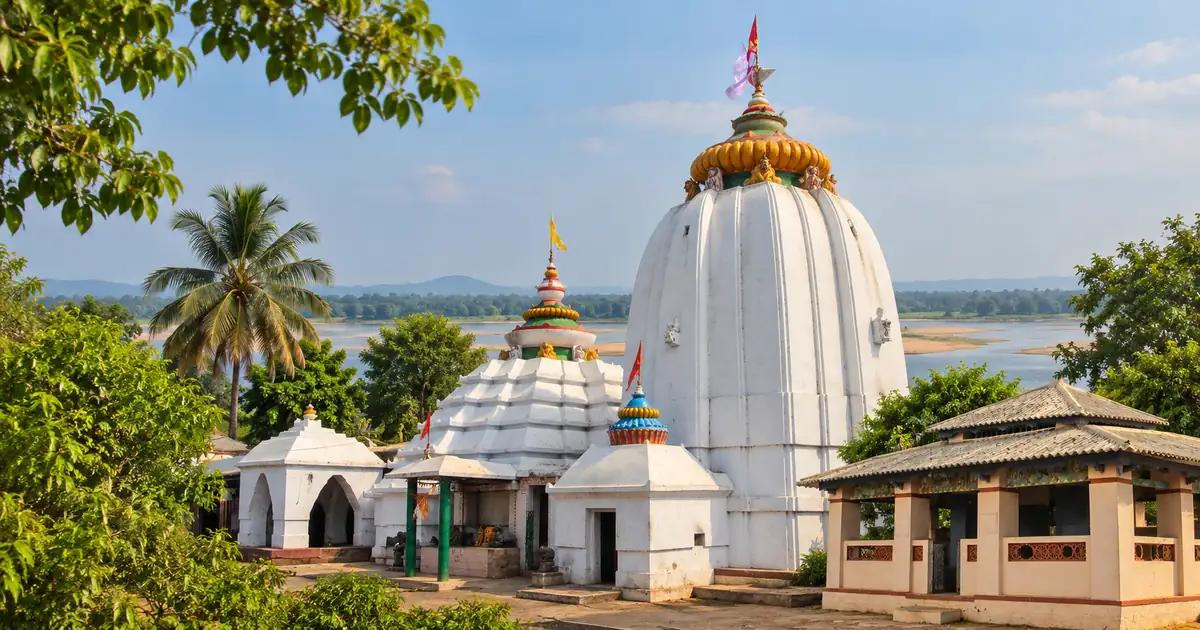
Dhabaleswar Temple in Cuttack district is a revered Shaivite shrine positioned on a riverine island in the Mahanadi River. Located in Athagarh tehsil roughly 27 kilometers northwest of Cuttack city, this ancient temple is dedicated to Lord Shiva as Dhabaleswar, meaning the White God. Pilgrims cross the river via a scenic pedestrian suspension bridge to worship the self-manifested Shiva lingam amidst quiet water groves.
Key Takeaways
- Dhabaleswar Temple sits on a forested island in the middle of the Mahanadi River in Athagarh, Cuttack district.
- The sacred shrine was established during the tenth and eleventh centuries under the patronage of the Somavamshi dynasty.
- Visitors reach the temple island by walking across a 254-meter pedestrian suspension bridge or via passenger ferry boats.
- General darshan timings run continuously from 6:00 AM to 5:00 PM daily, with extended hours during major religious festivals.
- The temple celebrates its signature festival, Bada Osha, in November during the holy Hindu month of Kartika.
The island complex provides an inspiring spiritual escape where water views complement classical stone architecture. Pilgrims from across coastal Odisha travel here to seek blessings for family health and personal renewal. For complete travel context across the surrounding silver city and historical block circuits, consult our definitive Cuttack district guide.
At-a-Glance: Dhabaleswar Temple Quick Facts
Dhabaleswar Temple is managed by the Endowment Commission of Odisha and local sevayat trusts under district administrative oversight. Official seasonal pilgrimage advisories and heritage monument directories are published by the Official Odisha Tourism Portal.
| Feature | Sacred Sanctuary Details |
|---|---|
| Location | Dhabaleswar Island, Mahanadi River, Athagarh, Cuttack 754029 |
| Presiding Deity | Lord Shiva (worshipped as Dhabaleswar, the White Lord) |
| Historical Period | 10th to 11th Century CE (Somavamshi dynasty rule) |
| Architectural Style | Classical Kalinga masonry with Rekha Deula and Pidha Jagamohana |
| Suspension Bridge Span | 254 meters long and 2 meters wide hanging walkway |
| Daily Darshan Hours | 6:00 AM to 5:00 PM on all seven days of the week |
| Public Admission Fee | Free entry to the temple; ₹2 nominal pedestrian bridge toll |
| Signature Festival | Bada Osha (Kartika Sukla Trayodasi in November) |
| Special Prasad | Gaja Bhoga and Attakali sweet rice delicacies |
| Nearest Railhead | Cuttack Railway Station (CTC), situated 27 km southeast |
The Miracle Legend of the White Bull and Divine Clemency
The spiritual identity of Dhabaleswar is rooted in a centuries-old miracle legend celebrating divine compassion. According to regional folklore, a village thief once stole a black calf from a nearby settlement. Pursued by an angry crowd of villagers, the terrified fugitive ran toward the island and sought refuge inside the sanctum.
Kneeling before the Shiva lingam, the remorseful man prayed fervently for forgiveness and protection. Lord Shiva appeared in the guise of a wandering sanyassin, covered the stolen calf with a white cloth, and led it out to the questioning crowd. When the villagers demanded to inspect the beast, the cloth was removed to reveal a pure white bull calf.
Convinced that the stolen animal was not among them, the villagers dispersed peacefully. Overwhelmed by the miracle, the thief repented his past crimes, renounced worldly possessions, and dedicated his remaining years to serving the deity. Because Lord Shiva transformed black to white to deliver a repentant devotee, the shrine received the enduring name Dhabaleswar.
Somavamshi Origins and Kalinga Architectural Design
Dhabaleswar Temple features structural craftsmanship associated with early Kalinga medieval stone temples. Historical foundations are linked to King Yayati Keshari of the Somavamshi dynasty, who patronized Shaivite learning across coastal Odisha during the tenth and eleventh centuries. Central heritage monuments and protected architectural sites are chronicled through the Archaeological Survey of India Monuments List.
The complex incorporates a curvilinear sanctum tower known as the rekha deula, complemented by a tiered pyramidal assembly hall termed the pidha jagamohana. While white lime wash has traditionally coated outer elevations to honor the white name of the deity, ancient stone carvings and ornamental plinths remain visible along the courtyard foundations.
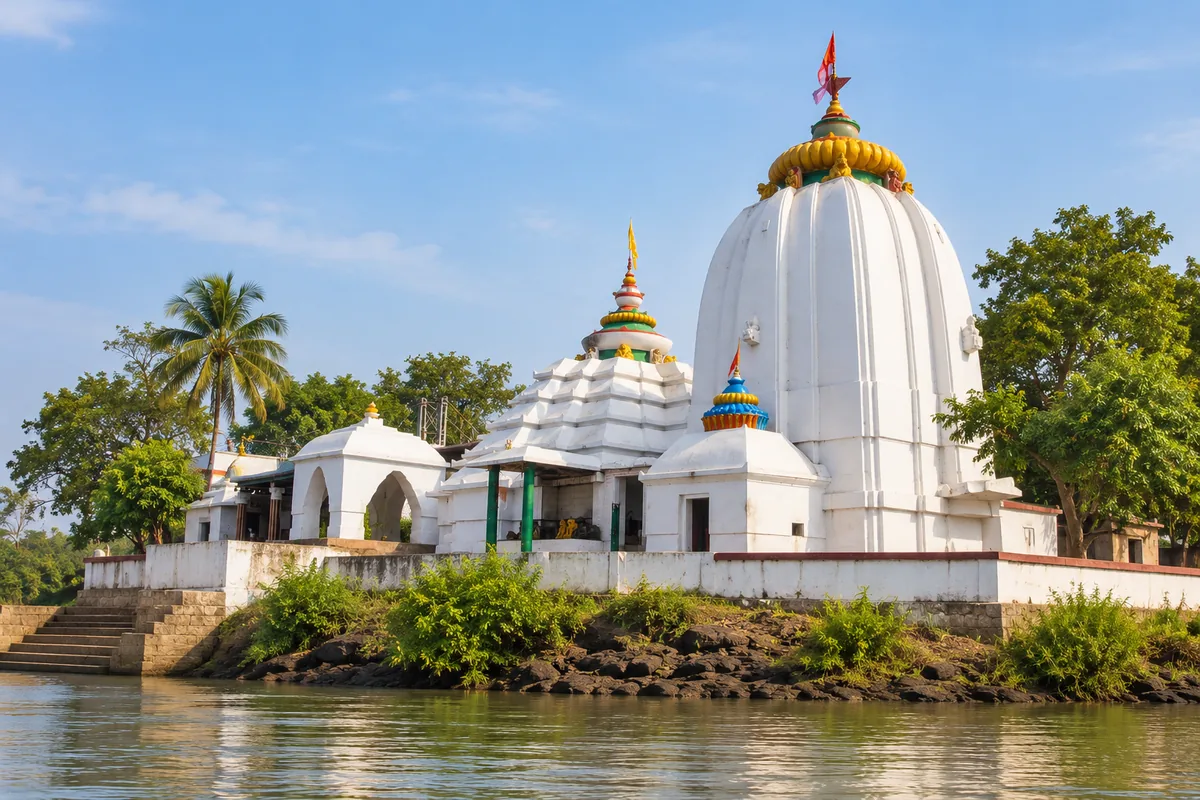
Subsequent rulers, including the historic royal house of Athgarh, added pillared pavilions and perimeter stone boundary walls to safeguard the shrine during monsoon river floods. To explore how this temple fits into the wider network of ancient shrines across the state, browse our overview of famous temples in Odisha.
The 254-Meter Suspension Bridge and Island Transit Options
The journey to Dhabaleswar Temple includes crossing the broad river channel of the Mahanadi. In 2006, the state government inaugurated Odisha’s first pedestrian hanging suspension bridge, connecting the northern riverbank near Mancheswar to the island.
The suspension bridge extends 254 meters across the water, suspended from heavy steel cables anchored into concrete riverside towers. Walking along the two-meter-wide deck provides expansive panoramic views of the forested island and distant riverbanks. A nominal toll of ₹2 per visitor supports ongoing bridge maintenance and crowd management.
Devotees can also cross the river using traditional mechanized country boats operating from local river landing ghats. Additionally, an all-weather concrete road bridge constructed under state infrastructure programs ensures safe vehicular transit during periods of heavy seasonal water discharge. To combine this island pilgrimage with nearby wetland exploration, plan a detour to Ansupa Lake and nature camp.
Dhabaleswar Temple Daily Rituals, Darshan Hours, and Entry Rules
Dhabaleswar Temple opens its sanctum gates to pilgrims daily between 6:00 AM and 5:00 PM. Broad cultural tourism programs and regional pilgrim facilities are detailed through the Incredible India Odisha Tourism Directory.
Priests perform traditional morning rituals, including the sacred bathing of the lingam, application of sandalwood paste, and chanting of Vedic mantras between 6:30 AM and 8:00 AM. Midday offerings of cooked rice, dalma, and seasonal vegetables take place around 12:30 PM, after which visitors can collect consecrated prasad.
Modest attire covering shoulders and knees is mandatory for all pilgrims entering the temple grounds. Footwear must be deposited at designated stalls outside the main stone gateway before stepping onto the temple flagstones. Photography is strictly prohibited inside the inner sanctum to maintain religious sanctity.
Bada Osha Festival and Sacred Gaja Bhoga Offerings
The annual spiritual climax at Dhabaleswar Temple occurs during Bada Osha, celebrated on the thirteenth day of the bright fortnight in the lunar month of Kartika. Commonly known as the Great Fasting Festival, the occasion draws hundreds of thousands of fasting devotees from across eastern India.
Pilgrims observe strict day-long fasts without food or water, waiting until late evening when priests perform special prayers and hoist the sacred flag atop the deula spire. Sevayats prepare distinctive sacred offerings called Gaja Bhoga and Attakali, made from new crop rice flour, grated coconut, jaggery, cardamom, and pure ghee.
Devotees consume this sanctified sweet offering to break their fast, believing the prasad confers health and spiritual merit. The island grounds become an active gathering place of devotional music, brass lamp rituals, and festive temporary bazaars. To understand how Bada Osha aligns with other Shaivite celebrations across the calendar, read our guide to the Maha Shivratri festival in Odisha.
How to Reach Dhabaleswar Temple from Cuttack and Bhubaneswar
Dhabaleswar Temple is well connected by smooth highway networks from major urban centers in the coastal plains:
- From Cuttack City (27 km): Drivers head northwest across the Mahanadi barrage through Choudwar along the Athagarh state highway. Private taxis and auto-rickshaws take approximately 45 minutes to reach the suspension bridge parking lot, with round-trip taxi fares averaging ₹900 to ₹1,400.
- From Bhubaneswar (70 km): Motorists take National Highway 16 north to Cuttack, continuing through Choudwar directly toward Athagarh. The journey requires approximately 1.5 to 2 hours by private car or tourist bus.
- By Public Bus: Regular state and private buses depart from Badambadi Bus Stand in Cuttack heading toward Athagarh and Narasinghpur. Passengers can disembark at the Dhabaleswar gate stop, followed by a short ten-minute walk to the river approach.
- From Cuttack Railway Station (27 km): Frequent express and intercity trains link Cuttack to Kolkata, Puri, and southern India. Pre-paid auto-rickshaws and cabs are available outside the station.
For travelers who wish to organize a full-day sightseeing itinerary around the ancient city, consult our curated guide to the best places to visit in Cuttack district.
Nearby Cuttack Attractions to Combine with Your Pilgrimage
A pilgrimage to Dhabaleswar Temple can be easily combined with several historic and scenic landmarks nearby:
- Barabati Fort Ruins (24 km): The ancient 14th-century earthen ramparts and stone gateways of the Ganga dynasty fortress in Cuttack.
- Mahanadi Barrage at Naraj (20 km): A scenic river regulator point where the Mahanadi branches into the Kathajodi River, popular for sweeping sunset vistas.
- Cuttack Chandi Temple (26 km): The historic patron goddess shrine of Cuttack city, renowned for its daily Durga puja traditions.
- Bhattarika Temple, Badamba (65 km): An ancient riverbank Shakti peetha located upstream along the Mahanadi River, dedicated to Goddess Bhattarika.
Frequently Asked Questions About Dhabaleswar Temple
What are the daily opening hours of Dhabaleswar Temple?
Dhabaleswar Temple is open to visitors daily from 6:00 AM to 5:00 PM. During the annual Bada Osha and Maha Shivratri festivals, the temple remains open through the night to accommodate large congregations of fasting devotees.
How do pilgrims cross the river to reach Dhabaleswar Temple?
Pilgrims reach Dhabaleswar Temple by walking across the 254-meter pedestrian suspension bridge, by taking authorized country passenger ferry boats, or by driving across the concrete road bridge connecting the island to the mainland.
Why is the temple deity called Dhabaleswar?
The temple deity is named Dhabaleswar, or the White Lord, because of a legendary miracle where Lord Shiva turned a stolen black calf into pure white to protect a repentant devotee from an angry mob.
Is an entry ticket required to enter Dhabaleswar Temple?
General entry to the Dhabaleswar Temple complex is completely free for all visitors. A nominal toll of ₹2 is collected per pedestrian to cross the suspension footbridge to support safety maintenance and staffing.