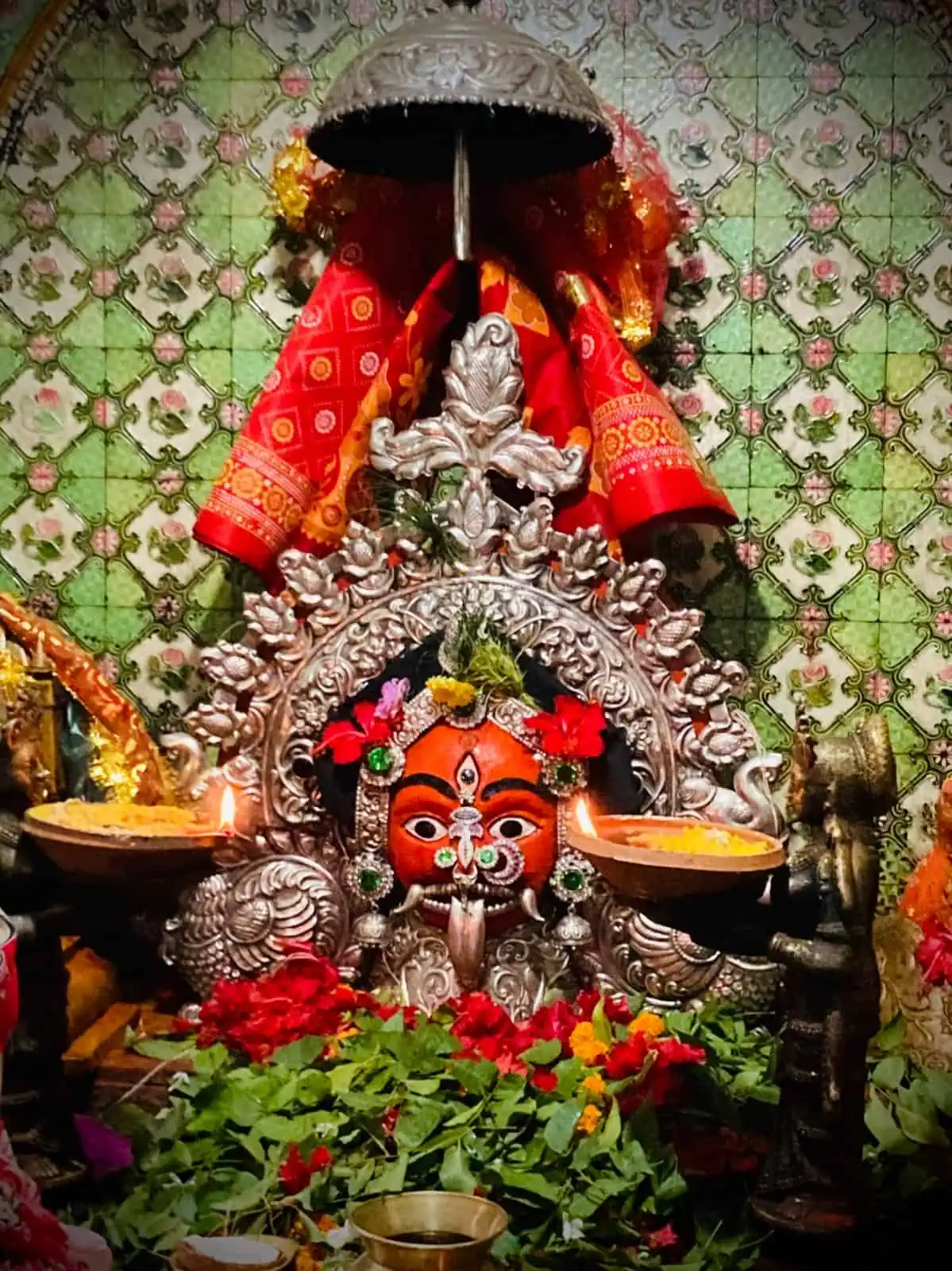
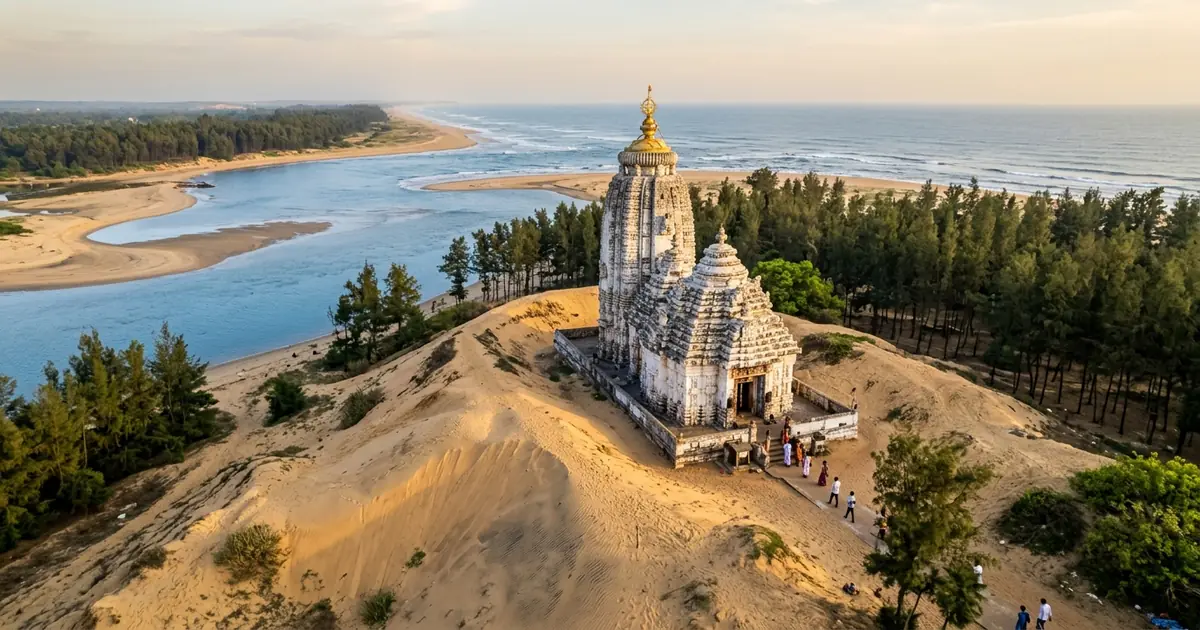
Dhabaleswar Sea Beach Temple Ganjam: Visitor Guide
Explore Dhabaleswar Sea Beach Temple Brahmapur Ganjam. Discover timings, rituals, route logistics, beach tips, and Olive Ridley turtle facts.
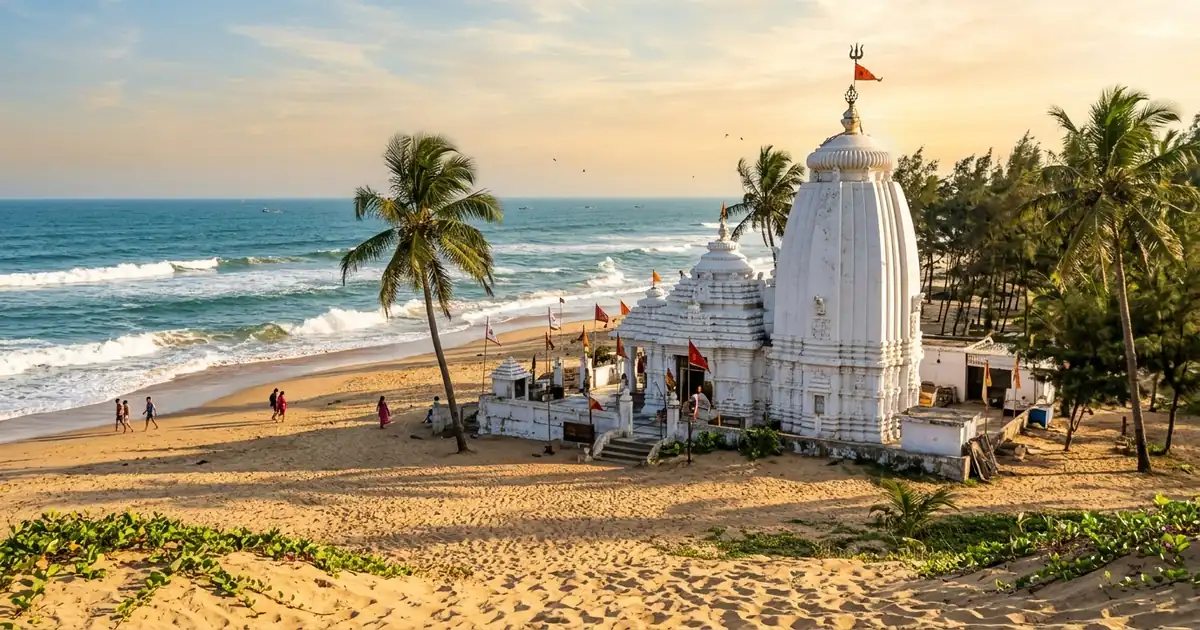
Dhabaleswar Sea Beach Temple Brahmapur Ganjam stands as a peaceful coastal sanctuary where spiritual devotion meets the rolling waves of the Bay of Bengal. Situated along the southern shoreline of Odisha within Ganjam district travel guide, this holy shrine is dedicated to Lord Shiva as Dhabaleswar Mahadev.
The temple compound rests upon soft sand dunes bordered by whispering casuarina groves. Devotees also refer to this shrine locally as Dhabaleswar Mandir Ganjam.
Unlike many crowded urban pilgrimage complexes, this seaside retreat offers a deeply contemplative setting. Travelers visiting the commercial center of Berhampur or relaxing along Gopalpur beach travel guide often make the short coastal excursion here to experience quiet prayer accompanied by ocean breezes. The location holds a distinct identity among the sacred famous temples in Odisha.
Key Takeaways
- Sacred Seaside Sanctum: Ancient coastal temple dedicated to Lord Shiva, located directly along the scenic Bay of Bengal shoreline.
- Distinct Coastal Identity: Entirely separate from the island temple in the Mahanadi River near Cuttack, with its own marine folklore.
- Free Public Darshan: Open daily without admission charges from 6:00 AM to 8:00 PM, with surrounding beach sands open until late evening.
- Ecological Hotspot: Located along the coastal belt near the Rushikulya River mouth, famous worldwide for Olive Ridley turtle arrivals.
- Convenient Transit: Situated eighteen kilometers from Berhampur railway station and fifteen kilometers northeast of Gopalpur.
Dhabaleswar Sea Beach Temple Brahmapur Ganjam at a Glance
Travelers planning an itinerary across southern Odisha will find Dhabaleswar Sea Beach Temple a rewarding destination that combines heritage and shoreline nature. The temple compound features a classic Kalinga-style sanctum spire finished in white lime plaster, contrasting sharply against the azure sea backdrop.
The surrounding beach remains relatively uncommercialized compared to urban waterfronts. Fishermen mend their nets along the edges of the shore, while pilgrims sit beneath shade trees after offering prayers inside the sanctum. The peaceful aura makes it ideal for family outings and quiet retreats.
| Feature | Verified Information | Traveler Advice |
|---|---|---|
| Presiding Deity | Lord Dhabaleswar (Lord Shiva) | Revered for peace and protection of seafarers |
| Temple Location | Coastal beach belt near Aryapalli, Ganjam | 18 km from Berhampur city center |
| Temple Timings | 6:00 AM to 8:00 PM | Open every day of the week |
| Beach Access Hours | 5:00 AM to 10:00 PM | Early morning sunrise offers best lighting |
| Entry Fee | Free admission for all visitors | No camera fees on outer beach sands |
| Nearest Railway Hub | Brahmapur Railway Station (BAM) | Accessible by regular taxi or auto-rickshaw |
| Nearest Airport | Biju Patnaik Airport Bhubaneswar | 168 km north via NH-16 |
The climate along this coast remains warm throughout the summer, but refreshing maritime breezes temper the midday heat. Winter months from October through March provide the most comfortable conditions for walking across the sandy terrain.
Temple History, Spiritual Lore, and Lord Dhabaleswar
The spiritual roots of Dhabaleswar Sea Beach Temple trace back across several generations of maritime life in Ganjam. Local tradition recounts that coastal seafaring traders and traditional fishermen built the original stone shrine to seek divine protection before sailing into the deep waters of the Bay of Bengal.
Lord Shiva is worshipped here as Dhabaleswar, which translates to the White Lord. According to regional lore recorded in folk verses, an ardent devotee once prayed to Lord Shiva while facing false accusations of theft regarding a calf. Through divine intervention, the deity turned the disputed animal pure white, establishing the god as an emblem of truth and spotless mercy.
Over successive decades, local zamindars and fishing cooperatives contributed to the maintenance of the stone deula and boundary walls. Today, hereditary servitors conduct daily morning and evening worship according to age-old Shaivite rituals.
The temple also holds special meaning for women devotees from surrounding coastal villages. Many assemble on Mondays during the month of Kartika to light ghee lamps along the stone steps, offering prayers for the prosperity and longevity of their households.
Temple Timings, Daily Pujas, and Darshan Schedule
Dhabaleswar Sea Beach Temple maintains an organized schedule that accommodates both early morning worshippers and evening travelers. The sanctum doors open at dawn as temple bells chime to announce the Mangala Alati.
| Daily Ritual | Scheduled Time | Pilgrim Experience |
|---|---|---|
| Morning Opening & Mangala Alati | 6:00 AM to 6:30 AM | Peaceful dawn prayers as sea waves break nearby |
| General Darshan & Abhishekam | 6:30 AM to 12:30 PM | Devotees offer milk, bael leaves, and flowers |
| Afternoon Bhog & Rest | 12:30 PM to 3:30 PM | Inner sanctum closed; outer grounds accessible |
| Evening Reopening & Sandhya Alati | 3:30 PM to 7:30 PM | Fragrant incense and brass lamp arati ceremony |
| Night Pahada (Closing) | 8:00 PM | Main temple doors close until next morning |
There is no entry fee required to enter the temple grounds or participate in the public darshan. Devotees may purchase modest puja baskets containing coconuts, marigold garlands, and camphor from small authorized stalls outside the temple entrance.
During Maha Shivratri, the temple operates through the entire night. Thousands of pilgrims travel from Berhampur, Chatrapur, and surrounding hamlets to observe fasting vigils and witness the lighting of the sacred Mahadipa atop the temple shikhara.
Dhabaleswar Beach Landscape and the Rushikulya Estuary
The coastal stretch fronting Dhabaleswar Temple stands out for its natural topography. Unlike rocky headlands elsewhere, this shoreline consists of expansive golden sand dunes that roll gently down to the high-tide line.
A protective belt of dense casuarina trees lines the inland edge of the beach. These trees act as an essential windbreak against coastal storms while providing cool, shaded resting clearings for picnic parties and nature lovers.
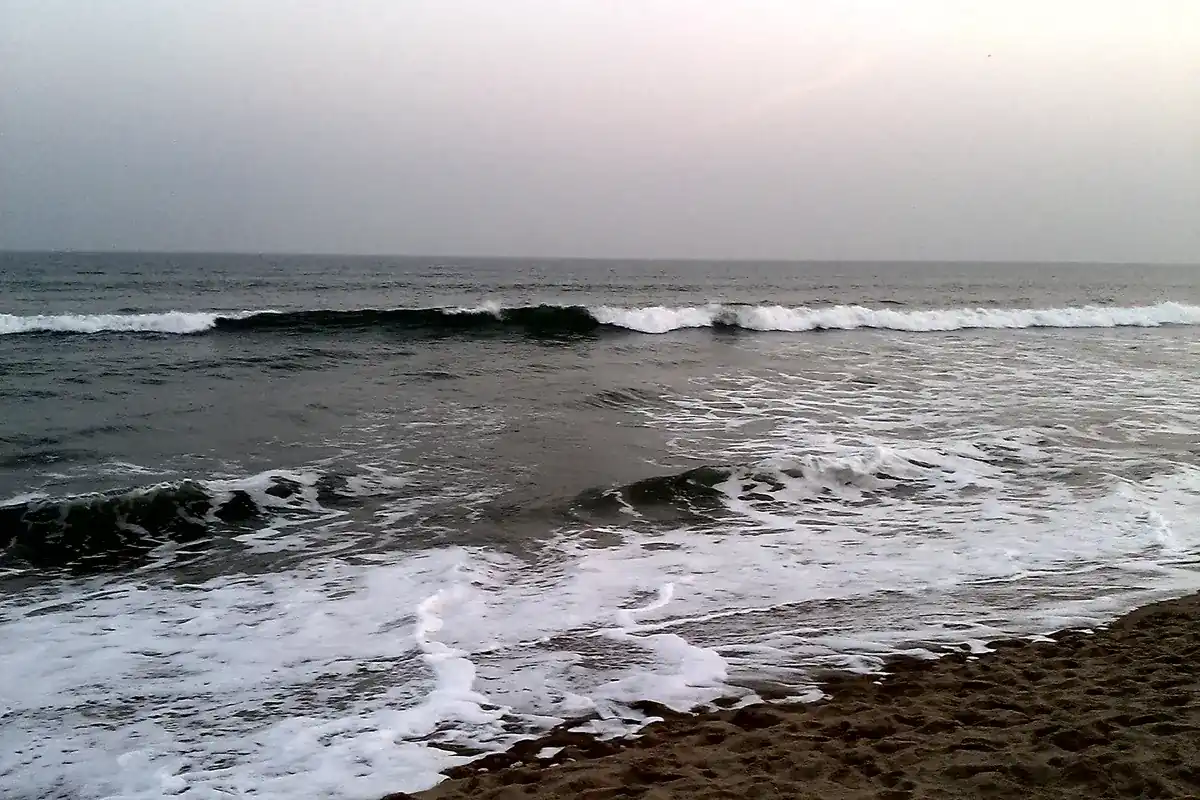
A few kilometers north along this shoreline lies the internationally significant Rushikulya River mouth. This estuary forms one of the largest mass-nesting grounds in the world for vulnerable Olive Ridley sea turtles.
Between January and March, hundreds of thousands of female turtles swim ashore under cover of darkness to dig nests and deposit eggs in the sands. The state forest department enforces strict conservation protocols in this zone, prohibiting artificial floodlights and motor vehicle traffic on the beach during nesting season.
Travelers visiting during these winter months can witness this awe-inspiring natural wonder while adhering to government wildlife protection guidelines documented on the official Odisha State Portal.
How Dhabaleswar Ganjam Compares with Cuttack Dhabaleswar
First-time visitors to Odisha frequently confuse this beach temple with the renowned Dhabaleswar Temple located near Cuttack. While both shrines venerate the same form of Lord Shiva, their geographic settings and visitor experiences are completely different.
Understanding these distinctions helps travelers choose the proper destination for their journey:
| Aspect | Dhabaleswar Temple Ganjam | Dhabaleswar Temple Cuttack |
|---|---|---|
| Geographic Setting | Coastal ocean beach along Bay of Bengal | Freshwater river island in Mahanadi River |
| District | Ganjam District (Southern Odisha) | Cuttack District (Central Odisha) |
| Access Method | Direct road access by car or auto-rickshaw | Suspension footbridge or ferry boat crossing |
| Key Attraction | Sea beach, sand dunes, and casuarina groves | River island scenery and large suspension bridge |
| Associated Wildlife | Olive Ridley turtles and coastal seabirds | Freshwater river fish and island foliage |
| Footfall Level | Calm and relaxed regional shrine | Very high footfall during Bada Osha festival |
The Ganjam shrine provides an intimate and quiet seaside ambiance, whereas the Cuttack island temple represents a large-scale pilgrim landmark with massive festival congregations.
How to Reach Dhabaleswar Sea Beach Temple from Berhampur
Reaching Dhabaleswar Sea Beach Temple is convenient from major transport hubs across southern Odisha. The site lies within easy driving distance of Berhampur, the primary commercial city of Ganjam district.
| Origin Point | Distance | Estimated Travel Time | Primary Route |
|---|---|---|---|
| Berhampur Railway Station | 18 km | 35 to 40 minutes | Via Marine Drive / Aryapalli Road |
| Gopalpur-on-Sea | 15 km | 25 to 30 minutes | Coastal link road connecting north |
| Chatrapur District HQ | 14 km | 25 minutes | NH-16 bypass road southward |
| Tampara Lake | 16 km | 30 minutes | NH-16 coastal exit road |
| Bhubaneswar Airport | 168 km | 3.5 hours | National Highway 16 southward |
Transit by Rail
Brahmapur Railway Station (BAM) serves as the main railhead, connecting directly to Kolkata, Chennai, Hyderabad, and New Delhi on the East Coast railway trunk line. Outside the station exit, travelers can readily hire auto-rickshaws or private app-based taxis for a direct half-hour ride to Dhabaleswar Beach.
Transit by Road
State highways and national corridors connect smoothly to the coastal approach. Travelers driving private vehicles can branch off National Highway 16 near Chatrapur or Berhampur bypass, following signposted roads toward the coast. Parking space is available in an unpaved open ground near the temple entrance.
Transit by Air
The nearest commercial airport is Biju Patnaik International Airport in Bhubaneswar, located roughly one hundred and sixty-eight kilometers to the north. Visitors can take express trains or private highway cabs southward along NH-16. State tourism resources are available on the Odisha Tourism Portal.
Nearby Attractions in the Southern Odisha Coastal Circuit
A trip to Dhabaleswar Sea Beach Temple pairs naturally with several celebrated travel landmarks in the surrounding region. Travelers can plan an engaging full-day itinerary exploring both coastal scenery and cultural shrines.
Gopalpur-on-Sea
Located just fifteen kilometers southwest, Gopalpur-on-Sea is one of the most famous historic beach resorts in eastern India. Visitors can stroll along the promenade, admire the colonial lighthouse, and sample fresh seafood dishes at local beachfront restaurants. Discover more details in our best tourist places in Berhampur guide.
Tampara Lake
Situated sixteen kilometers northwest near Chatrapur, Tampara is a freshwater coastal lagoon. The site offers modern water sports, including jet skiing, speed boating, and pedal boating, complete with landscaped gardens and lakeside cafes. Learn more in our Tampara Lake travel guide.
Maa Tara Tarini Temple
Perched atop Kumari hills near Purushottampur roughly forty kilometers northwest, this ancient shrine is one of the four original Adi Shakti Peethas of India. Pilgrims can ascend the nine hundred and ninety-nine stone steps or take a scenic ropeway ride to the summit. Explore our comprehensive Maa Tara Tarini Temple guide.
Taptapani Hot Spring
Located sixty kilometers inland into the Eastern Ghats, Taptapani features natural sulfur hot springs renowned for therapeutic minerals. Read our detailed Taptapani Hot Spring travel guide for route details and bathhouse guidelines.
Practical Traveler Tips and Visitor Etiquette
- Morning Visits Recommended: Arrive between 6:30 AM and 9:00 AM to experience comfortable temperatures, gentle sea breezes, and clean morning sunlight across the dunes.
- Modest Clothing Required: Because Dhabaleswar is an active Hindu place of worship, dress respectfully by covering shoulders and knees before stepping into the inner temple perimeter.
- Sea Bathing Caution: The surf along this stretch of the Bay of Bengal can generate strong undertows; swimming deep into the water is dangerous and discouraged.
- Hydration and Footwear: The open beach sands heat up considerably after midday; wear comfortable sandals and carry a personal water bottle.
- Turtle Conservation Protocol: Between December and April, avoid using bright flashlights or making loud noises on the beach after dusk to prevent disturbing nesting sea turtles.
Frequently Asked Questions
Where is Dhabaleswar Sea Beach Temple located?
Dhabaleswar Sea Beach Temple is located along the Bay of Bengal coast near Aryapalli in Ganjam district, Odisha. It sits approximately eighteen kilometers east of Berhampur city and fifteen kilometers northeast of Gopalpur.
How is this temple different from Cuttack Dhabaleswar Temple?
This temple is a coastal beach shrine overlooking the open ocean, whereas Cuttack Dhabaleswar is an island temple situated within the freshwater Mahanadi River. Both temples venerate Lord Shiva but feature completely distinct landscapes and access routes.
What are the temple opening timings?
The temple sanctum opens daily from 6:00 AM to 8:00 PM for public darshan, closing briefly between 12:30 PM and 3:30 PM. The surrounding open sea beach remains accessible from 5:00 AM until 10:00 PM.
Is there an admission fee to visit Dhabaleswar Beach Temple?
No entry fee is charged to enter the temple complex or to access the sandy sea beach. Modest charges only apply if you purchase puja samagri or coconut offerings from local vendor stalls.
Can visitors witness Olive Ridley sea turtles near Dhabaleswar?
Yes, the nearby Rushikulya River mouth corridor serves as one of the largest mass-nesting rookeries for Olive Ridley sea turtles in the world. Nesting occurs between January and March under strict wildlife protection guidelines.
How can travelers reach the temple from Berhampur?
Travelers can easily reach the temple within thirty-five minutes by hiring an auto-rickshaw or taxi from Berhampur railway station. Paved coastal roads connect smoothly from the city and nearby Gopalpur-on-Sea.