Vedvyas Temple Rourkela: Timings, History & Visitor Guide
Plan your trip to Vedvyas Temple in Rourkela, Sundargarh. Discover the Shankha-Koel river confluence, Maharishi Vyasa cave, timings, and travel guide.
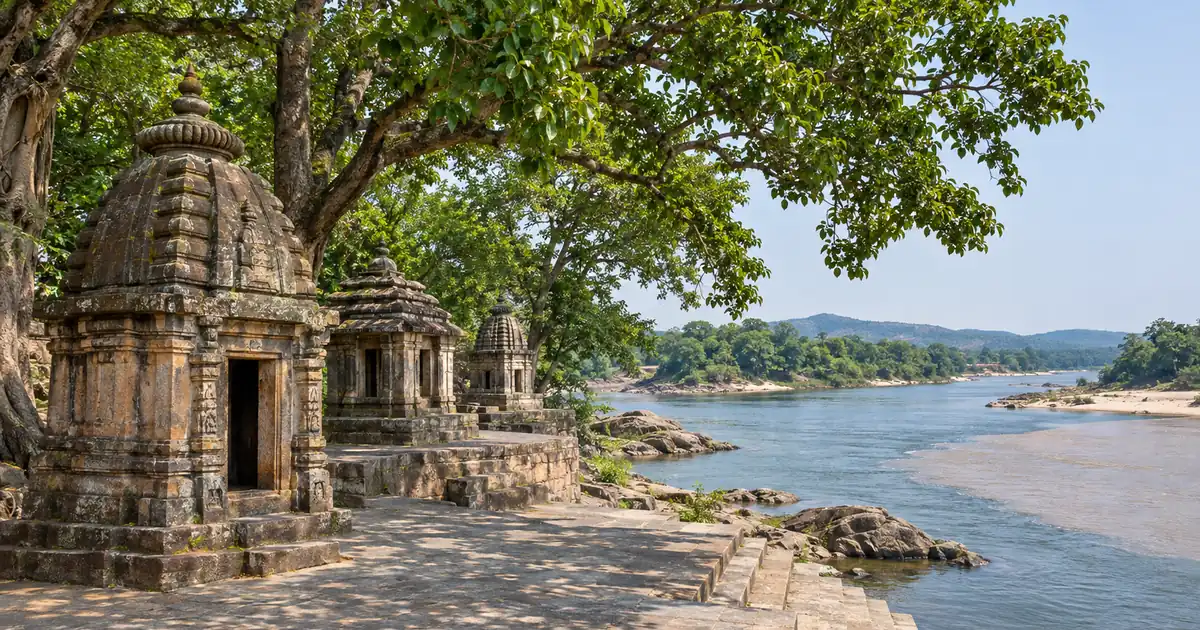
Perched gracefully above the dramatic meeting point of two swift mountain rivers, the revered vedvyas temple rourkela sundargarh stands as one of the most spiritually significant pilgrimage centers in western Odisha. Located barely 12 kilometers west of the major steel city of Rourkela near Panposh, this tranquil riverfront sanctuary blends ancient Vedic mythology with scenic geography.
What makes this sacred site revered across eastern India is its legendary role in Sanskrit literature. According to ancient tradition, this wooded river bluff sheltered the hermitage of Maharishi Krishna Dvaipayana Ved Vyasa, who sat in a quiet rock cave here to compose the epic Mahabharata and compile the four sacred Vedas.
Alongside industrial landmarks and waterfalls documented in our Sundargarh district travel guide and picnic spots near Rourkela, Vedvyas represents an enduring bridge to India’s spiritual roots. Whether you arrive for an auspicious river bath, personal meditation inside the historic cave, or festive celebrations, this detailed guide explains every detail for your trip.
Key Takeaways
- Vedvyas Temple sits at the sacred river confluence (Triveni Sangam) where the Shankha and South Koel rivers unite to form the mighty Brahmani River.
- The site is named after Maharishi Ved Vyasa, who according to regional folklore meditated in a natural rocky cave here and composed the Mahabharata.
- The complex houses the ancient Lord Chandrasekhar Shiva temple, the Vyasa cave, an unbroken Akhanda Sankirtan Mandap, and a traditional Vedic Gurukul.
- Every year on Maha Shivaratri, Vedvyas hosts one of western Odisha’s largest religious fairs, drawing hundreds of thousands of pilgrims.
- General admission to the temple grounds, cave, and river ghats is completely free, opening daily from 6:00 AM to 8:00 PM.
At-a-Glance: Temple Timings, Location & Confluence Summary
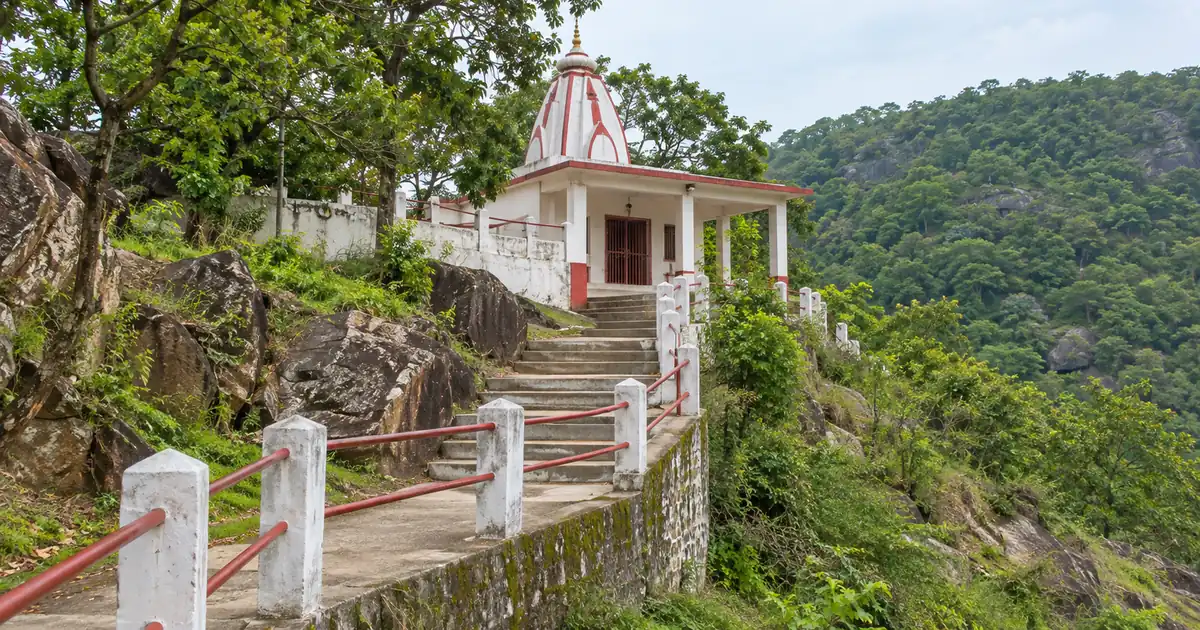
Visiting Vedvyas Temple offers a refreshing contrast to the modern industrial rhythm of Rourkela. Situated on an elevated riverbank shaded by broad peepal, neem, and mango trees, the sanctuary provides panoramic views across rushing currents and broad sandy shoals.
The temple campus maintains a welcoming, unhurried daily schedule. Devotees can comfortably ascend the stone steps from the parking apron, visit the main Shiva sanctum, and walk down to the river confluence without navigating congested queues.
Daily Darshan Schedule and Ritual Timeline
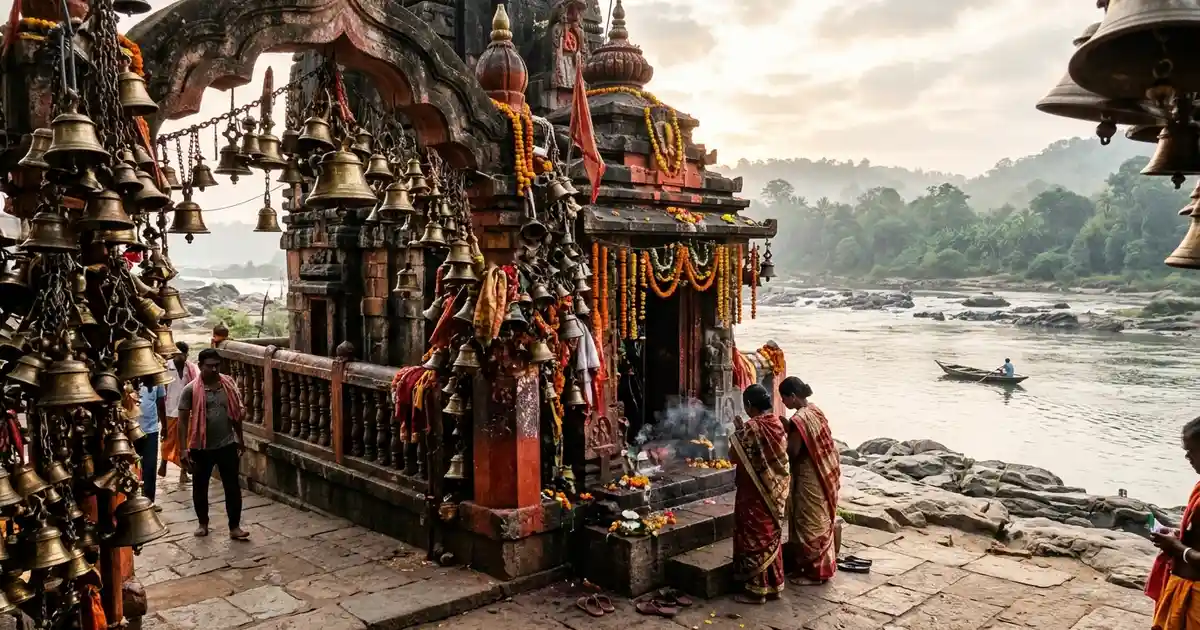
The temple opens its gates at 6:00 AM each morning for the ceremonial Mangala Alati. Priests draw fresh water directly from the river confluence to perform the ritual ablution of the central Shiva lingam.
The sanctum remains open through the afternoon hours, making it convenient for travelers arriving by morning trains at Rourkela junction. Evening prayers take place at 7:00 PM with the chiming of brass bells before the complex closes for the night at 8:00 PM.
| Daily Darshan Phase | Scheduled Hours | Religious Observance & Devotional Context |
|---|---|---|
| Morning Mangala Alati | 6:00 AM to 6:30 AM | Sanctum opening, lamp ritual, and morning deity bath |
| Public Darshan & Archana | 6:30 AM to 12:30 PM | Open public worship, individual water offerings, and prayers |
| Madhyanna Bhog (Noon Offering) | 12:30 PM to 1:30 PM | Traditional cooked rice, dal, and vegetable offerings |
| Afternoon Visiting Window | 1:30 PM to 6:00 PM | Quiet walking hours across river ghats and the Vyasa cave |
| Sandhya Alati (Evening Prayer) | 6:30 PM to 7:15 PM | Resonant evening lamp ceremony with devotional singing |
| Temple Gate Closure | 7:45 PM to 8:00 PM | Night prayer completion and formal sanctuary closure |
During high-traffic festive periods, particularly Maha Shivaratri and Makar Sankranti, visiting schedules are greatly expanded. Sevayats keep the temple illuminated and active through the night to manage the massive flow of pilgrims arriving from neighboring districts.
Essential Facts and Visitor Information Table
The campus features wide masonry steps leading down to safe river bathing zones, drinking water stands, and convenient footwear stalls. Visitors can safely explore both the historic shrines and the riverside groves.
Official administrative updates and cultural festival notifications can be verified directly on the Official Odisha Tourism Portal and the Archaeological Survey of India.
| Visitor Parameter | Practical Detail |
|---|---|
| Primary Presiding Deity | Lord Chandrasekhar (Shivalinga) & Maharishi Ved Vyasa |
| Location | Vedvyas, Panposh Tehsil, Rourkela, Sundargarh 769004 |
| Entry Tariff | Completely free admission for all visitors |
| Photography Policy | Permitted on outer grounds; strictly prohibited inside inner sanctum |
| Prescribed Attire | Modest traditional attire (dhoti, kurta, saree, salwar kameez) |
| Ideal Visiting Months | October to March for cool weather; February for Maha Shivaratri |
| Nearest Railhead | Rourkela Junction (12 km); Panposh Station (5 km) |
| Nearest Airport | Rourkela Airport (10 km); Jharsuguda Airport (125 km) |
The Sacred Triveni Sangam: Birthplace of the Brahmani River
The exceptional geographic and spiritual identity of Vedvyas is defined by its dramatic river confluence. Two major waterways descending from opposite mountainous plateaus converge here in a sweeping union:
- The Shankha River: Originating in the high plateau forests of Gumla in Jharkhand, flowing southward over rocky granite shelves.
- The South Koel River: Descending swiftly from the Ranchi plateau, winding through mineral-rich valleys before reaching Sundargarh.
At Vedvyas, these two fast-flowing rivers merge to create the mighty Brahmani River, the second-longest river system in Odisha. The Brahmani flows across five districts before emptying into the Bay of Bengal near Dhamra port.
Hydrological Meeting of Shankha, Koel, and Underground Saraswati
In regional religious cosmology, this confluence is revered as a sacred Triveni Sangam. Local tradition holds that alongside the visible waters of the Shankha and Koel, a third mystical river, the underground Saraswati, emerges secretly from rock subterranean fissures to join the confluence.
The confluence waters are regarded as exceptionally pure and purifying. Taking a holy dip at the meeting point is believed to wash away negative karma and confer spiritual merit equal to bathing at Prayagraj.
During the post-monsoon and winter months, the rivers form crystal-clear streams separated by broad white sandbars, creating an inviting natural playground where families enjoy peaceful afternoon walks.
Tirtha Snana, Ancestral Shraddha, and Sacred Lifecycle Rites
Because of its status as an ancient tirtha, the riverbanks at Vedvyas serve as a revered venue for performing sacred lifecycle rituals. Families from across western Odisha, Jharkhand, and Chhattisgarh travel here to conduct:
- Ancestral Shraddha & Pinda Daan: Performing memorial ceremonies for departed ancestors along the consecrated river ghats.
- Upanayana (Sacred Thread Ceremonies): Young boys receive their spiritual initiation beside the tranquil river waters under the guidance of Vedic priests.
- Asthi Visarjan: Dispersing the mortal ashes of loved ones into the flowing current of the Brahmani.
Dedicated masonry platforms and changing rooms along the riverfront ensure that families can conduct these ceremonies with dignity and peace.
Mythological Origins: Maharishi Vyasa & The Epic Mahabharata
The spiritual heritage of Vedvyas is inextricably woven into the composition of India’s greatest epic, the Mahabharata. Regional oral tradition preserves the memory of Sage Krishna Dvaipayana, widely known as Maharishi Ved Vyasa, choosing this secluded river promontory as his hermitage.
Surrounded by deep sal forests and flowing waters, the sage found the quiet isolation required for deep metaphysical inquiry. It was here that he is believed to have compiled the four Vedas, composed the eighteen major Puranas, and dictated the colossal verses of the Mahabharata.
The Sacred Vyasa Cave and Hermitage Legend
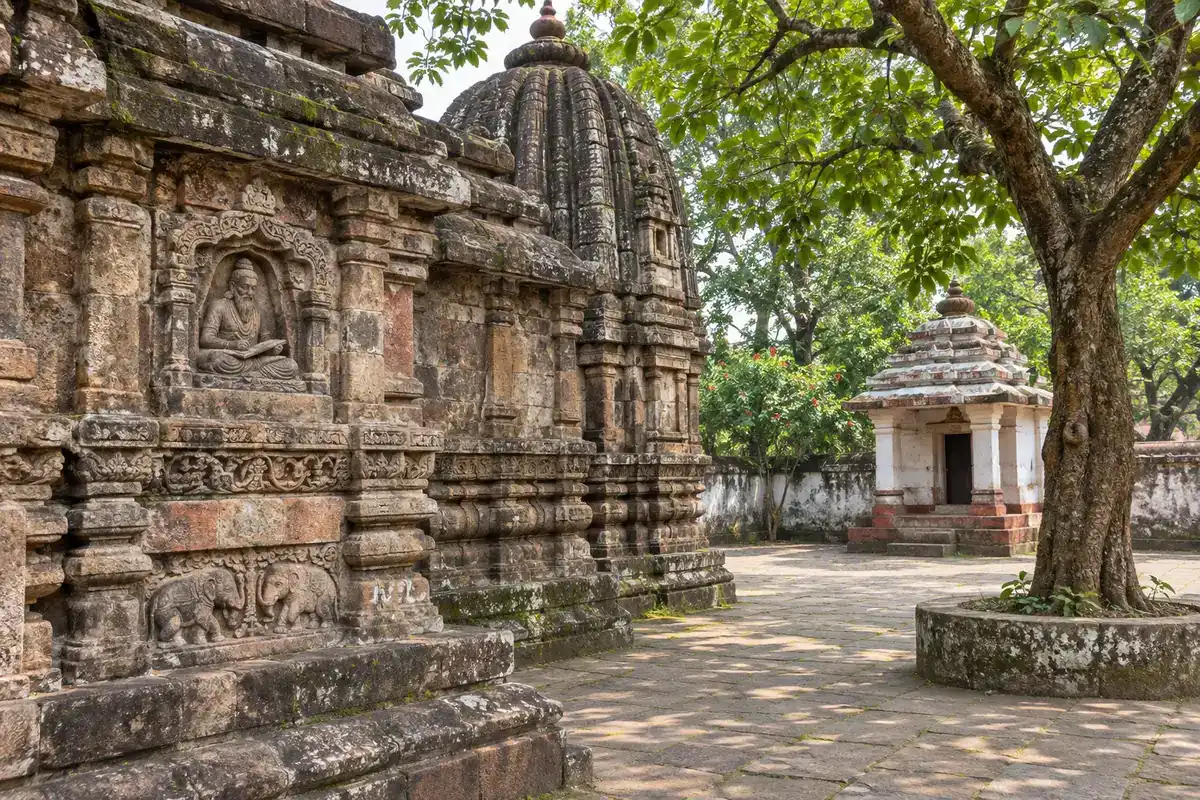
Directly overlooking the riverbank sits the revered Vyasa Cave (Vyasa Gumpha). Reached by climbing a short flight of stone stairs into the rocky hillside, the natural cavern encloses a small stone altar where the sage is said to have sat in continuous meditation.
The interior of the cave remains pleasantly cool even on scorching summer afternoons, insulated by thick granite bedrock. Devotees often sit inside the chamber for quiet introspection, breathing in the scent of burning incense and feeling the resonant quietude that inspired ancient verses.
Outside the cave, a life-sized stone sculpture portrays Maharishi Ved Vyasa in seated contemplation, with his disciple Ganesha nearby recording his spoken words on palm leaves.
Lord Chandrasekhar Shiva Temple and Akhanda Sankirtan Mandap
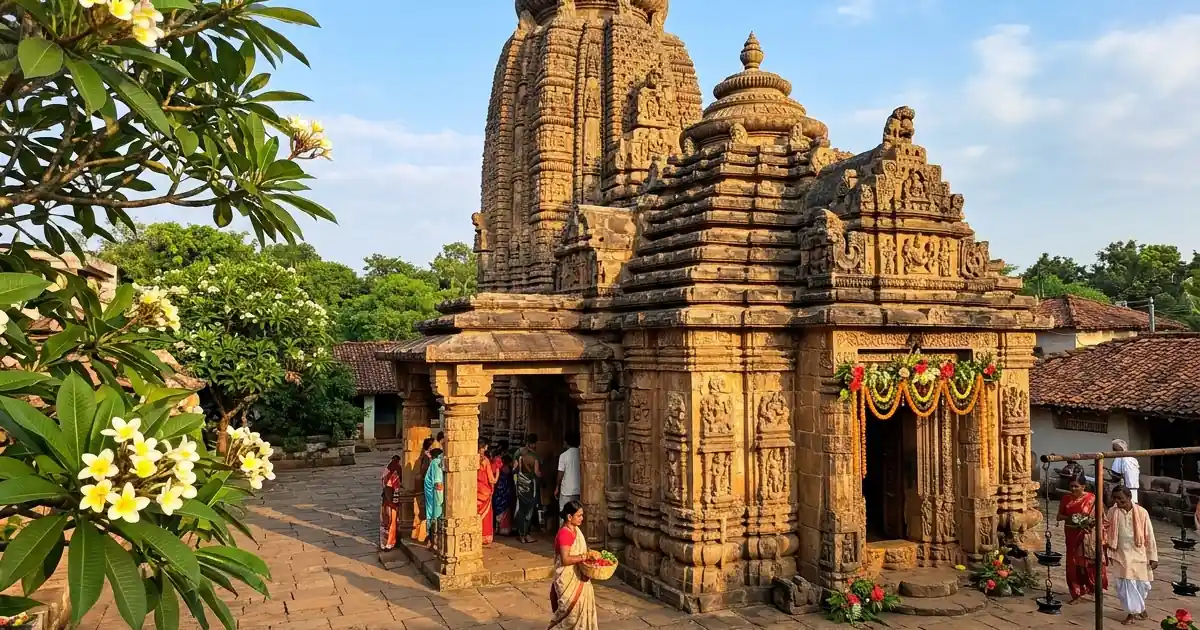
Beside the cave stands the ancient Lord Chandrasekhar Temple, honoring Lord Shiva as the divine patron of the hermitage. The sanctum encloses an ancient swayambhu black stone lingam that has been worshipped continuously for centuries.
Adjoining the main shrine is the famous Akhanda Sankirtan Mandap. In this open pillared pavilion, dedicated devotees have maintained continuous, unbroken vocal chanting of the Hare Krishna Mahamantra day and night without stopping for decades.
The rhythmic beat of mridangas and the chiming of cymbals fill the air with uplifting spiritual energy, creating an inspiring auditory backdrop for visiting travelers.
The Grand Maha Shivaratri Mela & Monastic Gurukul Heritage
While Vedvyas maintains a quiet atmosphere on regular days, the sanctuary transforms into an electrifying spiritual carnival during the annual festival of Maha Shivaratri in February or March.
The celebrated Vedvyas Mela is recognized as one of the largest religious fairs in western Odisha. Over a period of ten days, the open fields and sandbars surrounding the temple are transformed into a lively cultural gathering of pilgrims, ascetics, folk performers, and traders.
Western Odisha’s Landmark Shivaratri Congregation
Hundreds of thousands of devotees arrive by train, bus, and private vehicles to keep a night-long vigil (Jagara). As midnight approaches, thousands of brass lamps are lit simultaneously along the river steps, transforming the water surface into a field of flickering golden light.
The celebration reaches its climax when the sacred Mahadipa is carried to the peak of the temple tower amid roaring collective chants of “Om Namah Shivaya.”
Outside the religious precincts, the mela features large amusement rides, folk theaters, handicraft bazaars, and traditional food stalls serving hot Odia sweets, roasted groundnuts, and regional snacks.
The Vedic Gurukul Sanskrit Vidyalaya and Educational Heritage
Deepening the spiritual atmosphere of Vedvyas is the historic Gurukul ashram established on the campus. Founded to preserve the ancient oral traditions of the Vedas, this residential school educates young students in classical Sanskrit literature, Vedic chanting, astrology, and Hindu philosophy.
Students dressed in traditional saffron dhotis can be seen practicing Vedic recitations along the riverbanks each morning. Their disciplined routine adds a living sense of continuity with the ancient hermitage tradition that first made this confluence famous.
Travel Logistics: How to Reach from Rourkela, Transit & Pairings
Thanks to excellent urban transport links, visiting Vedvyas Temple is remarkably easy from anywhere within the Rourkela metropolitan area. The temple lies directly along the paved Panposh-Vedvyas road, connecting smoothly to the city center and the National Highway 143 bypass.
Whether you travel by city bus, auto-rickshaw, or private cab, the journey takes under half an hour from the main railway junction.
Transit Options from Rourkela Junction and Panposh
The table below outlines common transit connections and estimated journey times to the temple:
| Starting Location | Recommended Transit Mode | Distance | Typical Travel Time | Estimated Fare (INR ₹) |
|---|---|---|---|---|
| Rourkela Railway Station | Pre-paid Auto-Rickshaw or Cab | 12 km | 20 to 25 minutes | ₹150 to ₹250 (auto) |
| Sector-2 / Uditnagar | CRUT Mo Bus Route | 10 km | 25 minutes | ₹20 to ₹35 per seat |
| Panposh Chowk | Local Shared Auto or Rickshaw | 5 km | 10 minutes | ₹30 to ₹50 per ride |
| Rourkela Airport (RRK) | Direct Taxi via Ring Road | 10 km | 20 minutes | ₹200 to ₹300 (cab) |
| Jharsuguda Airport (JRG) | Highway Drive via Biju Expressway | 125 km | 2 hours 15 minutes | ₹2,800 to ₹3,500 (cab) |
Spacious four-wheeler and two-wheeler parking is available directly at the entrance of the temple campus for nominal fees. From the parking zone, a gentle flight of stone stairs leads straight into the main temple courtyard.
Curated Excursion Circuit: Vedvyas, Mandira Dam & Hanuman Vatika
Because Vedvyas sits conveniently in the western suburbs of Rourkela, combining your visit with nearby landmarks creates a balanced full-day travel itinerary:
- Morning at Vedvyas Temple: Arrive early to attend morning aarti, explore the Vyasa cave, and enjoy a quiet walk along the river confluence.
- Midday Excursion to Mandira Dam: Drive 25 kilometers west along the Sankh River to visit Mandira Dam, enjoying covered picnic gazebos and boating against green hill backdrops.
- Afternoon at Hanuman Vatika: Return to the city to visit the famous Hanuman Vatika, home to India’s towering 75-foot statue of Lord Hanuman set inside manicured garden pavilions.
- Southward Adventure to Khandadhar: Travelers with extra time can plan a morning drive south toward Khandadhar Waterfalls or head into the hills at Tensa Nature Camp.
- Cultural Festivals: Visitors arriving during winter can also take part in the lively cultural performances organized during the annual Rourkela City Festival.
Frequently Asked Questions (FAQs)
What is the historical significance of Vedvyas Temple in Rourkela?
Vedvyas Temple is historically significant because regional tradition regards this sacred river promontory as the hermitage of Maharishi Ved Vyasa, who meditated in a natural rock cave here while composing the epic Mahabharata. The complex preserves this ancient cave alongside the medieval Lord Chandrasekhar Shiva temple and a traditional Vedic Gurukul.
Which rivers meet at the Vedvyas confluence in Sundargarh?
The sacred confluence at Vedvyas marks the meeting point of the Shankha River flowing from Jharkhand and the South Koel River descending from the Ranchi plateau, alongside a mystical subterranean stream of the Saraswati River. Their union at this point gives birth to the Brahmani River, the second-longest river system in Odisha.
What are the daily darshan timings and entry fees at Vedvyas Temple?
The temple opens every morning at 6:00 AM and remains accessible to visitors throughout the day until 8:00 PM in the evening without midday closures. Admission to the temple courtyards, the Vyasa cave, and the river bathing ghats is completely free for all pilgrims.
How far is Vedvyas Temple from Rourkela Railway Station and how can travelers reach it?
Vedvyas Temple is situated approximately 12 kilometers west of Rourkela Railway Station along the Panposh Road. Visitors can easily reach the entrance within twenty-five minutes by hiring an auto-rickshaw, boarding a CRUT Mo Bus, or taking a private taxi directly from the station concourse.
What happens during the annual Maha Shivaratri fair at Vedvyas?
During Maha Shivaratri, Vedvyas hosts one of western Odisha’s largest religious fairs, drawing hundreds of thousands of pilgrims who observe day-long fasts and keep an all-night vigil. Devotees take holy cleansing dips at the river confluence, light thousands of earthen lamps along the ghats, and celebrate the midnight raising of the sacred Mahadipa lamp.