Ramachandi Temple & Sea Beach Konark Puri: Guide & Timings
Plan your visit to Ramachandi Temple and Ramchandi Sea Beach near Konark. Discover river confluence views, water sports tariffs, temple timings, and history.
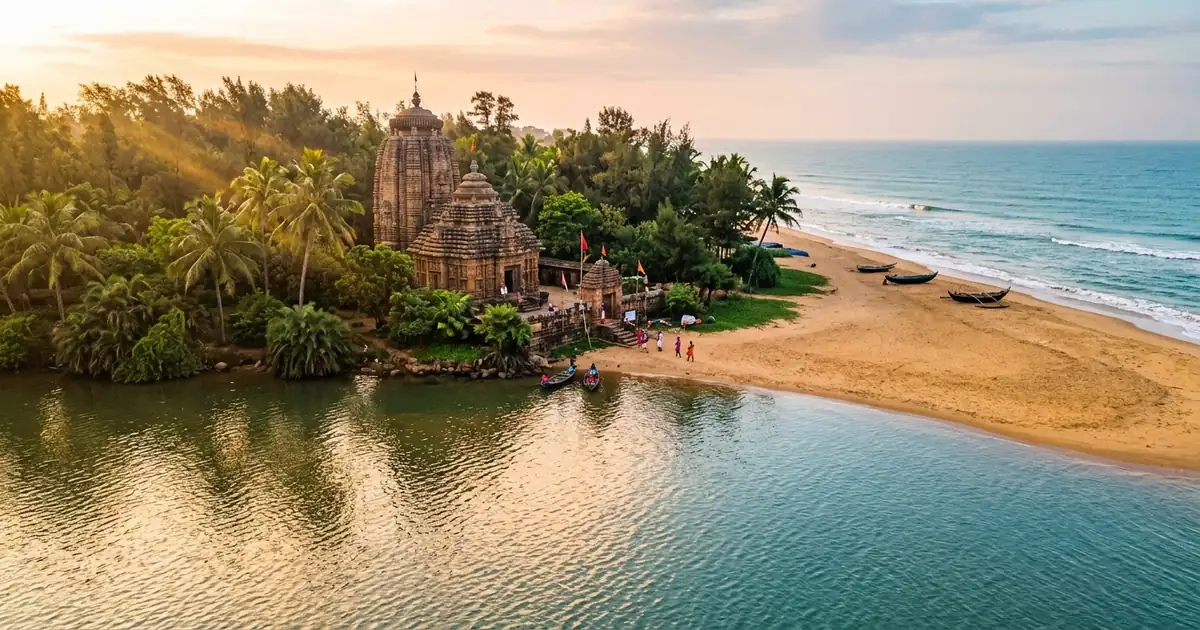
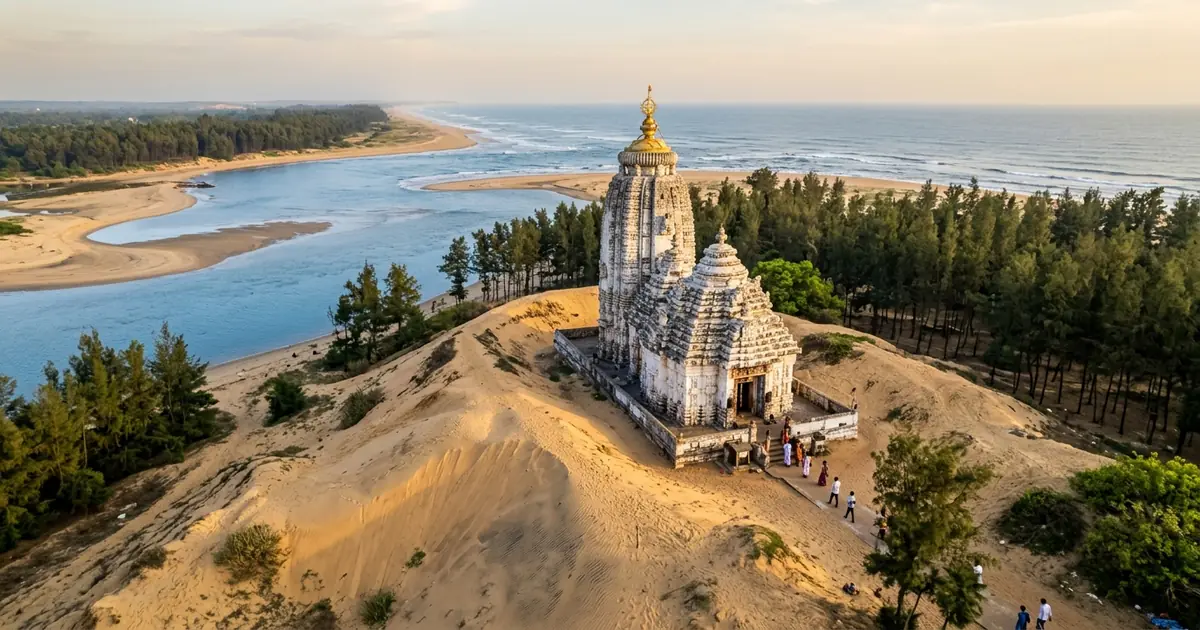
Located along the calm shoreline where the Kushabhadra River meets the Bay of Bengal, the sacred sanctuary of Goddess Ramachandi ranks among the most captivating coastal stops in eastern India. Situated seven kilometers southwest of the legendary Konark Sun Temple, this revered pilgrimage site unites centuries of folklore with open seaside horizons.
Travelers following the coastal highway frequently explore the sacred grounds of ramachandi temple ramchandi sea beach konark puri to experience spiritual tranquility alongside riverfront waters.
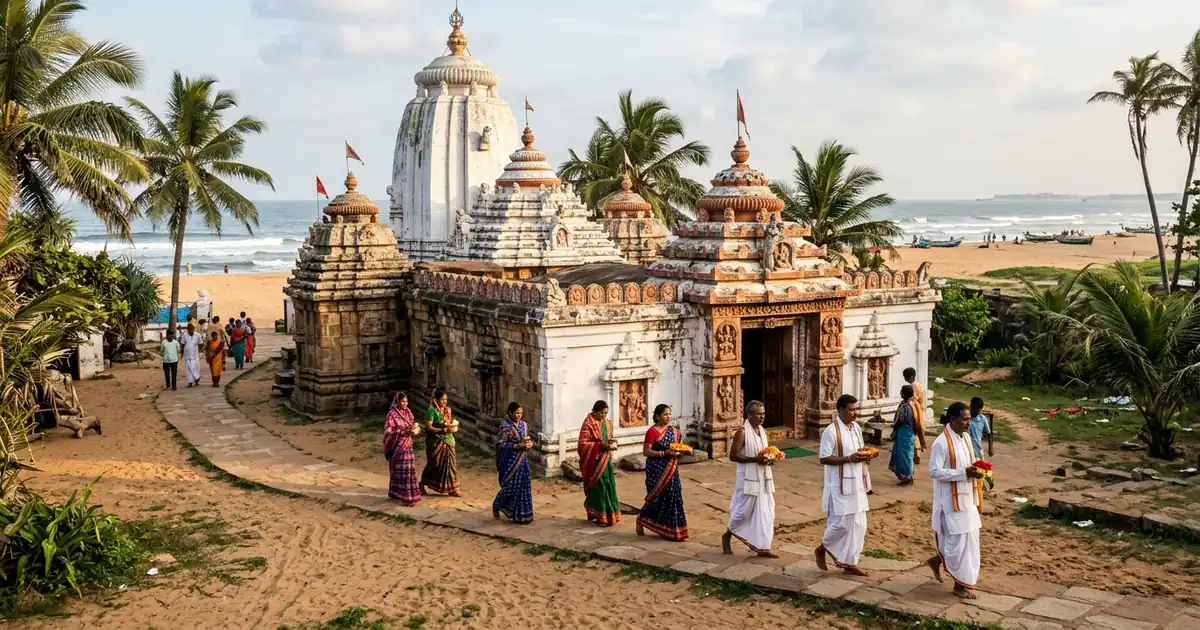
The spot is recognized across coastal Odisha as a sacred Shakti pitha and a well-liked weekend escape. Shaded by thick groves of whistling casuarina pines and golden sand stretches, the historic shrine has long served as a peaceful alternative to crowded tourist trails across Puri district. Devotees arrive to seek blessings from the Mother Goddess, while holidaymakers gather for river boating and leisurely beach walks.
Exploring this coastal corridor connects ancient Kalinga heritage with seaside adventure. Pilgrims visiting puri konark circuit find that this peaceful river mouth sanctuary complements famous temples in Odisha and other key places to visit in Puri.
For travelers comparing coastal spots, a quick review of ramachandi beach vs chandrabhaga beach reveals that Ramachandi specializes in calm boating and water sports, while Chandrabhaga is famed for its sweeping sunrise horizon. The complex is also known regionally as the famous ramachandi mandir konark.
Key Takeaways
- Sacred Confluence: Historic Shakti shrine perched precisely where the Kushabhadra River meets the Bay of Bengal.
- Prime Location: Located along the Puri-Konark Marine Drive, 7 km southwest of Konark and 27 km from Puri.
- Free Public Entry: Temple darshan and public beach access are completely free throughout daylight hours.
- Adventure Water Sports: Offers authorized river boating, jet skiing, speedboats, and seasonal parasailing.
- Vital Safety Advisory: Sea swimming at the dynamic river mouth is strictly prohibited due to strong ocean currents.
Ramachandi Temple and Beach at a Glance: Timings, Location & Overview
Planning an excursion along the Puri to Konark corridor requires practical knowledge of daily puja schedules and daylight access windows. The shrine remains open to pilgrims from dawn until post-sunset aarti, offering an unhurried sacred experience.
The temple compound borders an expansive sandy bank shaded by towering casuarina trees. Because the sanctuary sits directly beside the calm waters of the river mouth, visitors frequently pair morning worship with waterfront strolls.
The daily operating hours for darshan and beach recreation remain steady across seasons. The following table provides the verified operational details for visitors per Odisha Tourism:
| Operational Dimension | Visitor Information |
|---|---|
| Temple Name | Goddess Ramachandi Temple (Maa Ramachandi Pitha) |
| Presiding Deity | Goddess Ramachandi (Incarnation of Goddess Chandi / Durga) |
| Geographic Location | Kushabhadra River Estuary, Marine Drive Road, Konark |
| Administrative District | Puri District, Odisha |
| Temple Darshan Hours | 6:00 AM to 6:00 PM (Open all seven days) |
| Beach Access Hours | 5:00 AM to 6:00 PM daily |
| Public Admission Fee | Free entry for all devotees and tourists |
| Water Sports Counter | 8:00 AM to 5:00 PM (Subject to weather and tidal status) |
| Nearest Landmark | Konark Sun Temple (7 km northeast) |
| Nearest Railhead | Puri Railway Station (28 km southwest) |
Visiting during early morning hours provides the clearest visual atmosphere. Cool sea winds blow through the pine canopy while morning chants echo across the water, creating a contemplative setting before tour coaches arrive from nearby Chandrabhaga Beach.
Estuary Geography: Where River Meets the Bay of Bengal
The distinctive appeal of this destination stems from its unusual physical geography. Unlike typical open surf zones, Ramachandi provides a sheltered natural lagoon formed by the curving mouth of the Kushabhadra River.
This natural spit isolates the inner waters from turbulent breakers, creating a calm basin suited for wooden country craft and motorized speed boats. The outer sandbar faces the blue Bay of Bengal directly, presenting uninterrupted maritime horizons that extend southwest toward Puri Beach.
Mythological Origin and Legend of Kalapahad at Ramachandi
The folklore surrounding Maa Ramachandi is deeply interwoven with the dramatic history of medieval Odisha. According to local religious belief, Goddess Ramachandi has long stood as the supreme guardian deity of Arka Kshetra, the sacred solar realm surrounding Konark.
Puranic lore explains that without first paying respect to the presiding Mother Goddess at the river mouth, a pilgrimage to the great Sun Temple was traditionally considered incomplete.
Local oral tradition recounts the turbulent period of the sixteenth century, when the invading general Kalapahad marched across coastal Odisha seeking to dismantle major Hindu monuments. Having inflicted damage on portions of the Sun Temple, his forces turned toward the revered sanctuary of Ramachandi.
The legend narrates that the Goddess disguised herself as a humble milkmaid or water-bearer carrying an earthen pitcher, stepping past the general outside the sanctum gates. When questioned, she promised to return immediately after drawing fresh water from the river.
As Kalapahad waited at the entrance, he eventually realized the divine trick. By the time he reached the riverbank, the Mother Goddess had submerged her murti deep into the flowing currents of the Kushabhadra, placing her sacred form forever beyond desecration.
Devotees believe the idol remained protected beneath the sacred waters until local fishermen and pious residents retrieved the deity following divine instructions received in a dream. A stone temple was subsequently erected upon the high river terrace, where the deity continues to receive devout veneration.
Architectural Layout and Sacred Sanctum Features
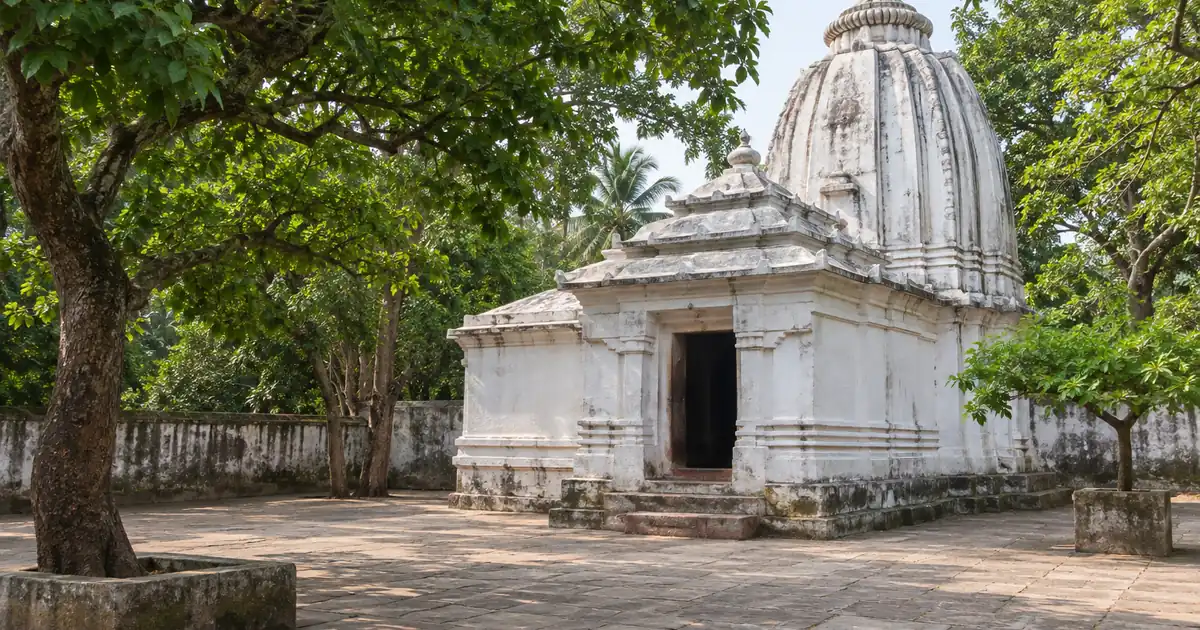
The architectural form of the Ramachandi sanctuary adheres to traditional Kalinga principles documented by the Archaeological Survey of India. Constructed primarily from weathered khondalite stone, dense laterite, and medieval masonry, the shrine displays a modest yet imposing footprint.
The north-facing complex features a curvilinear vimana sanctum tower accompanied by a low-slung jagamohana assembly hall. An open-air mandapa pavilion in front allows devotees to gather comfortably for community kirtans and festival rituals.
Inside the sanctum, the presiding murti of Goddess Chandi rests gracefully atop a sculpted blooming lotus pedestal. The four-armed deity exudes maternal grace while displaying traditional weapons symbolic of cosmic protection.
Daily offerings consist of fresh marigold garlands, red hibiscus blossoms, holy basil, and regional sweet pitha delicacies prepared by resident servitors. The temple grounds retain an authentic, uncommercialized atmosphere reminiscent of coastal Odisha village shrines.
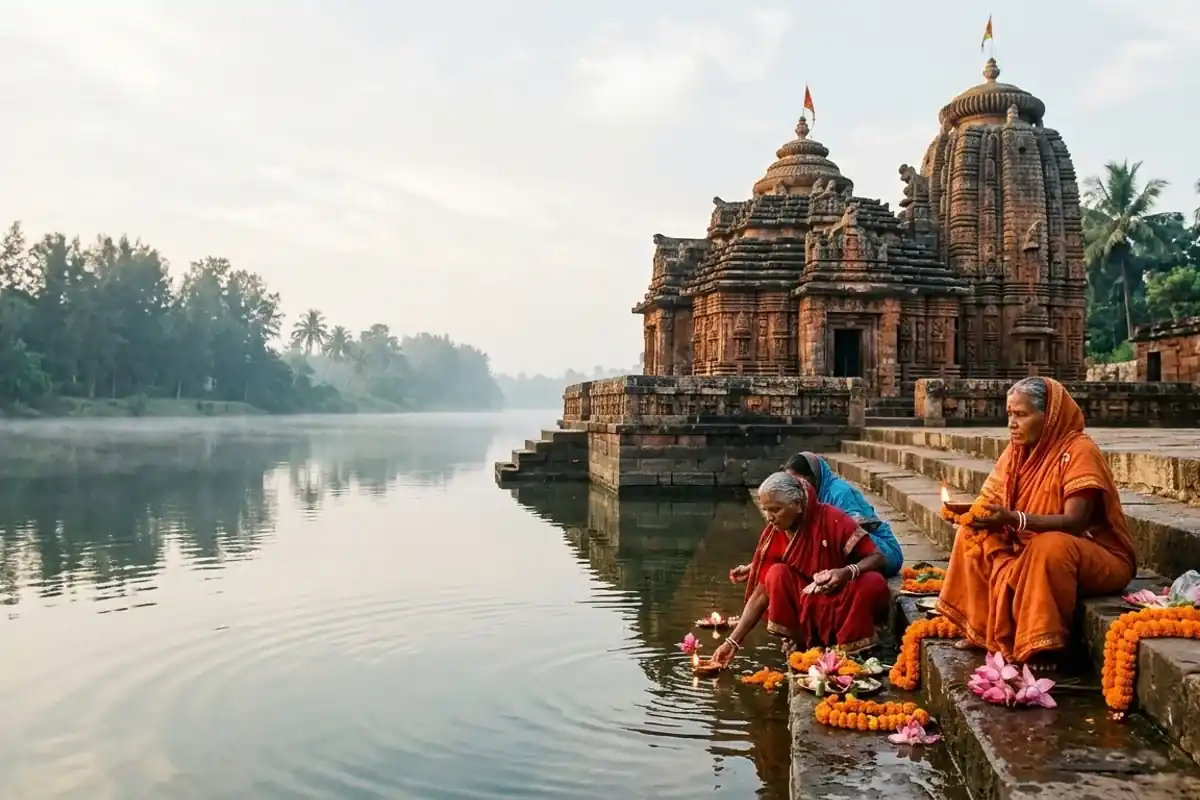
Pilgrims often circumambulate the inner sanctuary before stepping onto the stone embankments leading down to the river ghats. Modest clothing covering shoulders and knees follows customary temple dress code guidelines as a mark of respect for local customs.
Ramachandi Beach: Water Sports, Boating & Outdoor Activities
Beyond its spiritual sanctity, Ramachandi Beach has emerged as an active aquatic leisure destination in coastal Odisha. The placid backwaters of the Kushabhadra River provide a naturally calm expanse of water, offering reliable conditions for motorized boating without the violent swell of open breakers.
Local operators managed in coordination with tourism initiatives offer diverse water sports activities from an organized counter near the riverbank.
Visitors can select from tranquil family sightseeing cruises or fast-paced rides across the estuarine waters. The table below details common water activities and indicative tariff ranges:
| Water Activity | Description & Route | Indicative Price Range (Per Person) |
|---|---|---|
| Estuary Boat Cruise | Scenic motorized ride along mangrove fringes and sandbars | ₹300 to ₹500 |
| Private Country Boat | Hand-rowed leisurely ride along quiet river inlets | ₹400 to ₹600 per boat |
| Jet Ski Ride | Guided high-speed circuit along designated lagoon channel | ₹600 to ₹1,000 |
| Speed Boat Sprint | Fast-paced group cruise across the river mouth basin | ₹400 to ₹700 |
| Banana & Sofa Rides | Multi-passenger towed inflatable ride in calm waters | ₹350 to ₹600 |
| Seasonal Parasailing | Towed ascent providing aerial views of river and sea | ₹1,200 to ₹1,800 |
All commercial water activities require certified life jackets, which are supplied directly at the embarkation counter. Water sports operate exclusively during daylight hours and are immediately halted if tidal currents become turbulent or if strong weather advisories are issued.
Casuarina Groves for Picnics and Photography
The surrounding shoreline is populated by dense forests of tall casuarina trees planted to shield the coast from storm winds. These woodland belts provide deep shade, making the beach a beloved weekend picnic spot for families traveling from Puri and Bhubaneswar.
Photographers prize the location for its exceptional sunrise reflections, when warm morning light illuminates the still river mirror against dark silhouettes of anchored fishing dinghies.
How to Reach Ramachandi Temple from Puri, Konark and Bhubaneswar
Reaching Ramachandi is straightforward thanks to its position on the well-maintained Puri-Konark Marine Drive highway. The roadway is widely regarded as one of the smoothest coastal driving corridors in eastern India.
The highway winds past coconut plantations, bridge crossings, and maritime scrub forests, offering an easy motoring experience for both two-wheelers and four-wheelers.
The table below outlines travel distances, typical driving durations, and recommended transit modes from regional travel hubs:
| Origin Point | Highway Distance | Typical Transit Time | Recommended Transit Mode |
|---|---|---|---|
| Konark Sun Temple | 7 km southwest | 10 to 12 minutes | Auto-rickshaw, rental scooter, or taxi |
| Puri Town / Railway Station | 27 km northeast | 35 to 45 minutes | Marine Drive taxi, private car, or local bus |
| Chandrabhaga Beach | 10 km southwest | 15 minutes | Auto-rickshaw or coastal drive |
| Bhubaneswar Airport (BPIA) | 72 km south | 1 hour 45 minutes | State highway cab via Pipili and Nimapada |
| Cuttack City | 98 km south | 2 hours 15 minutes | National highway route via Bhubaneswar |
Public transport buses running between Puri and Konark operate regularly along Marine Drive. Passengers can request drop-offs directly at the Ramachandi junction, followed by a short three-minute walk to the temple complex.
Spacious parking areas are available near the entrance for two-wheelers and private tourist vehicles, requiring nominal municipal parking fees during peak holiday periods.
Crucial Visitor Advice, Safety Warnings & Best Time to Visit
To enjoy a pleasant and safe visit to Ramachandi, travelers should observe several key regional guidelines and safety protocols.
Foremost among these is water safety. While the inner river estuary appears deceptively calm and inviting, the actual point where the Kushabhadra meets the Bay of Bengal produces sudden drop-offs and potent undertows.
[!WARNING] Strict Water Safety Precaution: Never attempt to swim or wade into the open sea at the river confluence. Shifting underwater sandbanks and fierce rip currents make swimming hazardous. Confine water recreation strictly to authorized boating operators in designated calm zones while wearing certified life jackets.
The ideal travel season spans the cool winter months from October through March. During this period, pleasant daytime temperatures ranging between 18°C and 28°C create comfortable conditions for outdoor beach picnics and boat excursions.
In contrast, the pre-monsoon summer months from April through June bring high humidity and midday heat, making early morning or late afternoon visits much more comfortable.
During the autumn festival season, the temple celebrates the auspicious Sola Puja and Durga Puja with grand devotion. Special midnight rituals and ceremonial offerings draw thousands of devotees from neighboring farming villages and coastal fishing hamlets.
Visitors should note that while photography is welcome throughout the beach and outer garden grounds, snapping photographs inside the inner sanctum is prohibited to maintain ritual sanctity.
Frequently Asked Questions (FAQs)
What are the daily darshan timings at Ramachandi Temple?
Ramachandi Temple is open for public darshan daily from 6:00 AM to 6:00 PM without any afternoon closures. Devotees are encouraged to visit during the morning or evening aarti to experience traditional puja rituals.
Is Ramachandi Beach safe for swimming in the sea?
Swimming directly in the sea at the Kushabhadra river mouth is strictly prohibited due to dangerous rip currents and shifting sandbars. Visitors should enjoy waterfront walks and confine aquatic fun to authorized boating in calm inland channels.
How far is Ramachandi Temple from Konark Sun Temple?
The temple is located approximately seven kilometers southwest of the Konark Sun Temple along the scenic Puri-Konark Marine Drive. The journey takes only ten to twelve minutes by private vehicle, taxi, or local auto-rickshaw.
What water sports activities are available at Ramachandi Beach?
Visitors can enjoy estuary boat cruises, private country boat rides, jet skiing, speedboats, and seasonal banana boat rides. All aquatic activities are conducted with mandatory life vests under the supervision of registered local operators.
Is there an entry fee to visit Ramachandi Temple and Beach?
Admission to both the temple compound and the surrounding public beach is completely free for all visitors. Charges apply only for optional adventure water sports, boat cruises, and vehicle parking in designated bays.
What is the historical legend connecting Goddess Ramachandi and Kalapahad?
Folklore narrates that Goddess Ramachandi escaped the sixteenth-century invader Kalapahad by disguising herself as a water maid and submerging her idol into the river. Devotees subsequently retrieved the sacred murti and established the present sanctuary on the riverbank.