Chandaka Dampada Wildlife Sanctuary: Safari & Guide
Discover Chandaka Dampada Wildlife Sanctuary in Khordha. Explore elephant corridors, Godibari Nature Camp, Deras Dam, safari timings, and visitor tips.
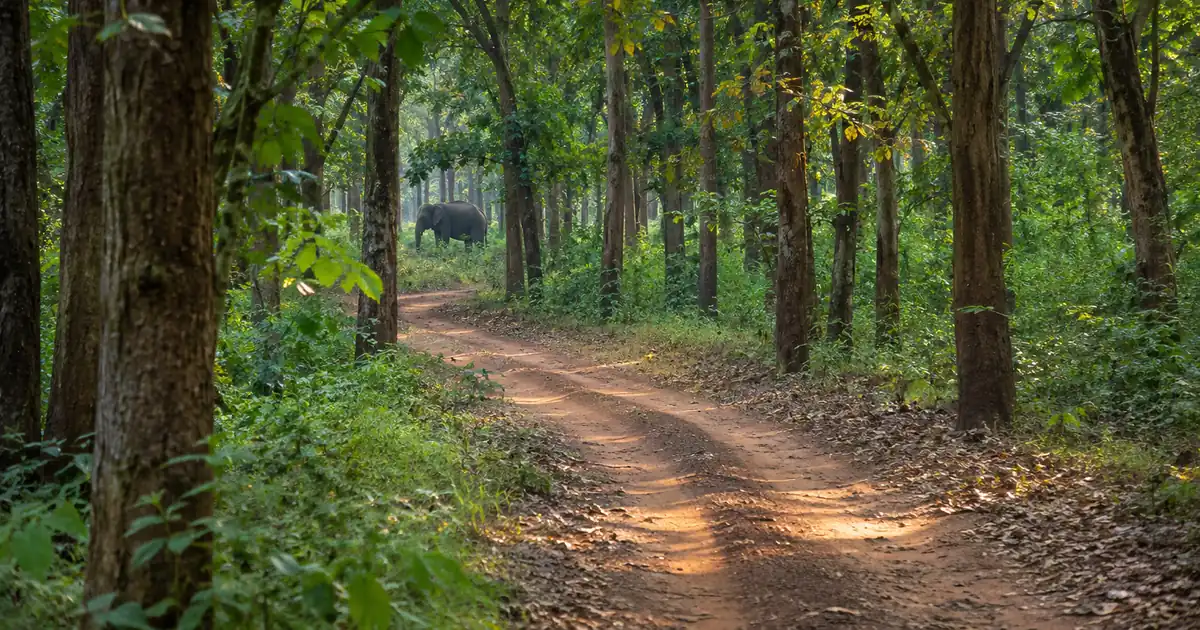
Located along the northwestern boundary of the capital city, Chandaka Dampada Wildlife Sanctuary Khordha represents one of the most critical ecological green spaces in eastern India. As highlighted in our Khordha district travel guide, this protected forest reserve functions as an essential elephant refuge and biological buffer against rapid urban expansion.
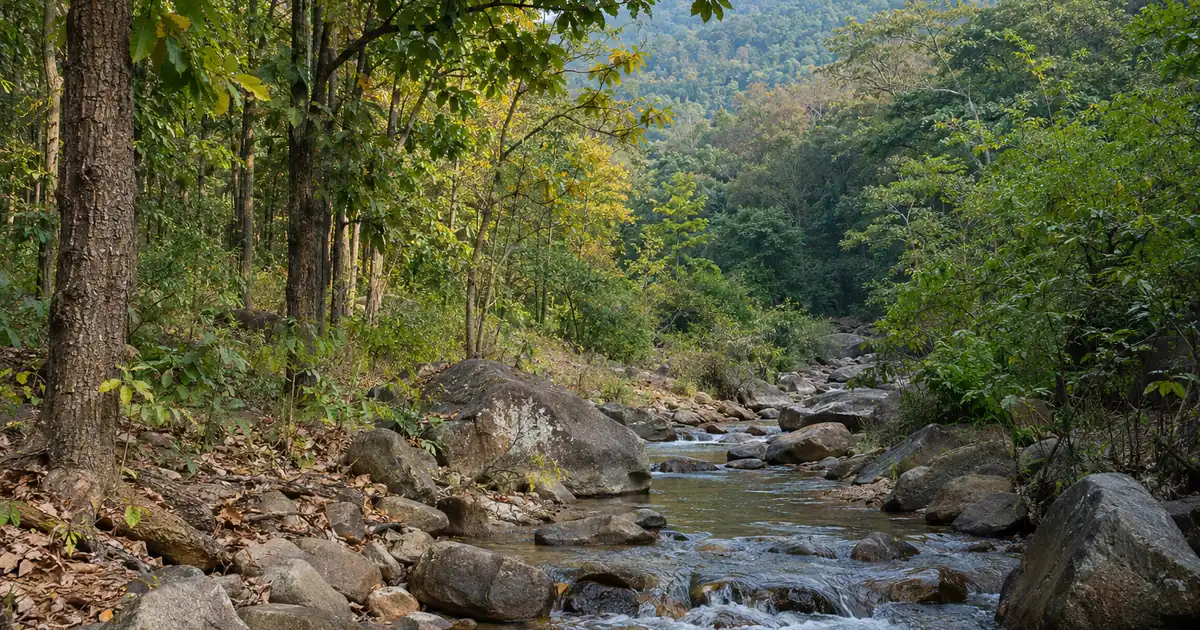
Spanning over 193.39 square kilometers of undulating hill tracts, the sanctuary preserves native sal woodlands, bamboo thickets, and two expansive freshwater reservoirs. Travelers visiting Chandaka discover guided open-vehicle safaris, elevated canopy walkways, overnight eco-cottages, and quiet forest watchtowers located just twenty kilometers from downtown Bhubaneswar.
Key Takeaways
- Sanctuary Area: Established in 1982 across 193.39 square kilometers of semi-evergreen and moist deciduous forest.
- Key Entry Portals: Godibari Gate (main interpretation center and canopy walk), Bharatpur Gate (open safari drives), and Deras Gate (reservoir access).
- Flagship Fauna: Asian elephants, leopards, spotted deer, wild boars, Indian pangolins, and over one hundred and twenty avian species.
- Eco-Tourism Stays: Fully furnished eco-cottages and bamboo huts available at Godibari and Deras through EcoTour Odisha.
- Visiting Windows: Open daily from 6:00 AM to 5:30 PM with prime wildlife movement during early morning and late afternoon hours.
Quick Facts & Sanctuary Profile
The reference table below provides essential planning details for exploring Chandaka-Dampara. For visitors scheduling an early morning birdwatching tour or a weekend stay at an eco-cottage, these specifications will help organize your trip logistics efficiently.
| Feature | Sanctuary Specification |
|---|---|
| Location | Godibari, Chandaka Forest Range, Khordha District, Odisha |
| Geographic Coordinates | 20.3542° N, 85.7486° E |
| Total Protected Area | 193.39 square kilometers |
| Year of Notification | 1982 (notified primarily for Asian elephant protection) |
| Forest Types | North dry mixed deciduous and tropical semi-evergreen |
| Distance from Bhubaneswar | 20 km (40 minutes via Chandaka Road) |
| Distance from Cuttack | 28 km (50 minutes via Trisulia and Baranga) |
| Distance from BPI Airport | 22 km (45 minutes drive) |
| Operating Hours | 6:00 AM to 5:30 PM (entry permits issued until 4:30 PM) |
| General Admission | INR 40 per adult, INR 20 per child; vehicle fees apply |
| Best Travel Season | October through March |
Overview: Capital’s Historic Elephant Sanctuary
During the early 1980s, accelerating infrastructure growth around Bhubaneswar and Cuttack threatened natural migration corridors traditionally used by Asian elephants moving between the Eastern Ghats and the Mahanadi River valley. To safeguard this population, the state government established the Chandaka-Dampara Wildlife Sanctuary in December 1982.
Official wildlife management protocols and visitor advisories are published on the Odisha Tourism Portal. Advance cottage reservations and safari tickets are managed through EcoTour Odisha.
Over four decades of dedicated protection have allowed degraded scrubland to regenerate into a dense multi-tier canopy. While elephant numbers vary seasonally as herds navigate regional corridors, the sanctuary remains an invaluable peri-urban biosphere that recharges regional water tables and provides refuge to diverse wildlife.
| Entry Gate | Geographic Sector | Primary Attractions |
|---|---|---|
| Godibari Gate | Northern Hub | Nature interpretation center, medicinal plant nursery, canopy walkway, bamboo cottages |
| Bharatpur Gate | Southern Gateway | Open eight-seater jeep safari routes, watchtower viewing platforms, elephant trails |
| Deras Reservoir Gate | Central Water Basin | Earthen dam embankments, picnic grounds, lakeside cottages, waterbird observation points |
| Jhumka Reservoir Gate | Western Periphery | Secluded forest reservoir, photography hideouts, trekking paths |
Choosing the appropriate entry gate allows travelers to tailor their trip to hiking, wildlife safaris, or peaceful lakeside relaxation.
Sanctuary Zones: Gates, Reservoirs, and Watchtowers
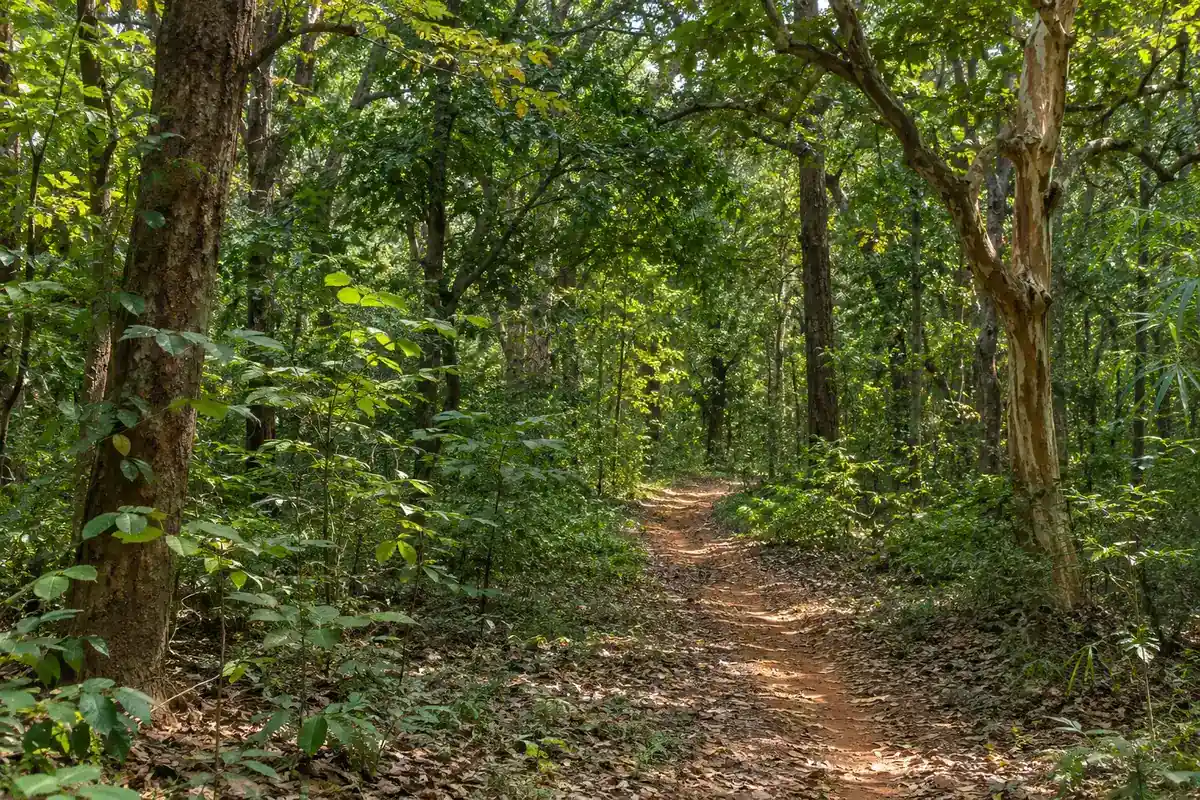
The sanctuary landscape features low rolling hills, sandstone outcrops, and shallow valleys that channel seasonal rainwater into two large artificial reservoirs.
Godibari Eco-Tourism Complex
Godibari serves as the administrative and educational hub of the sanctuary. It features an interactive orientation museum that educates children on elephant conservation and forest ecosystems.
A sturdy wooden canopy walkway allows visitors to stroll among upper tree branches, observing woodpeckers, hornbills, and flowering creepers from eye level. The complex also houses bicycle rental facilities for designated interior tracks.
Deras and Jhumka Water Bodies
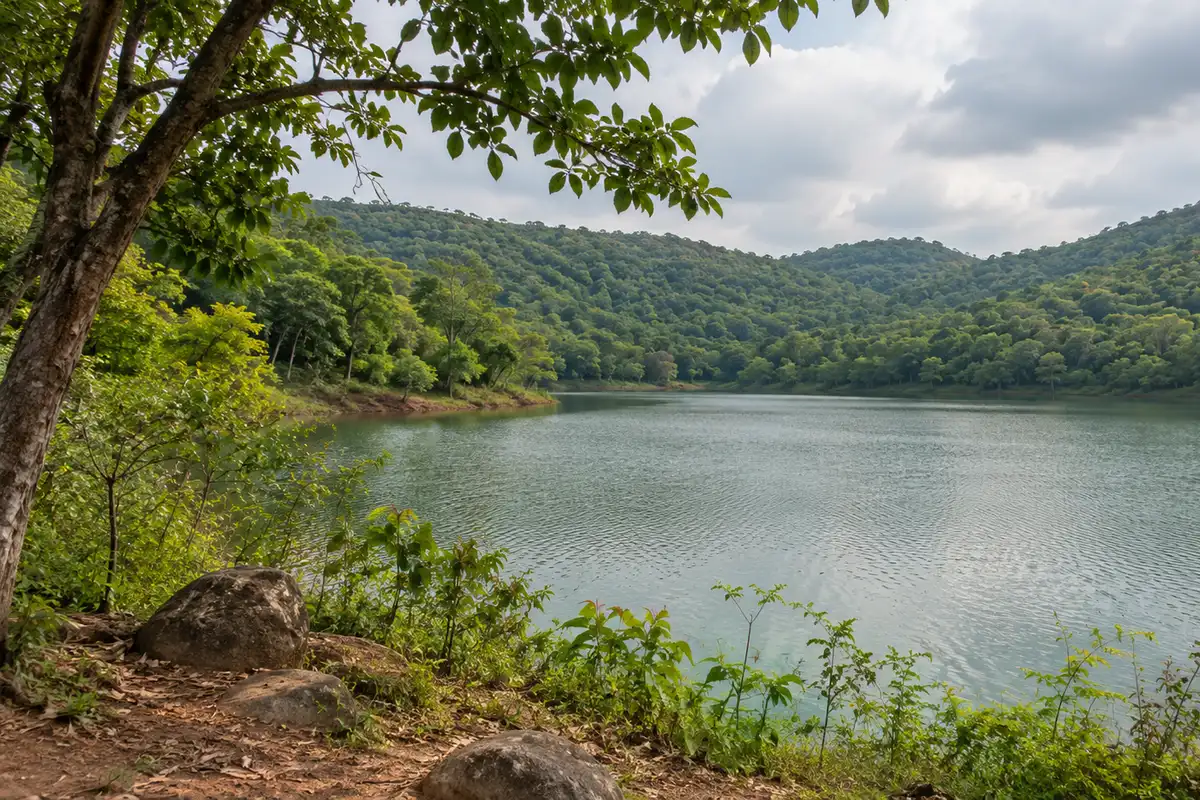
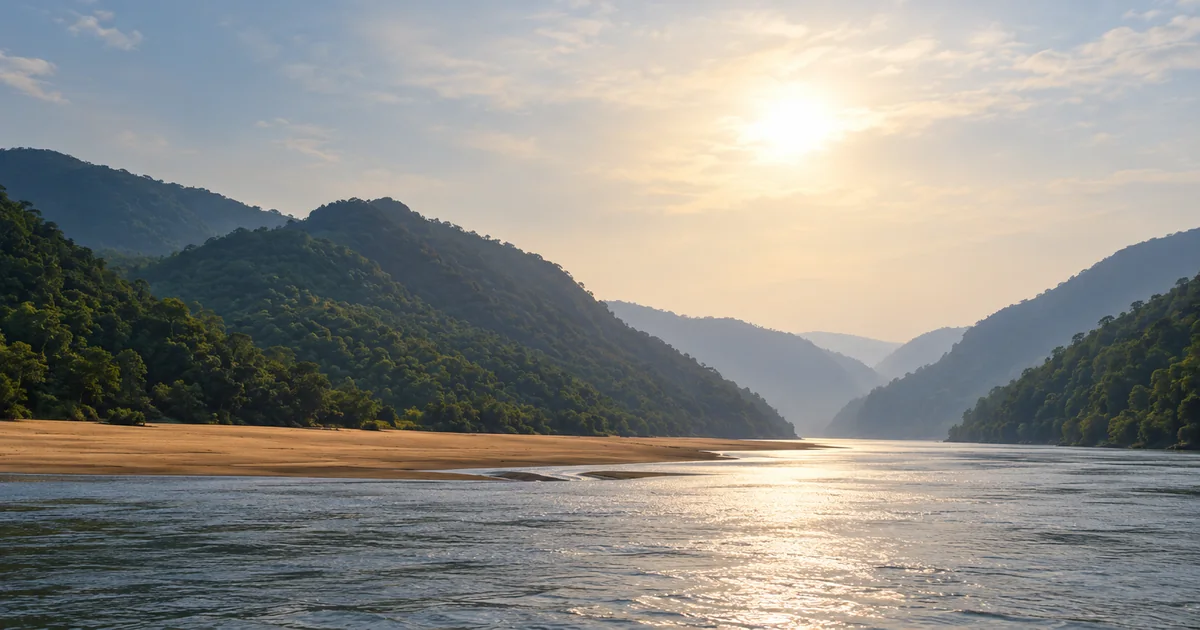
Situated within the deep forest interior, the tranquil waters of Deras Dam and neighboring Jhumka Dam provide vital year-round water for elephants and herbivores.
Surrounded by steep sal-covered knolls, these reservoirs offer scenic settings for landscape photography. The Forest Department has installed watchtowers near the water edge at Kumarkhunti and Ambakhali, giving visitors elevated viewpoints to watch wild animals arriving at dusk.
Wildlife and Biodiversity: Elephants, Leopards, and Birds
Despite its proximity to modern urban centers, Chandaka shelters an impressive spectrum of terrestrial and avian wildlife.
Flagship Mammals
- Asian Elephant (Elephas maximus): The flagship resident of the reserve. Small family groups and solitary bulls move between water sources during early morning and twilight hours.
- Leopard (Panthera pardus): Stealthy predators that navigate rocky ridges and prey on deer, wild boars, and feral animals.
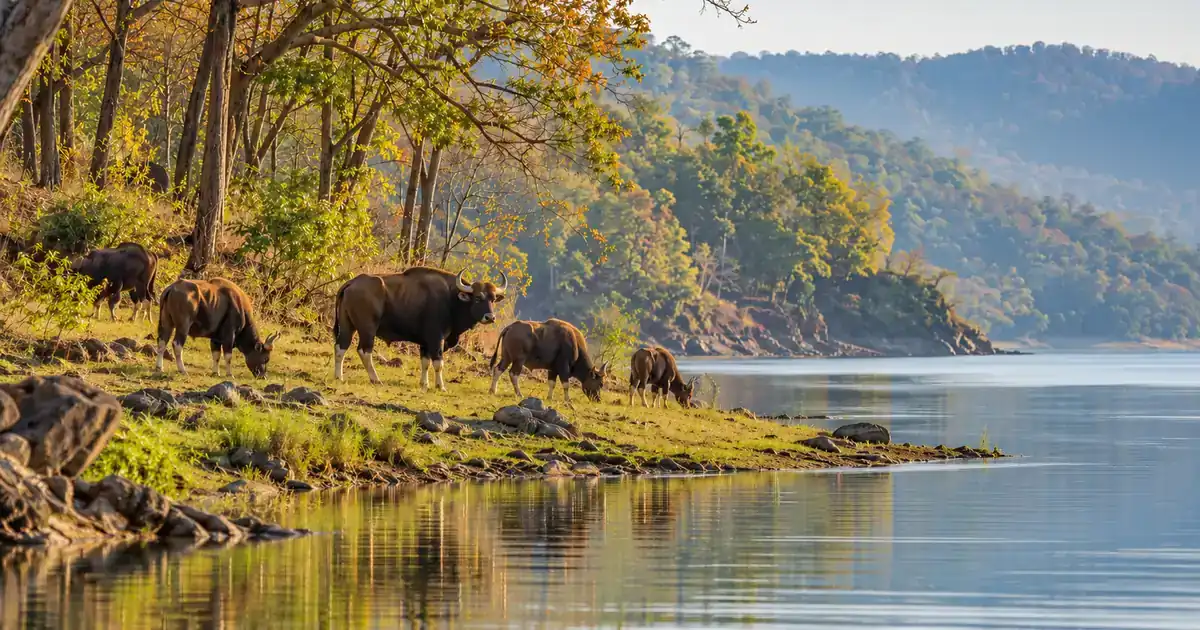
- Herbivores: Sizable populations of chital (spotted deer), barking deer, and wild boar feed across grassy clearings and bamboo groves.
- Small Carnivores: Jungle cats, golden jackals, striped hyenas, and common mongooses play critical ecological roles across the woodland understory.
Avian and Reptilian Diversity
Birdwatchers have identified over one hundred and twenty species inside the sanctuary basin. Common resident species include the Indian peafowl, red junglefowl, crested serpent eagle, black-hooded oriole, and Asian paradise flycatcher.
During the migratory winter months, waterfowl including cotton pygmy geese, lesser whistling ducks, and bronze-winged jacanas gather across the shallow coves of Deras and Jhumka dams. Reptiles include the Indian rock python, monitor lizard, and checkered keelback.
Eco-Tourism Activities: Safaris, Trails, and Canopy Walks
Chandaka offers a wide range of nature-focused activities designed to minimize environmental disruption while providing immersive outdoor recreation.
Open Jeep Safari Drives
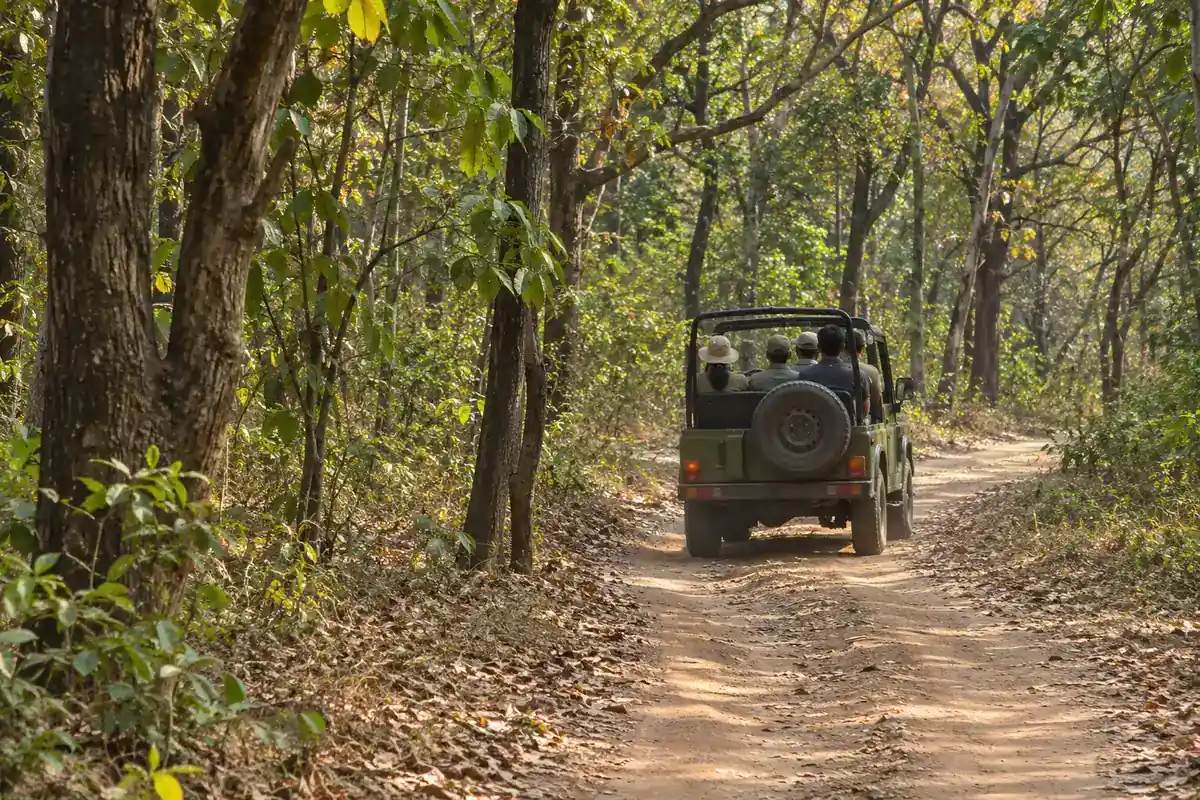
Visitors entering through the Bharatpur gate can reserve an open jeep safari at Bharatpur Chandaka. Customized vehicles travel along a sixteen-kilometer circular forest track, with trained forest guides pointing out fresh animal tracks and territorial markings.
Nature Trails and Cycling
For active travelers, Godibari offers marked walking trails that wind through bamboo groves and herbal plantations. Designated dirt tracks are open for mountain bicycling, giving visitors a quiet and zero-emission method to explore the forest buffer zone.
Overnight Forest Stays
EcoTour Odisha operates comfortable cottages at both Godibari and Deras Dam:
- Godibari Eco-Cottages: Air-conditioned wooden cottages set among flowering gardens, complete with dining halls serving local Odia cuisine.
- Deras Eco-Suites: Water-facing cottages offering panoramic sunset views across the reservoir.
Advance booking on the official web portal is required, especially for travel between November and February.
Entry Timings, Safari Tariffs, and Booking
The sanctuary operates standard daily shifts to manage visitor volume and protect animal rest periods.
| Activity / Facility | Operating Timings | Tariff (INR) |
|---|---|---|
| Day Visitor Entry | 6:00 AM to 5:30 PM | INR 40 per adult, INR 20 per child |
| Open Jeep Safari (8-Seater) | 6:00 AM to 10:00 AM & 3:00 PM to 5:30 PM | INR 2,000 per vehicle plus entry permits |
| Canopy Walk Ticket | 8:00 AM to 5:00 PM | INR 25 per visitor |
| Bicycle Rental (Godibari) | 8:00 AM to 4:00 PM | INR 50 per hour |
| Overnight Cottage Stay | Check-in 12:00 PM / Check-out 10:00 AM | INR 3,000 to 4,500 per night (includes meals) |
Tickets can be obtained at the respective entrance counters, while overnight accommodations must be confirmed via ecotourodisha.com.
How to Reach Chandaka Wildlife Sanctuary
Reaching Chandaka is straightforward due to its location on the edge of the twin cities of Bhubaneswar and Cuttack.
Driving Routes from Bhubaneswar
- Via Khandagiri: Drive northwest along the Khandagiri-Chandaka four-lane corridor through Ghatikia to reach Godibari in 35 minutes (20 km).
- Via Patia & KIIT: Head west along the Infocity-Chandaka road past Kalarahanga to enter the sanctuary periphery in 25 minutes (15 km).
From Cuttack
Travelers from Cuttack cross the Netaji Subhas Chandra Bose Bridge at Trisulia, taking the Baranga-Chandaka highway south to reach Godibari gate in approximately forty-five minutes (28 km).
CRUT Mo Bus routes run from Master Canteen and Baramunda bus terminals to Chandaka Square, from where shared or private auto-rickshaws cover the final three kilometers to the forest entrance.
Sanctuary Guidelines and Wildlife Safety Rules
Because Chandaka is an active elephant habitat, visitors must prioritize safety and follow all forest department directives.
[!WARNING] Never walk alone on unpaved interior trails after 5:00 PM. Elephants frequently cross access roads when moving toward watering reservoirs during twilight hours.
Essential Visitor Rules
- Zero Plastic Tolerance: Discarding plastic bottles, food wrappers, or polythene bags inside the forest is strictly penalized.
- No Horns or Music: Do not honk vehicle horns or play loud sound systems anywhere within the sanctuary perimeter.
- Fire Safety: Lighting campfires, discarding matchsticks, or smoking inside forest zones is strictly prohibited.
- Safe Wildlife Distance: If you encounter wild elephants on the road, stop your vehicle, remain inside, keep headlights dipped, and wait quietly for the animals to cross. Never honk or rev your engine.
Nearby Attractions in the Khordha Green Belt
A visit to Chandaka combines naturally with multiple historical and nature destinations across western Khordha. Travelers can design full-day outings that integrate ancient heritage caves with quiet forest wildlife sanctuaries.
Nandankanan Zoological Park
Located eight kilometers northeast along Kanjia Lake, the Nandankanan Zoological Park conservation facility is internationally renowned for captive white tiger breeding, safaris, and a large botanical pavilion.
Udayagiri and Khandagiri Caves
Situated ten kilometers southeast along the city entry road, the ancient rock carvings at Udayagiri and Khandagiri Caves feature two-thousand-year-old rock architecture and royal epigraphs dating to Emperor Kharavela.
Regional Heritage and Wilderness
Tourists can explore the broader circuit of top tourist places to visit in Bhubaneswar or compare Chandaka’s peri-urban conservation with the northern biosphere of expansive biosphere of Similipal Tiger Reserve. Combining these landmarks ensures a deeply rewarding understanding of Odisha’s natural and cultural wealth.
Frequently Asked Questions About Chandaka Sanctuary
Where is Chandaka Dampada Wildlife Sanctuary located?
Chandaka Dampada Wildlife Sanctuary is located along the northwestern fringe of Bhubaneswar in Khordha district. The primary entrance gate at Godibari sits roughly twenty kilometers from central Bhubaneswar and twenty-eight kilometers from Cuttack.
Why was Chandaka notified as a wildlife sanctuary?
Chandaka was notified as a sanctuary in 1982 to protect resident Asian elephants whose migratory corridors were threatened by urbanization around Bhubaneswar. It now serves as a protected biosphere supporting leopards, deer, and over one hundred and twenty bird species.
What are the main entry gates for visiting Chandaka Sanctuary?
The main gates include Godibari Gate for nature interpretation and canopy walks, Bharatpur Gate near Ghatikia for open vehicle safaris, and Deras Gate for reservoir views. Each gate provides distinct outdoor recreation options.
What are the safari timings and vehicle costs at Chandaka?
Vehicle safaris operate in two daily shifts from 6:00 AM to 10:00 AM and 3:00 PM to 5:30 PM. An eight-seater open forest jeep costs approximately INR 2,000 per trip, plus individual entry fees of INR 40 to 50 per person.
Can travelers stay overnight inside Chandaka Wildlife Sanctuary?
Yes, visitors can book eco-cottages and bamboo suites at Godibari and Deras Dam through the official EcoTour Odisha website. Overnight packages include comfortable room accommodations, daily meals, and guided forest nature trails.
Is Chandaka Sanctuary safe for family visits?
Yes, Chandaka is very safe for family trips when visitors stay within designated eco-tourism zones and follow forest department safety rules. Guided vehicle safaris and the Godibari canopy walkway provide secure ways to observe nature.