Khirachora Gopinatha Temple Balasore Remuna: Guide
Visit Khirachora Gopinatha Temple Balasore in Remuna. Discover the Madhavendra Puri kheer pastime, sacred Amruta Keli prasad, timings, and routes.
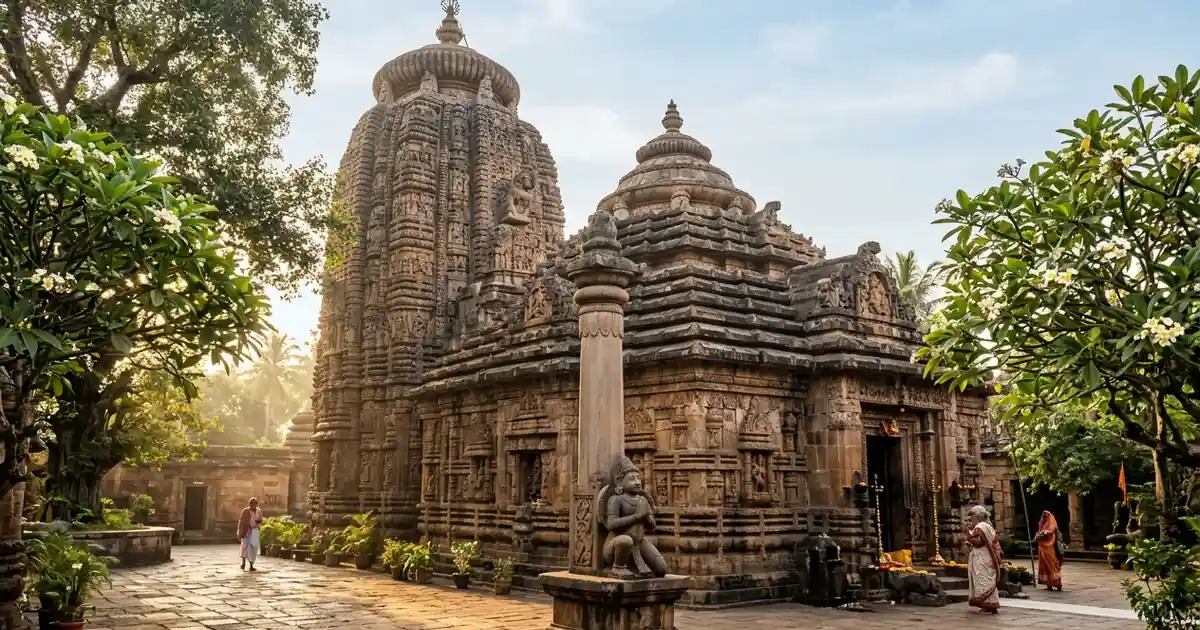
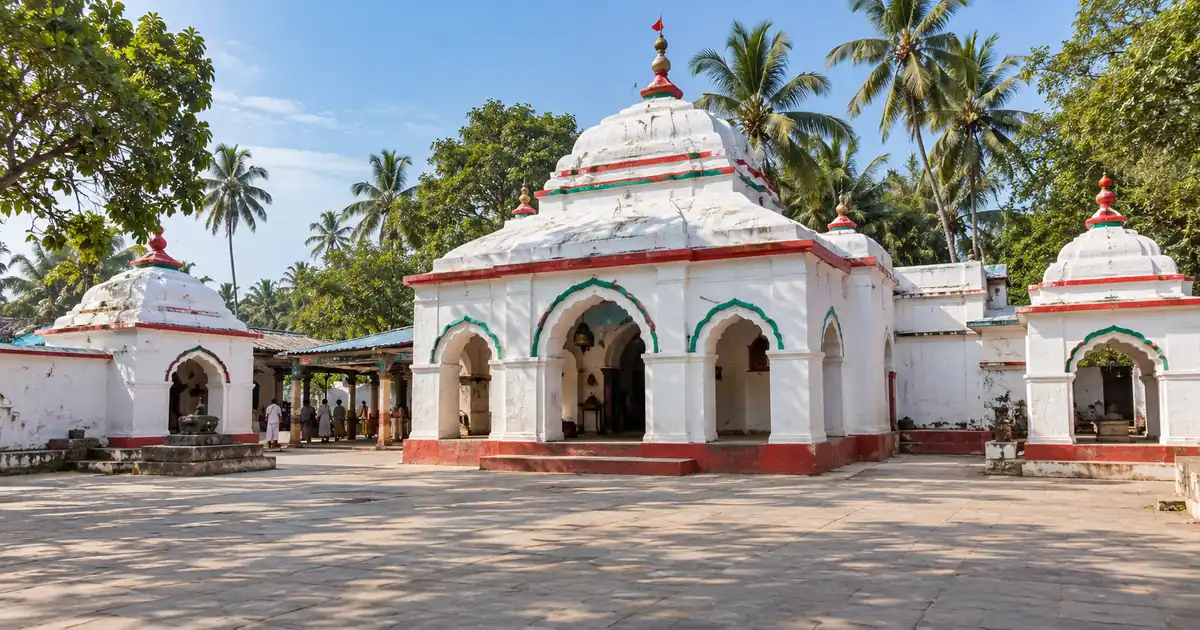
Located nine kilometers west of Balasore railway station in the historic township of Remuna, the ancient sanctuary of Lord Gopinatha is one of the most sacred Vaishnavite shrines in eastern India. Renowned across the subcontinent as the home of the milk-stealing Krishna, this thirteenth-century temple combines devotion, medieval architectural skill, and legendary culinary heritage.
Pilgrims traveling between Kolkata and Puri regularly stop at khirachora gopinatha temple balasore to offer prayers and taste the heavenly kheer prasad known as Amruta Keli.
The holy site occupies a cherished position in the spiritual topography of Baleswar district. Revered by followers of Gaudiya Vaishnavism worldwide, the temple commemorates the extraordinary love between the Supreme Lord and the wandering ascetic Saint Madhavendra Puri. The temple complex also preserves sacred footprints of Sri Chaitanya Mahaprabhu and the samadhi of Saint Rasikananda.
Visiting Remuna provides a deeply peaceful encounter with medieval Odia bhakti culture. Travelers exploring famous temples in Odisha frequently connect their journey with northern coastal shrines. The sanctuary is known across regional communities as the holy khirachora gopinath temple remuna.
Key Takeaways
- The Milk-Stealing Miracle: Earned the name Khirachora after Lord Krishna stole a pot of condensed milk for Madhavendra Puri.
- Legendary Amruta Keli Prasad: Serves a thick, caramelized condensed milk kheer cooked daily in unglazed earthen pots.
- Chaitanya Footprints: Preserves sacred lotus footprints of Sri Chaitanya Mahaprabhu beside the Garuda Stambha.
- Ganga Dynasty Origin: Consecrated in the 13th century during the reign of Eastern Ganga monarch King Langula Narasimha Deva.
- Convenient Transit Location: Situated only 9 km west of Balasore railway station along National Highway 16.
Khirachora Gopinatha Temple Remuna at a Glance: Timings & Highlights
Organizing an excursion to Remuna requires coordinating with daily darshan schedules and afternoon ritual closures. The temple welcomes devotees early in the morning for mangala aarti and remains open until midday bhog, reopening in the late afternoon.
The temple compound is shaded by mature champa, bakula, and kadamba trees. Clean flagstone courtyards surround the main deula, creating an unhurried sacred atmosphere where travelers can sit peacefully after attending puja rituals.
The table below outlines daily operating hours and key visitor specifications verified through Odisha Tourism:
| Dimension | Details |
|---|---|
| Temple Name | Sri Sri Khirachora Gopinatha Temple |
| Presiding Deity | Lord Gopinatha (Black Chlorite Krishna Murti) |
| Historical Period | 13th Century CE (Ganga Dynasty) |
| Geographic Location | Remuna NAC, Balasore District |
| Morning Darshan | 5:30 AM to 12:30 PM (Daily) |
| Evening Darshan | 4:00 PM to 8:30 PM (Daily) |
| Public Admission Fee | Free entry for all devotees and tourists |
| Signature Prasad | Amruta Keli (Condensed Milk Kheer in clay pots) |
| Nearest Railway Station | Balasore Railway Station (9 km east) |
| Nearest Highway | National Highway 16 (Bhubaneswar-Kolkata corridor) |
Visitors planning to purchase Amruta Keli should arrive around 9:00 AM or attend the late afternoon reopening around 4:30 PM, when fresh batches of earthen pots arrive at the distribution counter.
Devotees regularly consult verified remuna gopinath temple timings to coordinate special family offerings.
Geographic Setting in Historic Remuna
The town of Remuna derives its melodious name from the Sanskrit word Ramaniya, meaning exceptionally beautiful or charming.
Situated in a fertile coastal alluvial plain between the Budhabalanga River and the Nilagiri hills, the settlement was historically a prominent seat of classical Vaishnavite scholarship and royal crafts under Ganga and Gajapati patronage.
The Divine Pastime: Why Lord Krishna Stole the Sweet Milk for Madhavendra Puri
The captivating name Khirachora Gopinatha stems from an extraordinary event recorded in the Chaitanya Charitamrita over five centuries ago. The revered Vaishnavite saint Madhavendra Puri was traveling on foot from Vrindavana toward Puri to collect sandalwood paste for his deity, Sri Gopala.
Stopping at Remuna, Madhavendra Puri was deeply moved by the exquisite beauty of Lord Gopinatha.
While observing the evening rituals, he noticed that the priests offered twelve pots of condensed sweet milk known as Amruta Keli to the deity. Madhavendra Puri harbored a fleeting thought that if he could taste a small spoonful of the preparation, he could learn the recipe to cook sweet offerings for his Gopala back in Vrindavana.
Realizing that desiring food before it had been formally offered to the Lord was improper for an ascetic, he felt repentant and quietly left the temple grounds to chant in an empty marketplace outside.
That night, Lord Gopinatha appeared in a dream to the head priest, revealing that He had hidden one pot of Amruta Keli beneath His cloth garments to keep it safe for his pure devotee Madhavendra Puri.
The astonished priest opened the sanctum doors at midnight, discovered the hidden earthen pot under the deity’s sash, and rushed to the market to deliver the consecrated milk to the weeping saint.
From that memorable night forward, the presiding deity became universally known as Khirachora Gopinatha, meaning the Lord who steals sweet condensed milk for his devotees.
This touching pastime forms the heart of khirachora gopinatha temple history, celebrated across devotional communities worldwide.
Ganga Dynasty Architecture and Chaitanya Mahaprabhu Footprints
The architectural monument of Remuna reflects classic Kalinga design standards documented by the Archaeological Survey of India. Built during the thirteenth century by King Langula Narasimha Deva, the celebrated builder of the Konark Sun Temple, the temple is constructed from fine buff sandstone and laterite blocks.
The complex comprises a curvilinear rekha vimana sanctuary housing the presiding deity, joined to a spacious frontal jagamohana assembly hall.
Within the sanctum, the black chlorite deity of Lord Gopinatha stands in the graceful tribhanga posture, playing an unseen flute. Flanking the main image are intricately sculpted companion deities of Govinda and Madanamohana, also carved from smooth chlorite.
In the early sixteenth century, Sri Chaitanya Mahaprabhu visited Remuna during his famous pilgrimage journey toward Puri.
Upon entering the temple hall, Mahaprabhu was overcome with devotional ecstasy when a fragrant garland dropped from Gopinatha’s crown directly onto his shoulders.
Devotees can today view the sacred lotus footprints of Chaitanya Mahaprabhu engraved into a stone platform beside the Garuda Stambha pillar in the main prayer courtyard.
The complex also shelters the sacred samadhi tomb of Saint Rasikananda, a celebrated disciple who spread Vaishnavite teachings across northern Odisha.
Amruta Keli: The Legendary Condensed Milk Kheer Prasad of Remuna
No visit to Remuna is complete without experiencing the legendary Amruta Keli prasad. Cooked daily by hereditary temple cooks using centuries-old methods, this rich milk delicacy is regarded as one of Odisha’s finest traditional temple sweets.
The preparation begins with pure cow’s milk collected from local dairy farming cooperatives.
The milk is simmered slowly over wood-fired earthen hearths for hours until it thickens into dense, caramelized rabri. Pure cane sugar, ground green cardamom, and golden raisins are folded into the steaming mixture.
The hot pudding is poured into handcrafted, unglazed earthen clay pots known as kulars, allowing the sweet milk to cool naturally.
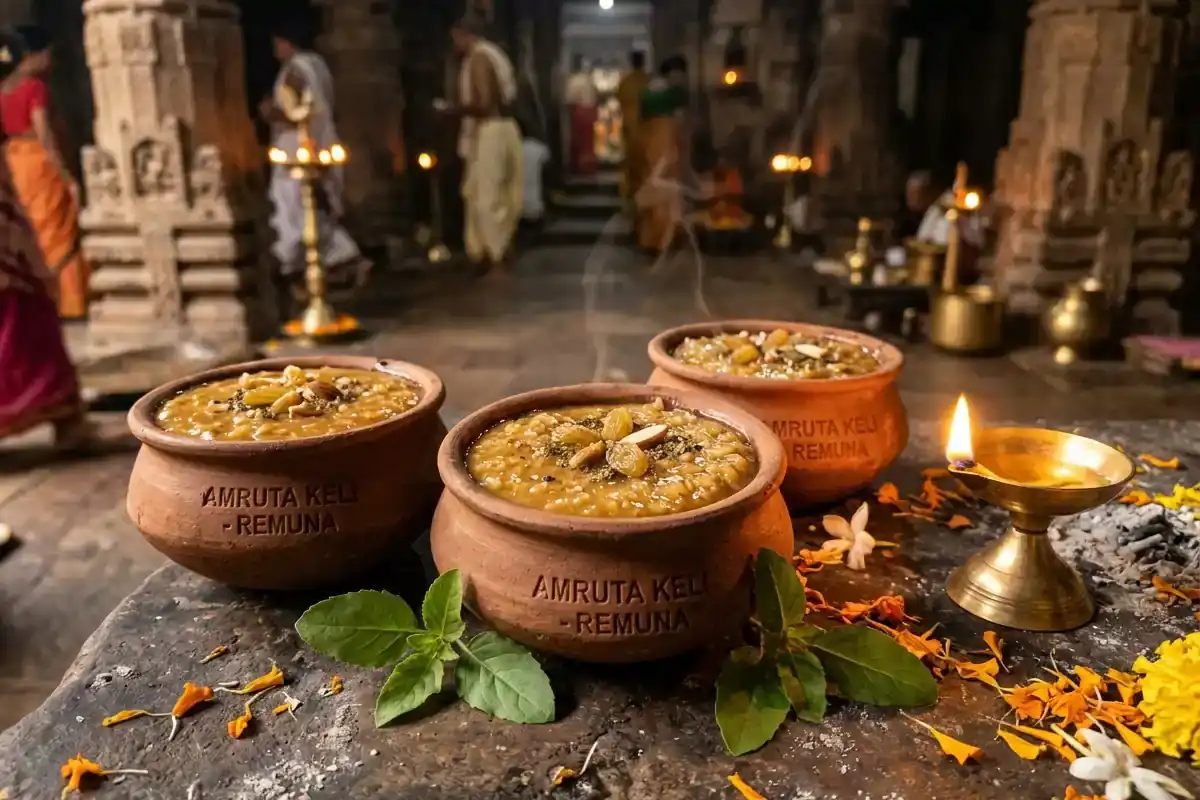
The porous clay of the earthen pots absorbs excess moisture, imparting a pleasant earthy aroma and firm, velvety texture to the kheer.
The table below outlines current operational details for purchasing Amruta Keli at the temple counter:
| Prasad Characteristic | Detail |
|---|---|
| Official Name | Sri Gopinatha Amruta Keli (Khira) |
| Key Ingredients | Pure cow milk, unrefined sugar, cardamom, raisins |
| Traditional Packaging | Handcrafted unglazed earthen clay pots (kulars) |
| Serving Portion | Small earthen pot (~150g) and large family pot (~400g) |
| Indicative Price Range | ₹40 to ₹100 per pot depending on portion size |
| Distribution Counter | Inside the outer temple courtyard gate |
| Counter Operating Hours | 9:00 AM to 12:00 PM and 4:30 PM to 8:00 PM |
Because the prasad contains no artificial preservatives, devotees should consume it within twenty-four hours or keep it refrigerated in warm weather.
How to Reach Remuna from Balasore Station, Kolkata and Bhubaneswar
Reaching Remuna is exceptionally easy due to its close proximity to Balasore city along the major Chennai-Howrah transportation corridor.
Balasore Railway Station is an important junction where all major superfast and express trains stop, connecting Kolkata, Bhubaneswar, Puri, and southern metropolises.
From the railway station exit, local auto-rickshaws, shared three-wheelers, and app-based taxis provide regular fifteen-minute transfers to Remuna.
The table below details highway distances, estimated travel durations, and recommended routes from key transit hubs:
| Departure Hub | Highway Distance | Typical Transit Time | Recommended Route Corridor |
|---|---|---|---|
| Balasore Railway Station | 9 km west | 15 to 20 minutes | Direct Remuna Road via Station Square |
| Chandipur Sea Beach | 25 km west | 40 minutes | Via Balasore town bypass |
| Panchalingeswar Temple | 30 km northeast | 45 minutes | State Highway via Nilagiri foothills |
| Kolkata (Howrah Junction) | 225 km southwest | 4 hours 30 minutes | NH-16 highway via Kharagpur and Jaleswar |
| Bhubaneswar Airport | 205 km northeast | 4 hours | NH-16 expressway via Cuttack and Bhadrak |
Travelers driving private cars from Kolkata or Bhubaneswar will find well-marked signboards on National Highway 16 directing traffic toward Remuna.
Spacious vehicle parking areas are situated directly outside the temple entrance gate, requiring nominal municipal parking fees during major festive seasons.
Festivals, Chandan Yatra & Balasore Heritage Circuit Pairings
Remuna celebrates an elaborate festival calendar marked by devotional fervor and community feasting throughout the year.
The most celebrated event is Chandan Yatra, starting on Akshaya Tritiya in early summer. During this forty-two-day festival, the divine idols are anointed with fragrant sandalwood paste to grant cooling comfort, followed by ceremonial boat outings in the temple pond.
Other major religious milestones include the colorful Dola Purnima swing festival in spring, Janmashtami in autumn with midnight aartis, and the annual Rasikananda Mahaprabhu Mahotsav.
Among prominent balasore tourist places, a visit to Remuna forms an ideal cultural hub for exploring the wider treasures of Balasore district. Travelers can combine morning prayers at Remuna with a relaxing afternoon beside the unique retreating waters of Chandipur Sea Beach.
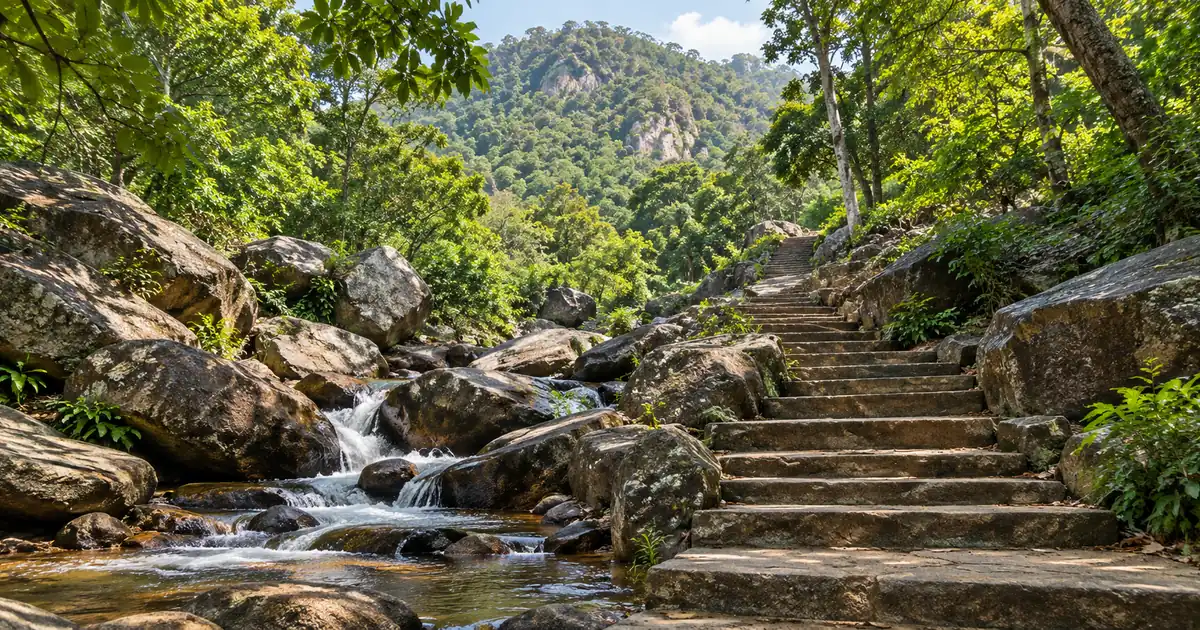
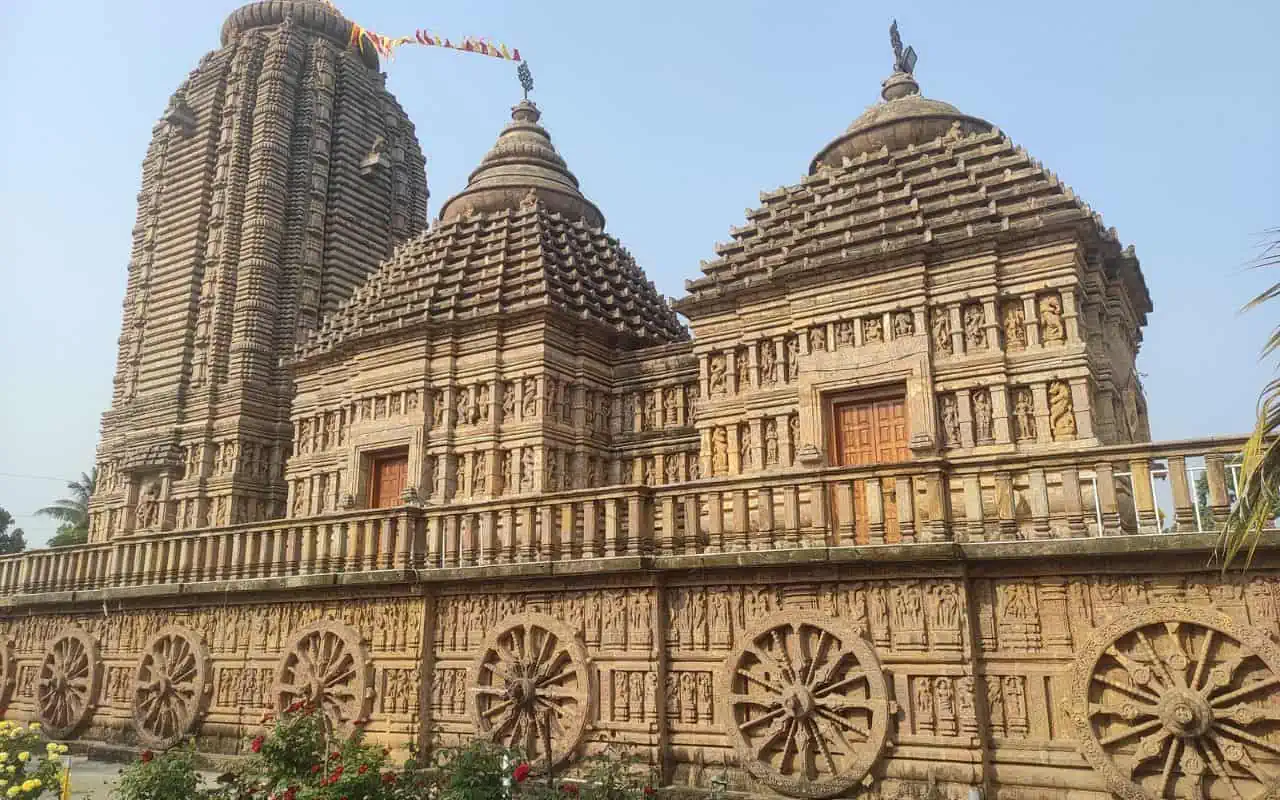
Visitors can also climb the forested Nilagiri hills to touch the perennial stream at Panchalingeswar Temple or visit the modern architectural complex of Emami Jagannath Temple near Kuruda.
Pilgrims traveling north toward the Bengal border can also stop at the celebrated Shaivite seat of Chandaneswar Temple in Jaleswar.
When visiting the temple, devotees should observe modest dress code guidelines by covering shoulders and knees. While photography is allowed in the outer gardens and courtyard, photography inside the inner sanctum is strictly prohibited to maintain ritual decorum.
Frequently Asked Questions (FAQs)
What are the daily darshan timings at Khirachora Gopinatha Temple Remuna?
The temple is open for morning darshan from 5:30 AM to 12:30 PM and reopens in the evening from 4:00 PM to 8:30 PM daily. Attending the morning mangala aarti or evening sandhya aarti provides a peaceful spiritual encounter accompanied by traditional bells and kirtan.
Why is Lord Krishna called Khirachora at Remuna?
Lord Krishna earned the name Khirachora, meaning the milk thief, when he stole an earthen pot of sweet condensed milk and hid it beneath his sash for saint Madhavendra Puri. The miraculous pastime took place over five centuries ago and continues to inspire deep Vaishnava devotion.
What is the famous Amruta Keli prasad and how is it prepared?
Amruta Keli is a signature condensed milk kheer cooked by simmering pure cow milk for hours in earthen vessels with sugar, cardamom, and golden raisins. The thickened delicacy is served in unglazed clay pots that impart a distinct earthy aroma and rich texture.
How far is Khirachora Gopinath Temple from Balasore Railway Station?
The temple is situated approximately nine kilometers west of Balasore Railway Station along a well-paved four-lane road. The journey takes only fifteen to twenty minutes by private car, taxi, or local auto-rickshaw.
Did Chaitanya Mahaprabhu visit Khirachora Gopinatha Temple?
Yes, Sri Chaitanya Mahaprabhu visited Remuna in the early sixteenth century while journeying from Bengal to Jagannatha Puri. His sacred lotus footprints are engraved into a stone platform beside the Garuda Stambha in the temple courtyard.
Who originally established the Gopinatha deity in Remuna?
According to regional tradition, the black chlorite deity of Lord Gopinatha was consecrated in the thirteenth century by King Langula Narasimha Deva of the Eastern Ganga dynasty. Puranic folklore holds that the image was originally carved by Lord Rama during his exile in Treta Yuga.