Khandagiri Mela: Dates, Timings, Jatra Shows & Visitor Guide
Complete guide to Khandagiri Mela and Jatra in Bhubaneswar. Discover Magha Saptami dates, sadhu rituals, opera tickets, street food, and parking tips.
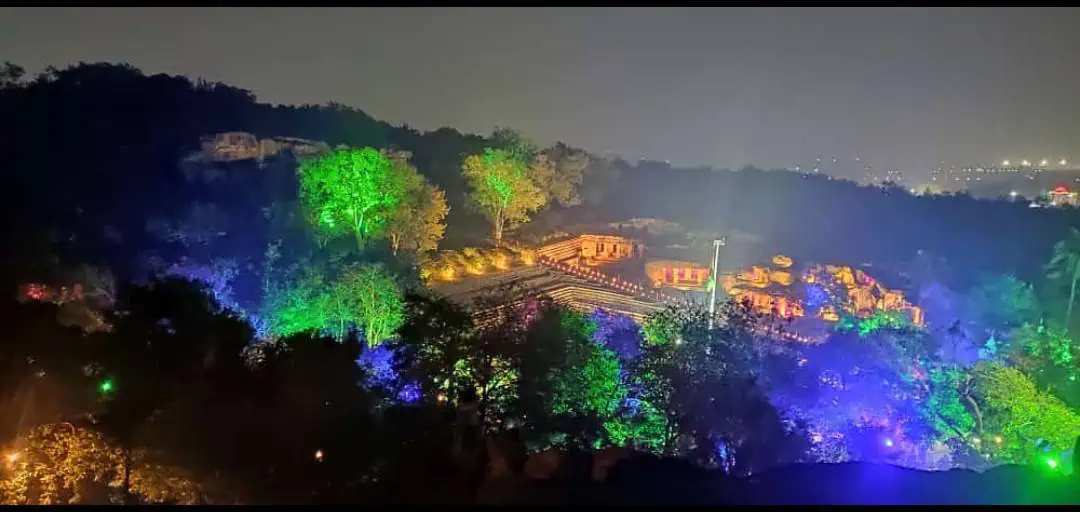
Every winter during the holy Hindu month of Magha, the foothills of Khandagiri and Udayagiri in western Bhubaneswar host one of Odisha’s oldest cultural assemblies. Known as Khandagiri Mela, Khandagiri Kumbha Mela, or the Khandagiri Jatra Mahotsav, the event unites sadhus, folk artisans, open-air opera troupes, and rural traders for nearly two weeks.
Key Takeaways
- Khandagiri Mela commences annually on the auspicious day of Magha Saptami (late January or early February) and lasts for 10 to 14 days.
- General admission to the mela grounds, sadhu encampments, and market stalls is free.
- Overnight Odia Jatra (folk opera) performances run from 10:30 PM to 4:30 AM with tickets priced between ₹200 and ₹500 per seat.
- Monastic sadhus from across India gather at the ancient cave foothills to perform continuous Vedic fire ceremonies (dhuni yajna).
- Designated parking areas are operated by municipal authorities near Baramunda ISBT and the Khandagiri foothills along NH-16.
The cultural gathering remains a cornerstone among the best tourist places to visit in Bhubaneswar for travelers seeking authentic performing arts and community traditions.
At-a-Glance: Event Schedule and Timings Summary
The fair grounds occupy the expansive melan area between Khandagiri Square and the reserve forest borders along National Highway 16.
| Event Parameter | Specification |
|---|---|
| Official Title | Khandagiri Mela / Khandagiri Jatra Mahotsav |
| Geographic Location | Foothills of Khandagiri and Udayagiri Hills, Bhubaneswar, Odisha |
| Annual Commencement | Magha Saptami (January – February) |
| Event Duration | 10 to 14 Consecutive Days |
| Day Bazaar Timings | 10:00 AM – 11:00 PM (Daily) |
| Jatra Performance Timings | 10:30 PM – 4:30 AM (Overnight theatrical shows) |
| Grounds Admission Fee | Free public entry |
| Opera Ticket Range | ₹200 – ₹500 per seat depending on tier |
| Distance from Baramunda ISBT | 2 km |
| Distance from Bhubaneswar Rail Hub | 8 km |
Historical & Spiritual Significance: The Magha Saptami Tradition
Khandagiri Mela is historically connected to the rock-hewn monastic heritage of the twin hills. During the first century BCE, the carved cells of the Udayagiri and Khandagiri Caves served as residences for Jain monks under Emperor Kharavela. Today, these rock-cut structures are preserved under the statutory oversight of the Archaeological Survey of India Heritage Regulations.
The spiritual origin of the fair aligns with Magha Saptami, marking the seasonal shift of the sun northward. Monastic ascetics, Naga sadhus, and hermits traveling from akhadas across northern and eastern India converge at the foothills. Devotees participate in morning prayer rituals, circling sacred dhuni fire hearths that burn continuously with wood and herbal offerings throughout the festival duration.
Pilgrims gather at dawn to listen to Vedic chants and receive sacred ashes (vibhuti) from meditating elders. The peaceful spiritual rhythm of the daytime provides a direct window into ancient ascetic traditions that have endured in the hills for over two millennia.
The Khandagiri Jatra Opera Culture: Troupes and Ticket Guidelines
While mornings are centered on spiritual devotions, nightfall transforms the festival into eastern India’s primary forum for commercial folk theater, known as Odia Jatra.
Seven massive temporary enclosed theaters, or pandals, are erected on the lower grounds. Each pandal seats over two thousand spectators and features elevated revolving stages, modern sound arrays, and elaborate lighting. Leading professional companies perform original musical dramas:
- Eastern Opera
- Konark Gananatya
- Shibani Gananatya
- Tarapur Gananatya
- Ranga Mahal
- Tulasi Gananatya
Performances typically begin around 10:30 PM and continue through sunrise. Tickets are available directly from temporary counter booths outside individual troupe arenas starting at 4:00 PM each day. Front-row VIP seats and raised chairs require early bookings, particularly during Friday and Saturday night stagings.
Street Food Delicacies and Traditional Rural Bazaar
The avenues leading toward the hill base feature hundreds of independent culinary stalls preparing regional street food specialties.
Visitors enjoy plates of Dahi Bara Aloo Dum, garnished with yellow pea curry, roasted cumin, and fresh coriander. Sweet makers prepare hot spirals of jalebi, chhena jalebi, and caramel-baked chhena poda straight from earthen charcoal ovens. Travelers can compare these festival staples with other traditional Odisha food specialties documented across our culinary guides.
Earthen beverage stalls serve piping hot masala tea in unglazed terracotta kulhad cups, providing warmth during brisk winter evenings.
Handicrafts Exhibition and Artisan Markets
Beyond culinary stalls, Khandagiri Mela functions as a regional commercial hub where blacksmiths, woodcarvers, and potters from interior districts sell practical handmade wares.
Rural Household Tools
Ironmongers from rural Nayagarh and Ganjam offer hand-forged agricultural sickles, pruning knives, and traditional kitchen knives (paniki). Skilled stonemasons carve heavy granite grinding slabs (sil-bata) and pestles prized for spice preparation.
Cane, Bamboo, and Terracotta Crafts
Artisans weave storage baskets, hand fans, winnowing trays, and floor mats from cured river reeds and bamboo strips. Potters display water pots, decorative plant urns, and ceremonial oil lamps. Visitors interested in regional artisan fairs can also explore our guide to the Toshali National Crafts Mela held annually at Janata Maidan.
Civic Regulations, Safety Protocols, and Police Advisory
Due to large nightly congregations exceeding 50,000 visitors, the Commissionerate Police and municipal administrators enforce formal safety measures outlined by the Bhubaneswar Municipal Corporation Civic Guidelines.
Key administrative measures include:
-
Performance Content Standards: Civic enforcement squads monitor scripts and dances to maintain family-friendly standards across all opera tents.
-
Hygiene Inspections: Food safety officers inspect potable water supplies and cooking oil quality across temporary stalls daily.
-
Surveillance and Emergency Access: Over one hundred closed-circuit cameras monitor perimeter gates, coordinated from a central police command post.
-
Fire Precautions: Fire tenders are stationed at perimeter points, requiring each enclosure to maintain marked emergency exits.
Transit Connections: How to Reach Khandagiri by Bus and Rail
Positioned adjacent to National Highway 16, the mela grounds are directly accessible from all sectors of the capital region. Travel routes and destination updates can be cross-checked via the Odisha Tourism Official Portal Destination Directory.
By Capital Region Urban Transport (Mo Bus)
City transit buses run high-frequency shuttles connecting Master Canteen Railway Station, Patia, and Cuttack to the Khandagiri Square and Baramunda ISBT stops. The bus stands sit just ten minutes on foot from the entrance gates.
From Bhubaneswar Railway Station
Located eight kilometers east of the hills, the main railway station provides round-the-clock app taxis, prepaid cabs, and auto-rickshaws that complete the trip in 20 to 25 minutes.
Designated Vehicle Parking Facilities
To prevent traffic congestion along the highway corridor, authorities prohibit roadside parking on NH-16. Drivers should utilize marked parking bays at:
- Khandagiri Melan Ground Designated Vehicle Bay
- Baramunda OSRTC Terminal Open Grounds
- Archaeological Survey Office Peripheral Grounds
Nearby Cultural Sites to Combine With Your Excursion
Visitors attending the daytime rituals can easily expand their route into a broader heritage day trip.
Travelers can climb the rock-cut steps of Khandagiri Hill to inspect medieval Jain shrines and panoramic viewpoints over the city. A short drive into the historic temple quarter leads to the magnificent 11th-century Lingaraj Temple in Old Town Bhubaneswar. Additional nearby destinations include the ancient peace pagoda at Dhauli Giri and the forested walking paths along the Chandaka forest sanctuary boundaries.
Frequently Asked Questions About Khandagiri Mela
What are the festival dates for Khandagiri Mela?
Khandagiri Mela starts on the holy occasion of Magha Saptami, typically falling between late January and early February, and runs for 10 to 14 days. Exact calendar dates vary each year based on the traditional Hindu lunar calendar.
Is entry to Khandagiri Mela free for visitors?
Yes, general entry to the fair grounds, sadhu camps, and artisan market stalls is free for all visitors. Only attendance at the overnight Odia Jatra opera shows requires a purchased ticket, priced between ₹200 and ₹500.
What are the typical show timings for Khandagiri Jatra performances?
Jatra opera shows commence nightly around 10:30 PM and continue until approximately 4:30 AM the following morning. Box office ticket counters open outside individual troupe pandals starting at 4:00 PM.
What is the spiritual significance of the sadhu dhuni rituals?
Visiting sadhus and ascetics from across India gather at the ancient cave foothills to perform sacred fire rituals known as dhuni yajnas. Devotees visit these camps throughout the day to seek spiritual blessings and offer clarified butter to the flames.
Where can visitors safely park their vehicles near the fair grounds?
Visitors should park in designated municipal areas at the Baramunda terminal open grounds, Melan Ground bays, or the ASI office lot. Parking along the main NH-16 roadway is strictly prohibited and subject to traffic towing.