Toshali National Crafts Mela 2026: Dates, Venue and Guide
Toshali National Crafts Mela 2026 guide covering dates, venue, stalls, handicrafts, food, and practical visitor tips for Bhubaneswar.
The first time I walked into the Janata Maidan during the Toshali National Crafts Mela, I was immediately struck by the sheer explosion of colors You can also explore Tribal Dance Festival. It wasn’t just a fair; it felt like the entire soul of India’s craftsmanship had been condensed into a few acres in the heart of Bhubaneswar. The air was thick with the aroma of freshly fried Pitha and the rhythmic clinking of stone carvers at work. If you’ve never experienced this magic, let me tell you—Toshali Mela is where Odisha’s heritage truly comes alive.
Hardcore shopaholics seeking authentic Odisha handloom sarees and cultural enthusiasts who love soaking in local vibes will both find their happy place here. The 20th Toshali National Crafts Mela 2026 is an event that belongs on every traveler’s bucket list. Here’s everything you need to know about this year’s extravaganza, from the specific dates to the hidden gems you should look for in the 905+ stalls.
What is Toshali National Crafts Mela?
Toshali National Crafts Mela is one of India’s most prestigious annual crafts fairs, rivaling even the famous Surajkund Mela of Haryana. Organized by the Handlooms, Textiles and Handicrafts Department, Odisha in collaboration with the State Institute for Development of Arts and Crafts (SIDAC), it serves as a massive platform for artisans from across the country to showcase their skills.
The name “Toshali” itself carries deep historical weight. It refers to the ancient city of Toshali, which was the regional capital of the Kalinga province during the reign of Emperor Ashoka. By naming the mela after this ancient capital, the government honors the thousand-year-old tradition of art and commerce that has defined this land.
Since its inception, the mela has grown from a local exhibition into a national-level event. It isn’t just about selling products; it’s about preserving dying art forms. When I talk to the weavers from Western Odisha or the wood carvers from Puri, they often tell me that Toshali is the one time of year they get to interact directly with people who truly appreciate the labor that goes into a single piece of work. There are no middlemen here—just the creator and the connoisseur.
Toshali Mela 2026 Dates and Timings
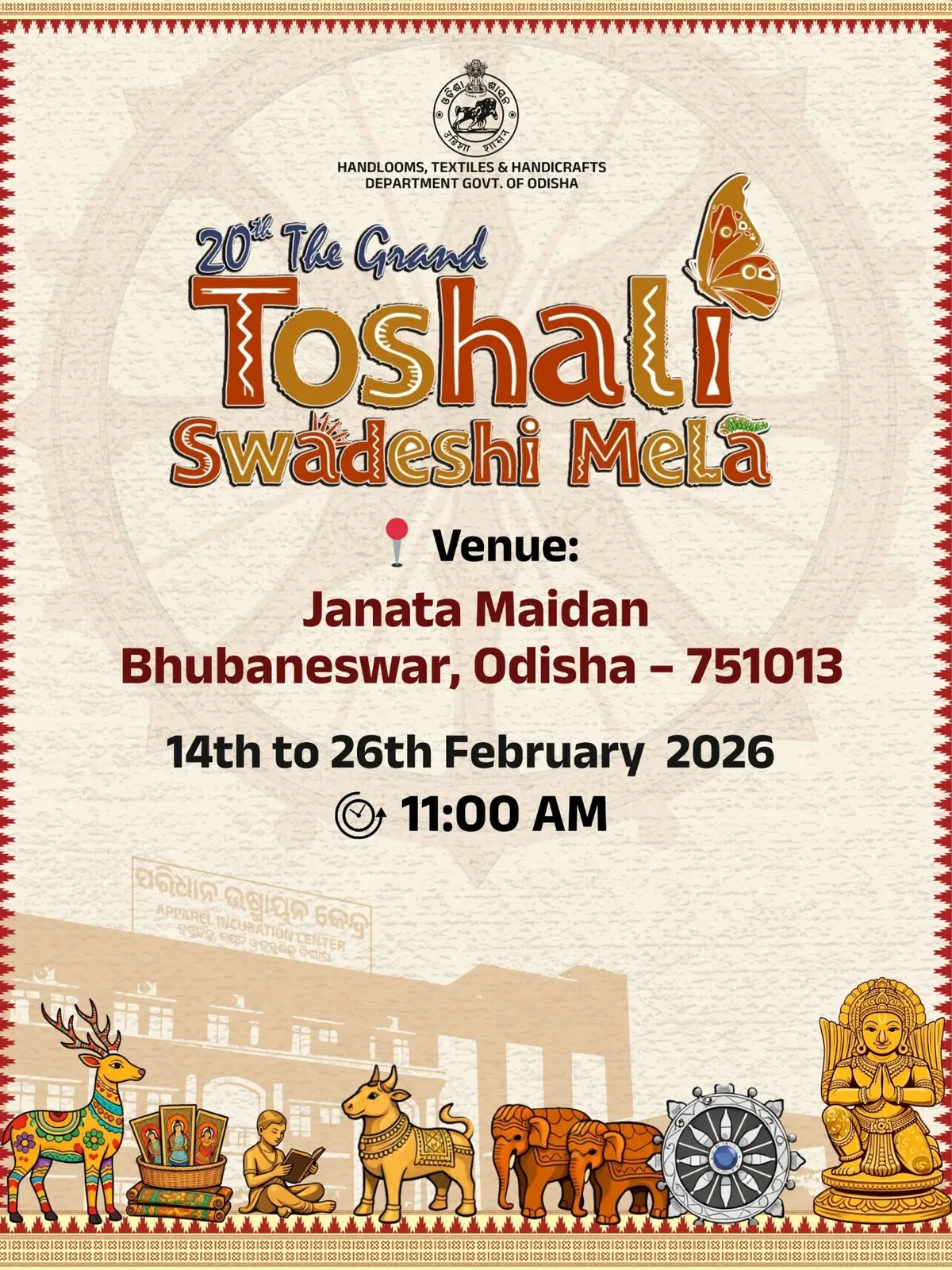
For 2026, the 20th edition of the Toshali National Crafts Mela is set to be bigger and more vibrant than ever. If you are planning your trip to the Temple City, make sure your calendar is marked for the middle of February.

- Dates: February 14 to February 26, 2026
- Venue: Janata Maidan, Nandankanan Road, Bhubaneswar
- Mela Timings: 2:30 PM to 9:30 PM daily
- Cultural Programs: 6:00 PM to 9:30 PM daily
- Entry Fee: FREE
I always suggest visiting on a weekday if you want to browse the stalls peacefully. The weekends at Janata Maidan can get incredibly crowded, with families from all over the city descending for the cultural evening programs. However, if you love the energy of a bustling crowd and want to see the mela at its peak, the final Sunday is an experience in itself.
One of the best things about Toshali Mela is that there is no entry fee. Just remember to wear comfortable walking shoes; with over 905 stalls to explore, you’ll be hitting your step goal for the week in just a few hours!
Theme of Toshali Mela 2026: Swadeshi and Atmanirbhar
Every year, the mela adopts a specific theme that reflects the current spirit of the nation and the state. For 2026, the theme is “Swadeshi and Atmanirbhar” (Self-Reliant). This theme highlights the importance of supporting local artisans and reducing our dependence on mass-produced, machine-made goods.
Walking through the Theme Pavilion this year, you’ll see live demonstrations of how raw materials like cotton, silk, and clay are transformed into exquisite masterpieces. It’s a reminder of the “Atmanirbhar” spirit that has existed in our villages for centuries. I remember watching an old craftsman from Jajpur meticulously weaving a Golden Grass basket—his hands moved with such practiced ease that it looked like magic. That is the essence of Swadeshi.
The theme also extends to the infrastructure of the mela. You’ll notice a significant move towards eco-friendly materials in the stall constructions and a strict ban on single-use plastics. It’s heartening to see such a massive event taking steps towards sustainability while celebrating tradition.
A Shopper’s Paradise: Handlooms and Silk
If you’re a fan of textiles, Toshali Mela is basically your version of heaven. The dedicated Handloom and Silk pavilions are always the most crowded sections, and for good reason. You get to see the entire spectrum of Indian weaving under one roof.
The Magic of Odia Handlooms
Odisha is world-renowned for its Ikat (Bandha) technique. At the mela, you can find authentic:
- Sambalpuri Ikats: These are famous for their intricate geometric patterns and traditional motifs like fish and lotus.
- Bomkai (Sonepuri): Known for their heavily embroidered borders and pallus, these are perfect for weddings and formal occasions.
- Khandua Pata: Traditionally offered to Lord Jagannath in Puri, these silk sarees feature verses from the Gita Govinda woven into the fabric.
- Kotpad: These are unique, heavy cotton sarees dyed with natural madder dye by the tribal weavers of Koraput.
I once spent nearly three hours at a single stall from Nuapatna, just listening to the weaver explain the mathematical precision required to tie and dye the threads before they even touch the loom. It makes you realize that when you buy a saree here, you aren’t just buying clothes; you’re buying a piece of history.
Silk from Across India
Beyond Odisha, you’ll find exquisite silks from other states as well:
- Tussar Silk from Chhattisgarh and Bihar.
- Muga and Eri Silk from Assam (the golden silk that only gets better with age).
- Kanchipuram Silks from Tamil Nadu.
- Banarasi Brocades from Uttar Pradesh.
The mela provides a rare opportunity to compare the textures and drapes of different regions. And because these are direct-from-artisan stalls, the prices are often much more reasonable than what you’d find in high-end boutiques.
Exquisite Handicrafts: From Stone to Grass
While the sarees might grab the headlines, the handicraft stalls are where the true variety of the mela lies. Every corner of India seems to have sent its best representatives to Bhubaneswar.
Iconic Odisha Crafts
You cannot leave Toshali Mela without checking out these local specialties:
- Pattachitra: These traditional scroll paintings from Raghurajpur are done on specially treated cloth using natural colors. The level of detail in the depictions of Lord Jagannath and mythological stories is mind-blowing.
- Applique Work (Pipli): Brightly colored umbrellas, wall hangings, and bags from Pipli are a staple of the mela. They add an instant pop of color to any room.
- Silver Filigree (Tarakasi): Coming from the “Silver City” of Cuttack, this is delicate jewelry made from thin silver wires. It’s incredibly elegant and a great gift.
- Dhokra Casting: This ancient lost-wax casting technique produces beautiful, rustic brass figurines. The tribal motifs are timeless and fit perfectly into modern home decor.
- Stone Carving: You’ll often see artisans from Puri and Khurda live-carving replicas of the Konark Sun Temple wheels or Buddha statues from soapstone and granite.
Decor for the Modern Home
What I love most about the mela is how traditional crafts are being adapted for modern tastes. You’ll find minimalist pottery from Khurja, intricate cane furniture from the Northeast, and stunning blue pottery from Jaipur. Last year, I picked up some terracotta lamps from a local Odisha stall that now sit in my living room, reminding me of the mela every time I light them.
If you’re interested in tribal art, keep an eye out for the Adivasi Mela Bhubaneswar, which usually happens around the same time and offers even deeper insights into the tribal crafts of the state.
Cultural Programs: The Soul of the Evening
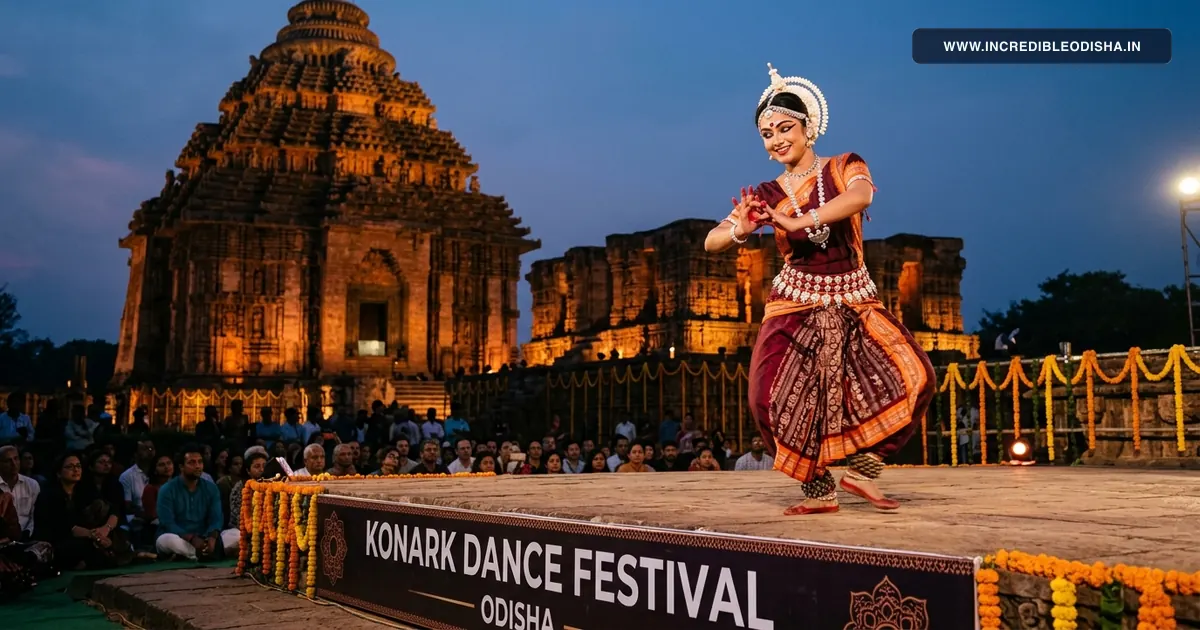
As the sun sets over Janata Maidan, the atmosphere shifts. The central stage becomes the focal point, and the air fills with the sounds of Mardala and Flute. The cultural programs at Toshali Mela are curated to showcase the best of Odissi and folk traditions.
Classical and Folk Dances
Every evening, you can witness performances that are both spiritually and visually captivating:
- Odissi: Watching a group of dancers perform the Pallavi with the backdrop of the mela is a serene experience. The grace and precision of the movements are world-class.
- Gotipua: This is the precursor to Odissi, where young boys dress as girls and perform acrobatic moves. It’s high-energy and always a crowd favorite.
- Sambalpuri Folk Dance (Dalkhai): The rhythmic beat of the Dhol and Nisan will have you tapping your feet in no time. The vibrant costumes and energetic steps are infectious.
- Chhau Dance: Whether it’s the masked version from Seraikella or the unmasked Mayurbhanj style, the martial movements of Chhau are always a spectacle.
The Toshali Fashion Show
One of the highlights of the 2026 mela is the specialized fashion show. This isn’t your typical high-fashion runway; it’s a celebration of Odia textiles. Top designers collaborate with local weavers to create contemporary outfits using Sambalpuri, Bomkai, and Kotpad fabrics. It’s a brilliant way to show the younger generation that traditional handloom can be incredibly trendy and chic.
I remember one year, they had a show where every model was draped in a different style of Odisha saree, from the tribal drapes to the classical ones. It was a powerful visual testament to the diversity of our textile heritage.
Food Court: A Culinary Journey through Odisha
Let’s be honest—half the reason people go to Toshali Mela is the food! The food court is always packed, and the variety is staggering. With 60 stalls this year, you can literally eat your way through the state.
While you can find everything from North Indian kebabs to Chinese noodles, I highly recommend sticking to the authentic 10 Famous Odisha Foods available at the local stalls.
Must-Try Delicacies
- Dahibara Aloo Dum: This is the soul food of Cuttack and Bhubaneswar. Cool, tangy lentil dumplings soaked in yogurt water, topped with spicy potato curry and yellow peas. It’s the perfect snack for a warm afternoon.
- Chakuli Pitha & Dalma: A simple yet delicious combination. The thin rice pancakes (Chakuli) are served with a thick, nutritious lentil and vegetable stew (Dalma).
- Enduri Pitha: These are steamed rice cakes wrapped in turmeric leaves, which give them a unique aroma. They are usually filled with a sweet mixture of coconut and jaggery.
- Mutton Jhola: If you’re a non-vegetarian, look for the Odia-style mutton curry. It’s thin, spicy, and usually served with steaming hot rice or Baras.
- Chennapoda: Known as the “Indian Cheesecake,” this burnt cheese dessert from Nayagarh is a must-have. The caramelized outer layer and soft, sweet interior are addictive.
The food court also features stalls from upscale hotels and restaurants, providing a clean and organized environment. I usually end my mela visit with a hot cup of Masala Chai and some crispy Piaji (onion fritters) while sitting on the grass near the stage, listening to the music.
How to Reach Toshali Mela Bhubaneswar
Janata Maidan is located in the heart of the city’s institutional area, making it very easy to reach from any part of Bhubaneswar.
By Air: The Biju Patnaik International Airport (BBI) is about 7-8 km away. You can easily get a pre-paid taxi or book an Ola/Uber to reach Janata Maidan in about 20 minutes.
By Train: The Bhubaneswar Railway Station (BBS) is approximately 5 km away. If you’re coming by train, the best way is to take an auto-rickshaw or a “Mo Bus” (the city’s public bus service). Route numbers 10 and 11 usually pass near the venue.
By Road: If you’re driving, be prepared for some traffic on Nandankanan Road. The mela organizers usually set up multiple parking lots nearby, but they fill up fast in the evenings. Using public transport or ride-sharing apps is often less stressful.
If you have some extra time, I’d suggest visiting the Lingaraj Temple or taking a trip to the Nandankanan Zoological Park. For a more comprehensive itinerary, check out our guide on the 11 best tourist places to visit in Bhubaneswar.
Essential Tips for Visitors
To make the most of your Toshali Mela experience, keep these tips in mind:
- Visit Early: As I mentioned, the mela opens at 2:30 PM. Arriving around 3:00 PM gives you a good 2-3 hours of daylight to see the colors clearly before the evening rush starts.
- Carry Cash: While many big stalls now accept UPI and cards, several small artisans from remote villages still prefer cash. There are usually 1-2 mobile ATMs near the entrance, but they often run out of money.
- Bargain Gently: Remember that these are artisans who have worked for months on these products. While a little bargaining is expected in the handicraft section, please don’t low-ball them. Respect the craft.
- Carry a Reusable Bag: While many stalls provide paper bags, they can be flimsy. Bringing your own sturdy cloth bag will make carrying your haul much easier.
- Stay Hydrated: Walking around the 905 stalls is exhausting. There are plenty of water kiosks, but carrying your own bottle is always better.
- Check the Schedule: If you’re interested in specific dance forms, check the cultural schedule (usually posted near the stage or on the Odisha Tourism website) so you don’t miss your favorite performance.
The Artisan’s Journey: From Remote Villages to Janata Maidan
One of the most moving aspects of Toshali Mela is the journey of the artisans themselves. Many of the people you see behind the stalls have traveled for days to reach Bhubaneswar. I spoke with a terracotta artist from a small village in the Subarnapur district who told me that for him, Toshali is more than just a marketplace—it’s a reunion. Artisans from different states, speaking different languages, often find common ground in their shared struggles and the joy of creation.
The mela provides these craftsmen with “Gandhi Shilp Bazar” grants and subsidies from the Development Commissioner (Handicrafts), Ministry of Textiles, which helps cover their travel and stay. This support is vital because many of these art forms are labor-intensive and have low profit margins in local village markets. By bringing them to an urban center like Bhubaneswar, the government ensures that the financial benefits reach the grassroots level.
Deep Dive into Odisha’s Signature Crafts
To truly appreciate Toshali, you need to understand the nuances of the crafts on display. Let’s take a closer look at some of the traditional art forms that define the mela’s identity.
1. The Delicate Art of Golden Grass (Kaincha)
Kendrapara district is the heart of Golden Grass weaving in Odisha. Known locally as Kaincha, this wild grass is dried and then woven into beautiful, eco-friendly products. At the mela, you’ll find everything from intricate coasters and jewelry boxes to large laundry baskets and floor mats. The natural golden sheen of the grass gives it a premium look that fits perfectly with modern, sustainable living. I remember buying a small Golden Grass earrings set—it was incredibly light, yet the weaving was so tight it felt like a solid piece of wood.
2. Horn Work of Parlakhemundi
Gajapati district, specifically Parlakhemundi, is famous for its unique horn work. Artisans use the horns of cattle (that have died naturally) to create smooth, polished figurines of birds, animals, and mythological characters. The deep black color and the natural curves of the horn give these pieces a striking appearance. Watching an artist polish a horn crane to a mirror-like finish is a lesson in patience. It’s a craft that requires immense skill in carving and smoothing, often involving the use of specialized files and sandpaper.
3. Lacquer Work of Nabarangpur
The vibrant, colorful lacquer work of Nabarangpur is a visual treat. Traditionally used to decorate boxes, bangles, and small toys, this craft involves applying layers of natural lacquer (secreted by the lac insect) onto a wooden base. The artisans then use heated tools to create intricate patterns in contrasting colors. The result is a glossy, waterproof finish that looks like high-end enamel. In recent years, these artisans have started making lacquer-covered pens and USB drives, blending ancient techniques with modern utility.
4. Coir Craft from Sakhigopal
Puri district is home to a unique form of coir craft. While coir is used globally for mats and ropes, the artisans near Sakhigopal use it to make adorable animal figurines and wall hangings. They wrap the coconut fiber around a wire frame to create miniature elephants, giraffes, and even traditional Odia dolls. It’s a wonderful example of upcycling a waste product (coconut husk) into a piece of art. These make for great, lightweight souvenirs for children.
5. Terracotta and Pottery of Western Odisha
While terracotta is found across India, the Western Odisha style—particularly from districts like Bolangir and Sambalpur—has a distinct rustic charm. The clay used here is of high quality, and the firing process gives the products a deep, earthy red tone. From large decorative pots to tiny Diyas, the variety is endless. One of my favorite finds at a previous Toshali Mela was a set of terracotta wind chimes that produce a soft, earthy “clink” instead of the metallic ring of modern chimes.
District-Wise Craft Expertise: A Map of Skill
If you’re a serious collector, it helps to know which districts of Odisha specialize in which crafts. This “craft map” will help you navigate the 905+ stalls more effectively.
- Puri: Pattachitra, Stone Carving, Coir Craft, and Sea-shell jewelry.
- Ganjam: Brass Fish (Belaguntha), Horn Work, and Silk weaving (Berhampur Pata).
- Mayurbhanj: Dhokra Casting, Sabai Grass products, and Stone carving (Khiching style).
- Baleswar: Stone carving and Applique work.
- Khurda: Bell metal (Balkati), Terracotta, and Wood carving.
- Cuttack: Silver Filigree (Tarakasi), Horn work, and Maniabandha sarees.
- Bargah & Sambalpur: World-famous Sambalpuri Ikat weaving and terracotta.
- Sonepur (Subarnapur): Exquisite Bomkai weaving and terracotta.
- Koraput: Kotpad tribal handloom and coffee (yes, Koraput coffee is a big hit at the mela!).
A Deeper Culinary Exploration: Beyond the Basics
We’ve touched on the famous foods, but the Toshali Mela food court is a place where you can find some of the rarest traditional dishes that are hard to find even in Bhubaneswar restaurants.
The “Pithas” of Odisha
Odisha has an incredible variety of Pithas (cakes), and Toshali is the best place to try a “Pitha platter.”
- Manda Pitha: Steamed dumplings made of rice flour with a sweet coconut filling. Think of it as the Odia version of Modak.
- Arisa Pitha: A deep-fried pancake made of rice flour and jaggery, sprinkled with sesame seeds. It’s crunchy on the outside and chewy on the inside.
- Kakara Pitha: Similar to Arisa but made with semolina (Suji) and usually softer.
- Poda Pitha: Traditionally made during the Raja festival, this is a slow-cooked, slightly burnt rice and lentil cake that has a deep, smoky sweetness.
Tribal Flavors
Keep an eye out for stalls run by the Tribal Development departments. You might find:
- Mandia Jau: A nutritious finger millet porridge that is a staple in tribal households.
- Mahua-based snacks: Made from the flowers of the Mahua tree, these have a unique, floral sweetness.
- Forest Honey: Pure, unadulterated honey collected from the forests of Similipal and Koraput.
I remember one year I tried a Chutney made of red weaver ants (Kai Chutney) at a tribal stall. It was incredibly tangy and spicy—definitely not for the faint-hearted, but a true culinary adventure!
Photography Tips for Toshali Mela
If you’re a photography enthusiast, Toshali Mela is a goldmine. The mix of vibrant textiles, focused artisans, and evening lights provides endless opportunities for great shots.
- Golden Hour is Key: The period between 4:30 PM and 6:00 PM is the best. The setting sun casts a warm glow on the handloom stalls, making the colors of the sarees truly pop.
- Capture the Process: Don’t just photograph the finished products. Ask the artisans if you can take a close-up of their hands as they weave or carve. These “action shots” tell a much deeper story.
- Evening Lights: Once the mela lights up, use a wide aperture to capture the bokeh of the fairy lights against the colorful stalls. The Theme Pavilion usually has great architectural lighting.
- Respect the Artists: Always ask for permission before taking a photo of an artisan, especially if they are in the middle of a ritual or a focused piece of work. Most are happy to pose if you show genuine interest in their craft.
- People Watching: The diverse crowd—from elderly pilgrims in traditional dhotis to college students in trendy outfits—provides great candid street photography moments.
Making a Day of It: Nearby Attractions in Bhubaneswar
Since Toshali Mela opens in the afternoon, you can spend your morning exploring other parts of the city. Bhubaneswar is known as the “Temple City of India,” and there’s no shortage of history here.
1. The Ancient Caves of Udayagiri and Khandagiri
Just a 10-minute drive from Janata Maidan, these rock-cut caves date back to the 2nd century BCE. They were built for Jain monks and feature some of the earliest examples of stone carving in India. The view of the city from the top of the hills at sunrise is spectacular.
2. Pathani Samanta Planetarium
If you’re traveling with kids, this is a great spot. Located very close to the mela ground, it offers fascinating shows about the cosmos and the life of the legendary Odia astronomer Pathani Samanta.
3. Regional Museum of Natural History
Another nearby gem, this museum houses an impressive collection of flora, fauna, and geology of Odisha. The skeleton of a baleen whale is a major highlight that always amazes visitors.
4. Ekamra Haat
If you haven’t had enough of handicrafts, Ekamra Haat is a permanent craft market in the city. It has a more relaxed, village-like atmosphere and some excellent stalls serving traditional Odia snacks. It’s a great place to sit and relax if you want a break from the mela’s energy.
The Economic Impact: Why Every Purchase Counts
When you buy a ₹500 dhokra figurine or a ₹5,000 silk saree at Toshali Mela, you are directly contributing to the preservation of a lineage. Many of these crafts are passed down through generations, and the economic viability of the craft determines whether the next generation will continue it.
In 2026, the mela aims to empower more women artisans. You’ll notice many stalls run by Self-Help Groups (SHGs) under the “Mission Shakti” initiative. These women are not just artisans; they are entrepreneurs who are changing the socio-economic fabric of their villages. Supporting them is a way of supporting a more equitable future for Odisha.
Practical Information for International Tourists
If you’re visiting from outside India, Toshali Mela is one of the safest and most culturally rich environments you can experience.
- Language: Most stall owners speak Odia and Hindi. In the larger stalls and at the information desk, you’ll find plenty of people who speak English.
- Payments: International credit cards are accepted at larger stalls, but having a UPI app (like GPay or PhonePe) linked to a local bank account or a pre-paid forex card is very helpful.
- Connectivity: 5G connectivity is excellent at Janata Maidan, so you can easily upload your mela stories in real-time.
- Security: There is a dedicated police outpost and a first-aid center within the mela grounds. The environment is family-friendly and very safe.
Comparing Toshali Mela with Other Festivals
Odisha is a land of festivals, and Toshali is one of the “Big Three” melas in the state.
| Feature | Toshali Mela | Bali Jatra | Adivasi Mela |
|---|---|---|---|
| Focus | National Arts & Crafts | Trade and Commerce | Tribal Life & Culture |
| Location | Bhubaneswar | Cuttack | Bhubaneswar |
| Vibe | Sophisticated & Artistic | Massive & Energetic | Authentic & Rustic |
| Best For | Home Decor & Silk | Street Food & Toys | Organic Produce & Tribal Art |
While Bali Jatra is larger in scale, Toshali is much more focused on the artistic quality of the products. If you’re a serious collector, Toshali is the place to be.
Why Toshali Mela Matters for Odisha’s Future
Beyond the shopping and the food, Toshali Mela plays a crucial role in the state’s economy. In 2025, the mela saw a footfall of nearly 15 lakh people with a business turnover exceeding ₹20 crores. For an artisan from a small village in Mayurbhanj or Kalahandi, the money earned here can sustain their family for an entire year.
It also serves as a bridge between the youth and their roots. Seeing a 20-year-old girl enthusiastically buying a hand-painted Pattachitra mobile cover or a Sambalpuri dress gives me hope that these traditions won’t just survive but thrive in the modern world.
The mela is a testament to the fact that in a world of AI and automation, there is still a deep, human craving for things made by hand—things that have a soul. That is what Toshali offers.
Toshali Mela 2026: Event Highlights & Special Attractions
The 2026 edition introduces several first-of-their-kind experiences alongside traditional favorites:
- Nightly Drone Show: For the first time, a massive drone show will illuminate the sky over Janata Maidan, showcasing Odisha’s iconic landmarks and heritage through light and synchronization.
- Grand Terracotta Competition (Feb 24): Watch a historic gathering of 1,000 terracotta artisans as they compete to create the most intricate clay masterpieces.
- Inclusive Design (AIS): The mela is officially “Accessible, Inclusive, and Sustainable.” It features wheelchair access, dedicated toilet blocks for the differently-abled, and a mother and baby care room.
- Live Craft Demonstrations: Don’t just buy; learn! Daily live sessions show how raw silk is spun and how Pattachitra is painted using natural stone colors.
Visitor Planning Guide: Toshali Mela 2026
To ensure you have a smooth experience at Odisha’s biggest mela, follow this planning guide:

1. Getting There & Parking
- Public Transport: Use the Mo Bus service. Routes stopping at Xavier Square or Jayadev Vihar are just a 5-minute walk away.
- Parking: While parking is available, it fills up by 5:00 PM. On weekends, we recommend using ride-sharing apps (Ola/Uber) to avoid long traffic queues near the venue.
2. The Best Time to Visit
- For Shoppers: Arrive right at 2:30 PM. Stalls are less crowded, and you can chat with the artisans about their work.
- For Foodies: Head to the food court around 5:30 PM. By 7:30 PM, the queues for popular items like Mutton Jhola can be quite long.
- For the Show: Be at the main stage by 5:45 PM to secure a seat for the evening cultural performances.
3. Shopping & Payments
- Carry Cash: While UPI (GPay/PhonePe) is widely accepted, network congestion inside the mela can cause transaction failures. Always carry some cash for smaller purchases.
- Bring Reusable Bags: Although paper bags are provided, they often tear under the weight of handicrafts. Carry a large cloth bag for your shopping haul.
- Fixed Pricing: Prices at government-sponsored handloom stalls are usually fixed, so focus your bargaining on independent handicraft stalls.
FAQs on Toshali National Crafts Mela
Where is Toshali Mela 2026 held?
The 2026 edition is held at Janata Maidan, Nandankanan Road, Bhubaneswar.
What are the dates for Toshali Mela 2026?
The mela starts on February 14 and concludes on February 26, 2026.
Is there an entry fee for Toshali Mela?
No, entry to the Toshali National Crafts Mela is absolutely free for all visitors.
What are the timings of the mela?
The mela is open daily from 2:30 PM to 9:30 PM.
Can I buy international products at Toshali Mela?
While the mela primarily focuses on Indian (National) handicrafts, you may occasionally find stalls from neighboring countries like Nepal or Bangladesh, though the core is “Swadeshi” Indian art.
Is parking available at the venue?
Yes, the organizers provide designated parking areas near Janata Maidan, though they can get very crowded during the evenings and weekends.
Are there credit card facilities at the stalls?
Most of the larger handloom and handicraft stalls accept credit/debit cards and UPI payments. However, it’s advisable to carry some cash for smaller purchases from individual artisans.
Final Thoughts: Don’t Just Visit, Experience It
Toshali Mela isn’t just another shopping destination. It’s a celebration of the human spirit’s ability to create beauty out of the simplest materials. It’s about the stories behind every thread and every chisel mark.
When you visit the Toshali National Crafts Mela 2026, take a moment to talk to the artisans. Ask them about their process, their villages, and the history of their craft. You’ll find that the stories you take home are just as valuable as the products in your bags.
See you at Janata Maidan this February! Jai Jagannath!
For more travel guides and local insights into Odisha’s vibrant culture, keep exploring Incredible Odisha.