Astaranga Sea Beach Puri: Sunset Splendor & Travel Guide
Explore Astaranga Beach in Puri district. Discover dramatic sunset vistas, the Devi River estuary, Jahania shore, fishing harbor, and helpful travel tips.
Key Takeaways
- Astaranga Sea Beach is renowned for its panoramic sunset vistas where the Devi River meets the Bay of Bengal.
- Located 19 km east of Kakatpur in Puri district, it offers a peaceful coastal atmosphere away from urban crowds.
- The surrounding area hosts the historic Pir Jahania shrine, traditional salt pans, and a lively morning fishing harbor.
- The best visiting period runs from October to March, with public shoreline access free throughout the year.
Astaranga Sea Beach holds a special place among the coastal destinations of Odisha. The name itself comes from two Odia words: “Asta”, meaning sunset, and “Ranga”, meaning color. Together, they describe the kaleidoscopic evening skies that draw photographers, families, and nature lovers to this quiet shoreline.
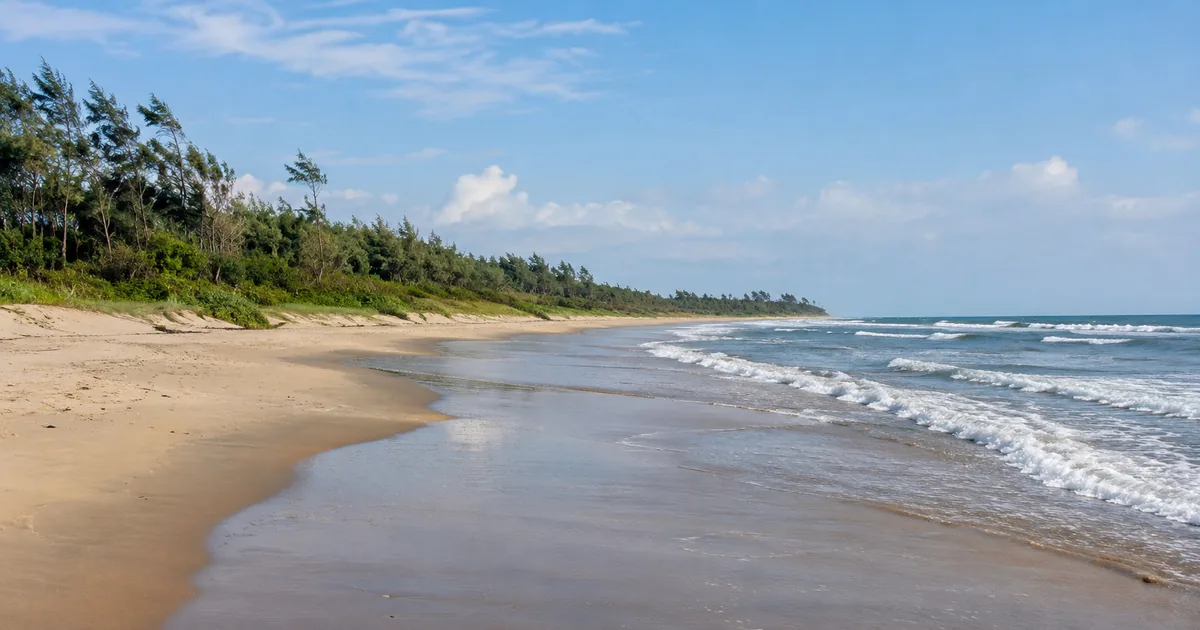
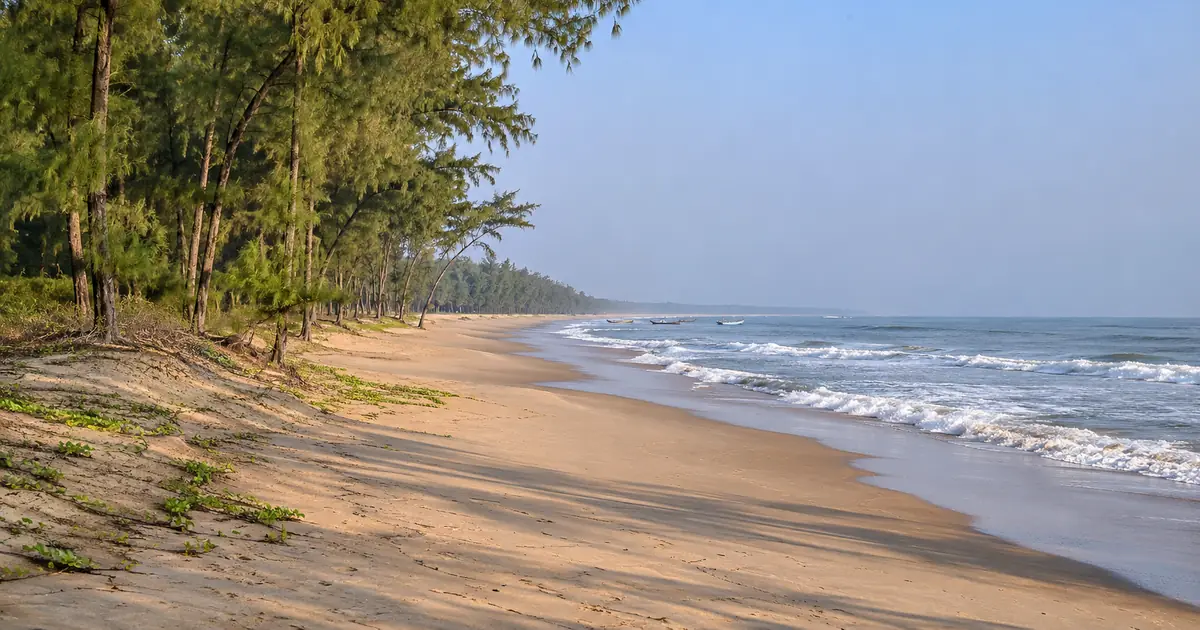
Situated at the confluence where the Devi River empties into the Bay of Bengal, Astaranga remains refreshingly natural. Long stretches of golden sand are bordered by casuarina plantations and coastal mangrove scrub. Travelers seeking an authentic coastal landscape will appreciate the unhurried rhythm of village fishing life here.
| Travel Factor | Details for Astaranga Sea Beach |
|---|---|
| Location | Astaranga Block, Eastern Puri District, Odisha |
| Key Geographical Feature | Confluence of Devi River (Mahanadi distributary) & Bay of Bengal |
| Nearest Important Towns | Kakatpur (19 km), Nimapada (35 km), Konark (30 km) |
| Best Season | October through March |
| Recommended Visiting Hours | 3:30 PM to 6:30 PM for sunset viewing |
| Entry Fee | Free public admission |
| Trip Duration | Half day (3 to 4 hours) |
Overview: The Fabled Sunset Shoreline of Eastern Odisha
While most travelers visiting coastal Odisha head straight to major urban centers, Astaranga offers a very different experience. As part of the expansive Puri district tourism network, this eastern coastal sector preserves deep traditional maritime roots.
Official administrative and regional development updates appear on the Puri District Administration Portal and the Odisha Tourism Official Portal.
Unlike commercialized promenades such as Puri Golden Beach, Astaranga offers quiet open space. You will not find modern shopping promenades or high-rise resorts here. Instead, visitors encounter wind-sculpted sand dunes, rustling pine groves, and fleets of traditional wooden boats resting along the tidal flats.
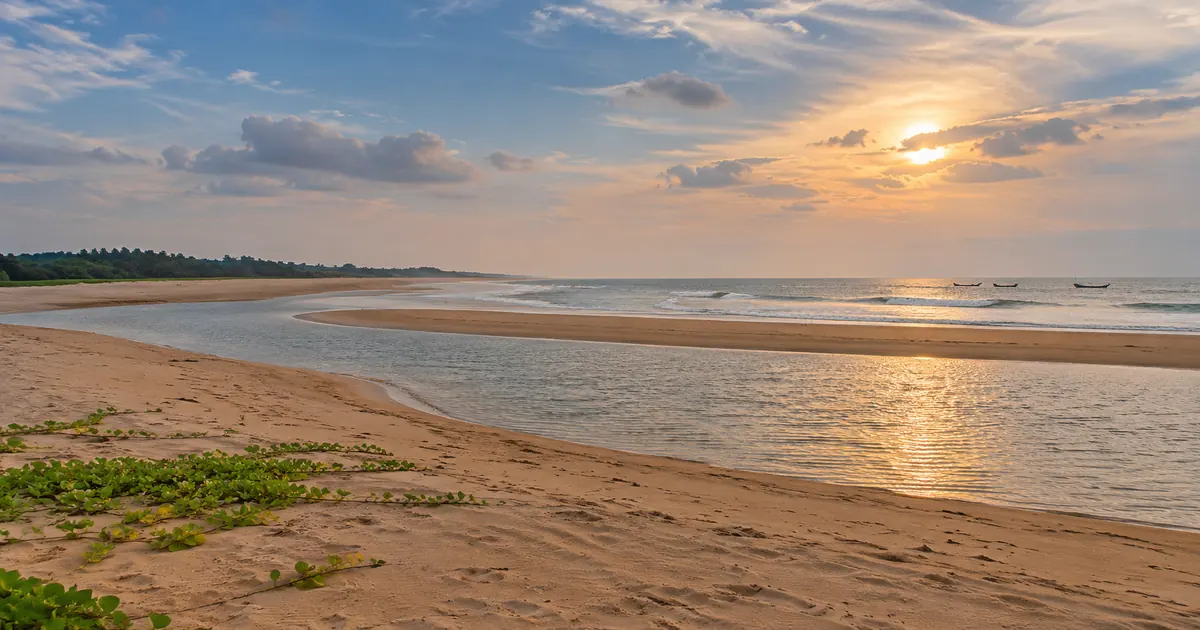
The coastline faces slightly southward at the river mouth, creating unique light reflections during evening hours. As the sun dips toward the horizon, the wet mudflats and tidal channels reflect changing hues of copper, violet, and gold. It is an extraordinary natural spectacle that rewards patient observers.
Geographical Setting: Devi River Estuary and Coastal Marine Ecology
The unique landscape of Astaranga is shaped by the Devi River, one of the primary distributaries of the great Mahanadi River system. The river winds across the coastal plains of Jagatsinghpur and Puri before spreading out into a wide, shallow estuary.
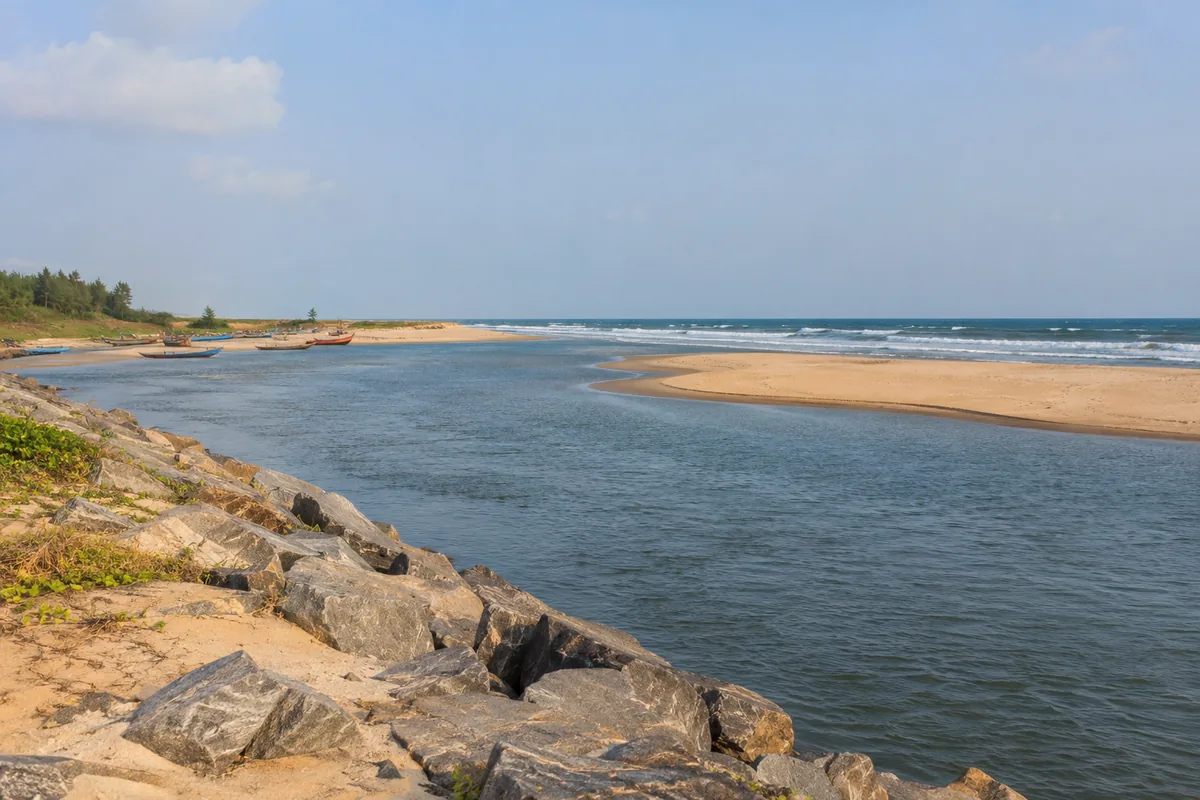
This mixing zone between sweet river current and salty ocean tidal flow supports diverse wetland ecology, where travelers can stay at the eco-cottages at Mangrove Retreat Nature Camp Astaranga. During winter months, the expansive mudflats host flocks of migratory shorebirds, including sandpipers, plovers, gulls, and terns. Brahminy kites and white-bellied sea eagles often soar high above the estuary hunting for surface fish.
The sandy islands and offshore shallows near the Devi mouth serve as seasonal transit corridors for endangered Olive Ridley sea turtles. While mass nesting concentrates further north at Gahirmatha, adult turtles regularly feed in these rich coastal shallows. State wildlife officials maintain seasonal monitoring to protect these endangered marine reptiles from unauthorized mechanized trawling.
Behind the immediate beach lie protected casuarina plantations maintained by the state forest division. These sturdy trees anchor coastal sand dunes and shield agrarian villages from harsh coastal winds during tropical storms.
Best Time to Visit Astaranga Sea Beach
Because Astaranga is an open-air natural environment with limited commercial shelters, seasonal weather plays a crucial role in planning your trip.
Winter Season (October to March)
Winter is without question the finest season to experience Astaranga. Daytime temperatures remain pleasant, ranging from 18°C to 27°C, with minimal afternoon humidity. The skies stay remarkably clear, providing optimal conditions for evening sunset photography.
The cool weather makes walking along the dunes and exploring the fishing harbor comfortable even during midday. This period also coincides with the arrival of migratory wetland birds across the Devi estuary.
Summer Season (April to June)
Summers in coastal Puri bring intense heat and high humidity, with temperatures frequently exceeding 36°C. The afternoon sun heats the sandy flats rapidly, making barefoot exploration impossible.
If you travel during summer, schedule your arrival after 4:30 PM. Evening sea breezes bring welcome relief as the sun begins its descent behind the river channels.
Monsoon Season (July to September)
The southwest monsoon brings heavy seasonal rainfall and strong ocean swells to the eastern coast. High tidal surges often submerge the lower sandbars and alter the shape of the river estuary.
While the surrounding agricultural fields and pine forests turn brilliantly green, coastal tracks can become muddy. Outdoor activities should be timed carefully between rain showers, and visitors must maintain safe distance from the turbulent ocean surf.
Signature Experiences: Sunset Vistas, Fishing Harbor & Jahania Beach
Astaranga provides travelers with distinctive coastal experiences that combine nature, rural culture, and local history.
Spectacular Evening Sunset Viewing
The defining attraction of Astaranga is undoubtedly its evening sunset. Visitors usually gather on the elevated sand dunes around 4:30 PM to watch the changing light.
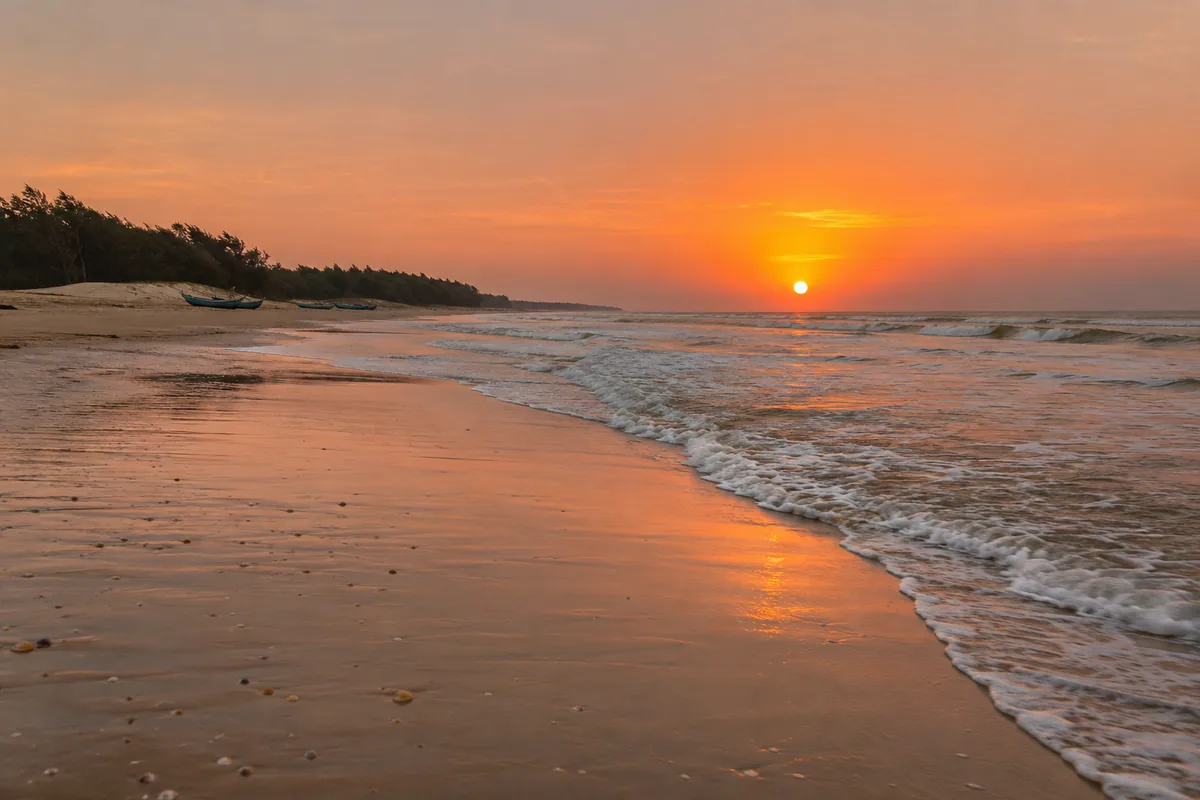
Because the Devi River creates broad sheets of shallow water along the beach, the entire landscape mirrors the twilight colors. The transition from golden amber to deep purple provides remarkable opportunities for photography.
Jahania Beach and Pir Jahania Shrine
Just south of the main river mouth lies Jahania Beach, famous for the revered shrine of Pir Jahania. The sacred mazar is visited with equal devotion by both Hindu and Muslim communities from neighboring districts.
Surrounded by casuarina woods, the shrine represents a touching symbol of coastal harmony and peace. Pilgrims frequently stop here to offer prayers and tie symbolic threads before walking down to the adjacent shore.
Nuagarh Fishing Harbor and Seafood Landing
Early risers can visit the active fishing jetty at Nuagarh, located along the protected river channel. Every morning, scores of mechanized trawlers and colorful wooden boats return from deep-sea fishing expeditions.
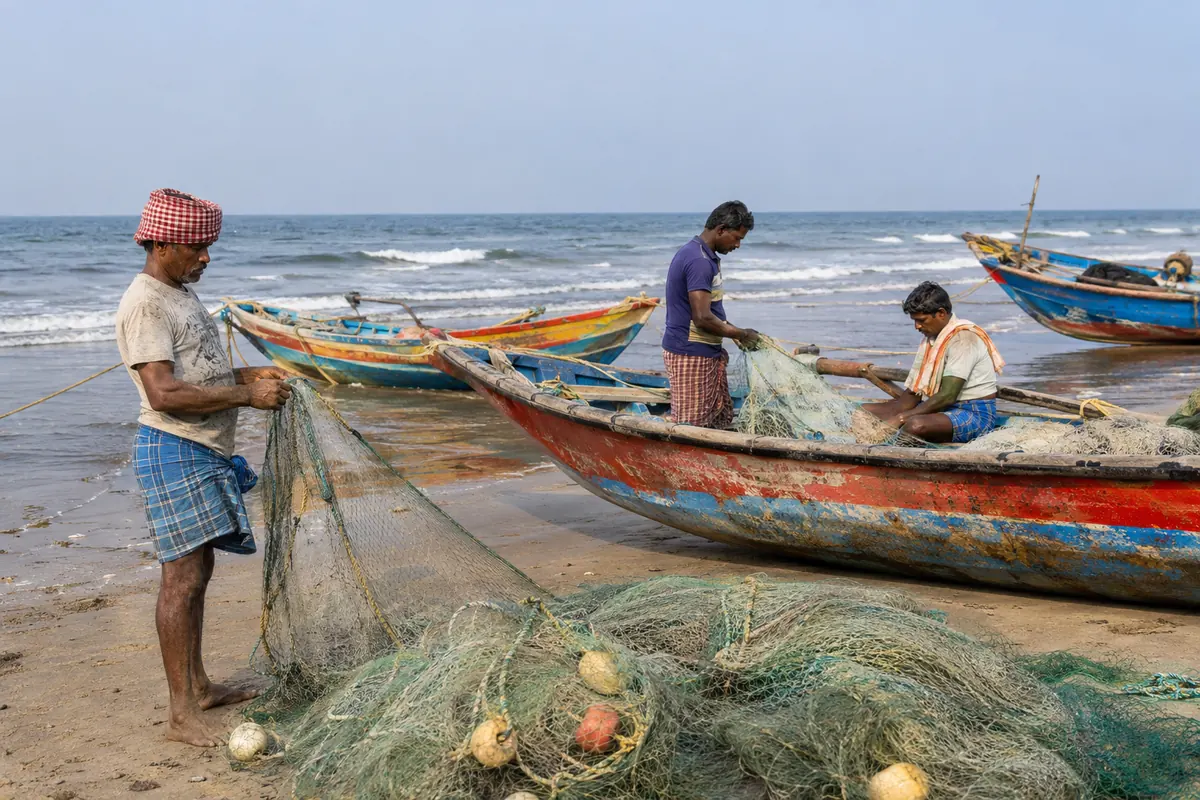
The landing center becomes a hub of activity as fishermen unload catches of pomfret, hilsa, prawns, and crabs. Visitors can observe traditional fish-sorting methods or purchase fresh catch directly from local cooperative vendors at wholesale prices.
Century-Old Salt Production Pans
Astaranga has historically been an important center for artisanal sea salt production in Odisha. Shallow earthen beds near the estuary allow seawater to evaporate naturally under the sun, leaving behind pure sea salt crystals. Walking past these geometric salt pans provides a glimpse into centuries-old coastal livelihood practices.
How to Reach Astaranga Beach from Bhubaneswar and Puri
Astaranga is well-connected by paved state roads, making it accessible as a rewarding day excursion from major regional cities.
| Route Origin | Primary Travel Route | Distance | Estimated Travel Time |
|---|---|---|---|
| Bhubaneswar | Via Pipili, Nimapada & Charichhak (SH-13 / SH-60) | 75 km | 2 hours |
| Puri Town | Via Konark Marine Drive & Kakatpur Road | 65 km | 1 hour 45 minutes |
| Konark Sun Temple | Via coastal rural highway through Kakatpur | 30 km | 50 minutes |
Driving from Bhubaneswar
The journey from Bhubaneswar takes travelers through the scenic rural heartland of Puri district. Drive south along the Bhubaneswar-Puri Highway toward Pipili, then turn eastward toward Nimapada. Continue past Charichhak and Kakatpur directly onto Astaranga Beach Road.
The road passes scenic paddy fields, lotus ponds, and village markets. The tarmac is mostly smooth, although drivers should exercise caution through narrow village bazaars.
Driving from Puri and Konark
Travelers based in Puri can drive along the coastal Marine Drive toward Konark. From Konark, proceed northeastward toward Kakatpur through rural state highways. Combining Astaranga with a morning tour of Balighai Beach on Marine Drive makes for a complete coastal road trip.
Public Transit and Bus Connections
Regular state transport buses operate from Bhubaneswar Baramunda bus terminal and Puri bus stand toward Kakatpur and Astaranga. Local shared auto-rickshaws and mini-buses run continuously between Kakatpur market and Astaranga coastal village. From the final bus stop, auto-rickshaws take travelers directly to the beach edge.
Practical Visitor Advisory, Safety Tips, and Coastal Etiquette
A successful trip to an undeveloped shoreline requires sensible preparation and awareness of natural risks.
Essential Swimming Caution
Visitors must understand that Astaranga is not a recreational swimming beach. The meeting of the Devi River and the open sea creates powerful undertows and shifting underwater silt beds.
Stationed lifeguards are not available along this stretch. Enjoy wading along the calm water margin, but under no circumstances should anyone venture into deep water or swim across the river mouth.
Recommended Travel Gear
Because tourism infrastructure is minimal, carry these basic supplies:
- Adequate drinking water and light refreshments.
- A fully charged camera or smartphone with backup power banks.
- Comfortable sandals or water shoes that slip on and off easily.
- A light cotton shawl or windbreaker for breezy winter evenings.
- A trash bag to ensure no plastic waste is left on the sand dunes.
Respecting Local Communities
Astaranga is a functioning fishing settlement and pilgrimage site. Dress modestly when visiting Pir Jahania and village markets, and ask courteous permission before photographing fishermen at work.
Nearby Heritage Landmarks in the Kakatpur and Prachi Valley Circuit
An excursion to Astaranga can easily be enriched by exploring the rich cultural heritage of the surrounding Prachi River valley.
Maa Mangala Temple at Kakatpur
Located just 19 kilometers inland, the famous Maa Mangala Temple at Kakatpur is one of the most revered Shakti shrines in eastern India. The temple plays an indispensable role during the Nabakalebara festival of Shree Jagannath Temple, as priests pray here for divine guidance to find sacred Daru trees.
Varahi Devi Temple at Chaurasi
History enthusiasts should travel a short distance further to visit the ancient Varahi Devi Temple at Chaurasi. Dating back to the tenth century Somavamshi era, this architectural treasure features a magnificent pot-bellied idol of Goddess Varahi holding a fish and skull cup.
Konark Sun Temple and Chandrabhaga
Heading back along the coast brings you to the world-renowned Sun Temple at Konark. You can also visit Chandrabhaga Beach, renowned for its certified Blue Flag eco-amenities and legendary mythological sunrises.
Frequently Asked Questions About Astaranga Sea Beach Puri
Where is Astaranga Sea Beach located in Odisha?
Astaranga Sea Beach is situated in the eastern corner of Puri district at the mouth of the Devi River. It lies approximately 19 kilometers east of Kakatpur and 65 kilometers from Puri town.
Why is Astaranga Beach famous for sunset views?
The name Astaranga translates literally to color of sunset in the Odia language. Because of the broad estuary horizon, evening skies display spectacular shades of crimson, amber, and deep violet.
What is the best time of year to visit Astaranga Beach?
The winter months from October to March offer pleasant temperatures and crisp coastal breezes. Clear skies during this season guarantee magnificent sunset photography and comfortable shoreline walking.
How far is Astaranga Beach from Bhubaneswar?
Astaranga Beach sits approximately 75 kilometers southeast of Bhubaneswar via the Pipili, Nimapada, and Charichhak state highway. The scenic road journey usually takes about two hours by private vehicle.
Can visitors swim in the sea at Astaranga Beach?
Swimming is strictly discouraged because the confluence of the Devi River and the ocean creates treacherous underwater currents. Travelers should remain on the dry sands or wade only at the shallow water margin.
What are the major attractions near Astaranga Beach?
Key regional landmarks include the sacred Pir Jahania shrine located directly along the sand dunes. Travelers also frequently combine trips with the famous Maa Mangala Temple at nearby Kakatpur.