Featured image for Shri Jagannath Circuit Train 2026: Route and Guide
Travel · · 23 min read · Updated

Shri Jagannath Circuit Train 2026: Route and Guide

Explore the Shri Jagannath Circuit Train 2026 with route details, ticket prices, schedule, and major pilgrimage highlights.

BhubaneswarJagannath TempleKonark Sun TemplePuriShri Jagannath Circuit TrainBharat Gaurav Train

The first time I heard the rhythmic clanking of a train pulling into the Puri station at dawn, I knew I was in for something special. There’s a certain magic in the air in Odisha—a mix of salty sea breeze and the faint, sweet scent of burning incense from a thousand temple lamps. But traveling across the spiritual heart of India can be a logistical challenge. That’s where the Shri Jagannath Circuit Train, part of the IRCTC’s prestigious Bharat Gaurav Tourist Train initiative, changes the game. For 2026, this journey has been reimagined as the “Divine East Temple Tour,” a 10-day odyssey that connects the most sacred sites of Northern and Eastern India in a single, seamless, and soulful loop.

What I love about this particular circuit is that it doesn’t just transport you from point A to point B; it immerses you in the cultural fabric of India. Imagine waking up to the chants of Varanasi, spending your afternoon exploring the colonial grandeur of Kolkata, and finally finding yourself at the feet of Lord Jagannath in Puri. It’s not just a vacation; it’s a pilgrimage that has been refined for the modern traveler who seeks comfort without losing the essence of tradition. In this guide, I’ll walk you through everything you need to know about the 2026 Shri Jagannath Circuit, from the detailed day-by-day itinerary to the insider tips I’ve gathered from my own travels through these sacred lands.

What is the Shri Jagannath Circuit Train (Divine East Temple Tour)?

The Shri Jagannath Circuit Train is one of the crown jewels of the Bharat Gaurav Deluxe Tourist Train scheme. Launched under the Government of India’s “Dekho Apna Desh” and “Ek Bharat Shreshtha Bharat” initiatives, these trains are designed to showcase the rich cultural heritage and magnificent historical places of India to the people of the country and the world. For 2026, the circuit is officially titled the Divine East Temple Tour, reflecting its broader scope that includes West Bengal and Jharkhand alongside the primary destination of Odisha, one of the best tourist places in Odisha.

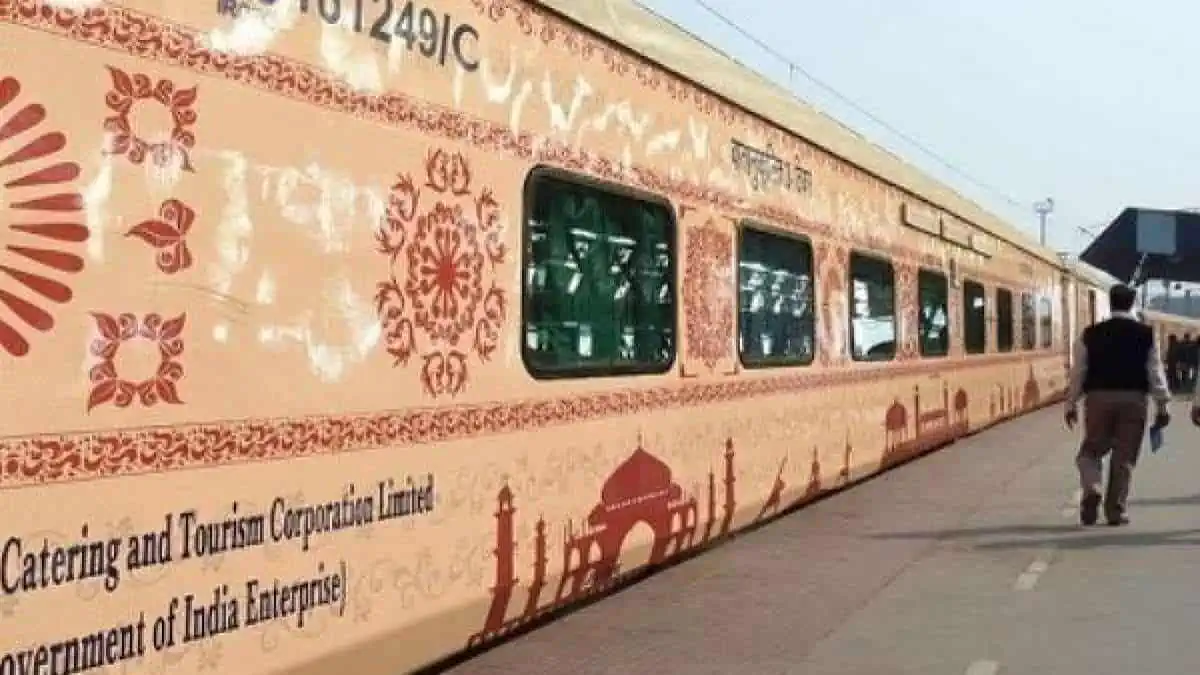
This isn’t your average express train. The Bharat Gaurav Deluxe is a mobile hotel. When I first stepped onto one of these trains, I was struck by the attention to detail—the thematic decor, the clean, modern amenities, and the sense of community among the passengers. The 2026 tour is scheduled to commence on March 9, 2026, from Delhi Safdarjung Railway Station, making it a perfect springtime spiritual escape. It covers four states—Uttar Pradesh, West Bengal, Odisha, and Jharkhand—offering a panoramic view of India’s diverse religious landscape.

The beauty of this circuit lies in its convenience. If you were to plan this trip independently, you’d be juggling multiple train bookings, hotel stays, and local taxi drivers in every city. With the Shri Jagannath Circuit Train, IRCTC handles everything. Your ticket covers your travel, your AC hotel stays, all vegetarian meals, sightseeing in AC buses, and even travel insurance. It’s the ultimate “peace of mind” package for families and senior citizens who want to experience the Char Dham of the East without the typical travel stress. For more information on the scheme, you can visit the official Bharat Gaurav Trains portal.

The Mythological Significance of the Four Sacred States

To truly appreciate the Shri Jagannath Circuit, one must understand the spiritual weight of the regions it traverses. This isn’t just a geographical journey; it’s a traversal through the “Siddha Peethas” and “Jyotirlingas” that have defined Indian spirituality for millennia.

Uttar Pradesh: The Land of Shiva and Liberation

Varanasi, the first major stop, is believed to be the oldest living city in the world. According to legend, it was founded by Lord Shiva himself. It is one of the seven holiest cities (Sapta Puri) in Hinduism. The belief that dying here or even visiting the Kashi Vishwanath Temple can grant “Moksha” (liberation from the cycle of rebirth) is what draws millions of seekers every year. The 2026 tour allows you to walk through the Kashi Vishwanath Corridor, a grand project that has seamlessly connected the ancient temple with the banks of the Ganges.

West Bengal: The Abode of the Mother Goddess

The circuit then moves into the land of the Divine Mother. Kolkata is home to Kalighat, one of the most powerful Shakti Peethas where the toes of Sati’s right foot are said to have fallen. The inclusion of Gangasagar is particularly significant in 2026. This is the place where the legendary King Bhagiratha led the Ganges down from the heavens to liberate the souls of his ancestors. A dip at the confluence of the Ganga and the Bay of Bengal is considered the pinnacle of purification.

Odisha: The Kingdom of the Lord of the Universe

Odisha is the heart of the tour. Puri is one of the four original “Char Dhams” established by Adi Shankaracharya. Unlike other deities who are often seen as distant figures of worship, Lord Jagannath is treated as a living king—a “Jibanta Devata.” He eats, bathes, and even falls ill during the Anavasara period. This human-like connection with the divine is what makes the Odia culture so vibrant and deeply emotional.

Jharkhand: The Healing Power of the Vaidyanath

Finally, the tour touches Jharkhand at Deoghar. The Baidyanath Temple is unique because it is both a Jyotirlinga and a Shakti Peetha. Legend has it that the demon king Ravana worshipped Shiva here to gain immense power. Shiva gave him a Lingam but warned him not to place it on the ground. Through a divine trick, the Lingam was placed here, and it became known as “Baidyanath” (the Lord as a Physician). It is a place where thousands come seeking physical and spiritual healing.

Detailed 10-Day Itinerary: The 2026 Spiritual Quest

Here is the day-wise breakdown of what you can expect during the Divine East Temple Tour 2026. This schedule is designed to balance intense spiritual experiences with necessary rest.

Day 1: Departure from Delhi - The Beginning of the Odyssey

The journey begins at the Delhi Safdarjung Railway Station. There’s a palpable energy on the platform as pilgrims from all walks of life gather. The train usually departs in the late afternoon. As the city lights of Delhi fade away, you’ll be served your first freshly prepared vegetarian dinner on board. The IRCTC staff often performs a small “tilak” ceremony for departing guests, making you feel like a royal pilgrim from the very start. I always recommend spending the first evening getting to know your fellow travelers in the lounge or your cabin—these are the people you’ll be sharing a sacred journey with for the next ten days.

Day 2: The Spiritual Aura of Varanasi

Arriving in Varanasi in the morning, you’ll be transferred to an AC hotel to freshen up. Varanasi, or Kashi, is the spiritual capital of India. The highlights here include a visit to the Kashi Vishwanath Temple and the newly built Corridor, which has transformed the darshan experience. The corridor is a marvel of modern engineering that respects ancient tradition, providing a wide, clean path from the river to the sanctum sanctorum.

In the evening, you’ll witness the world-famous Ganga Aarti at the Dashashwamedh Ghat. The sight of hundreds of lamps reflected in the dark waters of the Ganges, accompanied by the rhythmic chanting of priests and the clanging of bells, is a sensory experience you’ll never forget. Trust me, try to get a spot on one of the boats for a better view of the Aarti. The view from the river allows you to see the entire ghat light up like a galaxy.

Day 3: Kolkata – The City of Joy and Devotion

After an overnight journey from Varanasi, you arrive in Kolkata. The city is a fascinating blend of colonial history and deep-rooted devotion. You’ll visit the Victoria Memorial, a stunning white marble building that tells the story of India’s British era. The gardens here are perfect for a quiet stroll before the spiritual intensity of the afternoon.

The spiritual highlight is the Kalighat Kali Temple, one of the 51 Shakti Peethas. The atmosphere here is intense and ancient. We’ll also visit the Dakshineshwar Kali Temple, located on the banks of the Hooghly River. The energy here, where Sri Ramakrishna Paramahansa once lived and worshipped, is incredibly peaceful compared to the bustle of the city. The temple’s architecture, with its nine spires (Navaratna style), is a beautiful sight against the Kolkata skyline.

Day 4: The Holy Dip at Gangasagar

This is one of the most unique aspects of the 2026 circuit. Gangasagar is where the River Ganges meets the Bay of Bengal. It’s a place of immense religious significance, especially for the “Sagar Snan” (holy dip). The logistics of reaching Gangasagar can be tricky for individual travelers, involving bus rides and ferry crossings, but the Bharat Gaurav tour handles this seamlessly.

After reaching the Sagar Sangam, you’ll visit the Kapil Muni Temple. The legend of King Sagar’s 60,000 sons and their liberation by the Ganges comes alive here. The journey involves a ferry ride across the Muri Ganga River, which adds a bit of adventure to the pilgrimage. “Sab Tirtha Bar Bar, Gangasagar Ekbar” (All pilgrimages many times, but Gangasagar once) is a common saying that highlights the importance of this stop.

Day 5: Entering the Holy Land of Odisha (Puri)

By Day 5, the train enters Odisha, and the excitement reaches its peak. Arrival at Puri is usually in the afternoon. Puri is not just a destination; it’s an emotion. After checking into your hotel, you’ll head straight for the Shree Jagannath Temple. The sight of the Nilachakra (the blue wheel) atop the 214-foot high temple tower is awe-inspiring.

I remember the first time I entered the Singhadwara (Lion’s Gate); the sheer scale of the devotion there is overwhelming. You’ll have the opportunity for darshan of the Trinity—Lord Jagannath, Lord Balabhadra, and Devi Subhadra. The 2026 tour ensures you have ample time to soak in the atmosphere of the temple complex, which houses over 100 smaller shrines. Don’t forget to look at the Aruna Stambha (Sun Pillar) at the entrance, which was brought here from the Sun Temple at Konark.

Day 6: Bhubaneswar – The Temple City and Ancient Caves

A short drive from Puri takes you to Bhubaneswar, the capital of Odisha. Here, the focus shifts to the incredible Kalinga architecture. You’ll visit the Lingaraj Temple, a 11th-century masterpiece that represents the peak of Odia temple building. The main tower is 180 feet high and is covered with exquisite carvings of gods, goddesses, and celestial dancers.

You’ll also explore the Dhauli Shanti Stupa, where the Kalinga War ended and Ashoka the Great embraced Buddhism. The white pagoda overlooking the Daya River is a symbol of peace. The day concludes with a visit to the Udayagiri and Khandagiri Caves, which date back to the 2nd century BCE. These rock-cut shelters were once home to Jain monks. Climbing to the top of Udayagiri gives you a panoramic view of the “Temple City” as the sun begins to set.

Day 7: Konark Sun Temple and the Golden Beach

No trip to Odisha is complete without visiting the Konark Sun Temple, a UNESCO World Heritage site. Built in the shape of a massive chariot with 24 carved stone wheels, it’s a testament to the astronomical and architectural genius of ancient India. The stone wheels are actually sun dials that can tell the time with incredible accuracy even today.

After exploring the temple, you’ll spend some time at the Chandrabhaga Beach, famous for its sunrise and its association with the legend of Shamba. We will also visit the Golden Beach in Puri, which is one of the few Blue Flag certified beaches in India, known for its cleanliness and safety. The evening is free for shopping in the Puri market—look for Pattachitra paintings, Pipili applique work, and Sambalpuri sarees!

Day 8: Baidyanath Dham (Deoghar)

The train leaves Odisha and heads to Jharkhand. The destination is Deoghar, home to the Baidyanath Jyotirlinga Temple. It is one of the twelve Jyotirlingas and also a Shakti Peetha, making it doubly sacred. The atmosphere here is usually filled with the chants of “Bol Bam” by saffron-clad pilgrims. Unlike many other Jyotirlingas, the Baidyanath temple has a unique tradition where pilgrims offer water (Ganga Jal) brought from the Ganges at Sultanganj. The darshan here is considered highly auspicious for health and well-being.

Day 9 & 10: The Journey Home and Reflection

The final leg of the tour is the return journey to Delhi. Day 9 is mostly spent on board, allowing you to relax and reflect on the spiritual experiences of the past week. This is a great time to exchange photos with your new friends and write down your thoughts. The IRCTC staff often organizes a small “farewell” gathering or sharing session on the train. You’ll reach Delhi Safdarjung on the morning of Day 10, bringing an end to this magnificent circuit.

The Bharat Gaurav Deluxe Experience: More Than Just a Train

One of the most common questions I get is, “What is it like to stay on the train?” For the Shri Jagannath Circuit 2026, IRCTC uses the Bharat Gaurav Deluxe Tourist Train, which is a significant upgrade from the standard sleeper or even standard AC coaches.

Fully Air-Conditioned Comfort and Thematic Decor

The entire train is air-conditioned. Depending on your package, you’ll be in 1st AC, 2nd AC, or 3rd AC class. The 1st AC cabins offer the most privacy with lockable doors, while the 2nd and 3rd AC coaches are great for those who enjoy the social aspect of Indian rail travel. The interior of the train is decorated with themes of India’s culture—expect to see murals of Odissi dancers, Varanasi ghats, and Vedic symbols.

Gourmet Vegetarian Dining and the “Pantry Experience”

Food is a highlight of this journey. The train has a modern pantry car that serves freshly cooked, purely vegetarian meals. They focus on hygiene and local flavors. You might start your day with Poha or Idli-Sambar, have a wholesome thali for lunch, and a lighter dinner. They even provide bottled mineral water throughout the trip. One of my favorite moments on these trains is the evening tea service with local snacks—it’s the quintessential Indian rail experience.

Safety, Security, and Professionalism

Safety is a top priority, especially for solo female travelers or elderly groups. Each coach has dedicated security guards, and the common areas are equipped with CCTV cameras. There’s also an infotainment system on board for public announcements, devotional music, and light entertainment. The tour managers are always available to assist with any issues, whether it’s a minor health concern or a question about the next day’s schedule.

All-Inclusive Logistics: The “No-Stress” Factor

Here’s the thing: when you step off the train, you don’t have to worry about anything. AC buses wait at the station to take you to your hotel or the sightseeing spots. The hotels selected by IRCTC are usually 3-star or equivalent AC hotels, ensuring a good night’s sleep after a long day of exploring. Even the entry fees to major monuments and the services of local guides are included in your package.

Focus on Odisha: The Spiritual Heart of the Circuit

While the tour covers many states, the three days spent in Odisha are undoubtedly the highlight. Odisha, or the “Soul of Incredible India,” offers a unique blend of spirituality, art, and nature. You can explore more official details at the Odisha Tourism website.

The Mysteries of Jagannath Puri

The Jagannath Temple in Puri is one of the four most sacred Dhams in India. What I find most fascinating are the mysteries associated with it. For instance, have you ever noticed that the flag (Patitapabana) atop the temple always flies in the opposite direction of the wind? Or that no birds or planes ever fly over the temple dome?

The most amazing part for many is the Mahaprasad. It is cooked in seven earthen pots placed one on top of the other over a wood fire. Miraculously, the food in the top-most pot is cooked first, and the bottom-most last. When you visit, make sure to try the Abhada (the cooked lunch). It is served on banana leaves and is believed to be the food of the gods themselves.

Bhubaneswar’s Architectural Grandeur

Bhubaneswar is often called the “Cathedral City of India” because it once boasted over 7,000 temples around the Bindusagar Tank. Today, around 500 remain, each a masterpiece of stone carving. The Lingaraj Temple is the largest, but don’t ignore the smaller ones. The Rajarani Temple, often called the ‘Love Temple’ due to its beautiful erotic carvings, is famous because it has no presiding deity—it’s a celebration of art itself. For more details on what to see in the capital, check out our guide on the 11 best tourist places in Bhubaneswar.

The Timelessness of Konark

Standing before the Sun Temple at Konark is a humbling experience. It was built by King Narasimhadeva I in the 13th century. The temple was designed as a colossal chariot for Surya, the Sun God, pulled by seven horses representing the days of the week. Although the main sanctum has collapsed, the surviving Audience Hall (Jagamohana) is enough to leave you speechless. I recommend hiring a government-authorized guide to explain the intricate carvings—from scenes of daily life and military processions to the legendary erotic sculptures.

Shri Jagannath Circuit Train Ticket Price 2026

The pricing for the 2026 Divine East Temple Tour is tiered based on the class of travel and occupancy. While it might seem higher than a regular train ticket, remember that this is an all-inclusive luxury package.

Class of TravelSingle OccupancyDouble OccupancyTriple Occupancy
1AC Class (Coupe/Cabin)Rs 1,18,500Rs 1,06,940-
2AC ClassRs 1,10,000Rs 98,925Rs 95,000
3AC ClassRs 88,000Rs 79,285Rs 75,000

Note: Prices are approximate and based on early 2026 announcements. Always check the official IRCTC Tourism website for the most current rates and specific discounts for groups or senior citizens.

What’s Included in the Package?

  • Travel in the specified AC class of the Bharat Gaurav Deluxe Train.
  • 9 Nights of accommodation (some on train, some in 3-star AC hotels).
  • All vegetarian meals (Breakfast, Lunch, and Dinner) including tea and snacks.
  • All transfers and sightseeing in AC buses.
  • Travel insurance for all passengers up to 70 years of age.
  • Services of professional tour managers and local guides.
  • All applicable taxes (GST).

Practical Tips for Your 2026 Pilgrimage

Planning a 10-day spiritual journey requires some preparation. Here are some local insights and practical tips to make your Shri Jagannath Circuit experience smoother:

1. Understanding the Dress Code

Most temples in Odisha and Varanasi have a strict dress code. Men should carry a dhoti or formal trousers (no shorts), and women should wear sarees or salwar kameez. In the Jagannath Temple, while there isn’t a “uniform,” wearing western shorts or sleeveless tops is highly discouraged and might lead to entry being denied. I always suggest carrying a light cotton dupatta or stole—it’s useful for covering shoulders or as a head covering when needed.

2. Footwear and Temple Logistics

You’ll be removing your shoes frequently. Wear comfortable slip-on sandals rather than lace-up sneakers. Most temples have shoe-keeping stands (often for a nominal fee of 5-10 rupees). I also recommend carrying a few pairs of disposable socks if you are uncomfortable walking barefoot on stone floors, which can get quite hot in the afternoon sun.

3. Connectivity and Gadgets

While the train has an infotainment system, mobile connectivity can be patchy in parts of the journey. Carry a high-capacity power bank. Photography is strictly prohibited inside the main sanctum of the Jagannath Temple and the Lingaraj Temple. In fact, you often have to leave your phones and cameras at the entrance lockers. Respect these rules; they are enforced by temple police and priests.

4. Exploring Local Flavors

While IRCTC provides excellent meals, part of the joy of travel is tasting the local culture. You can read more about famous Odisha foods in our dedicated guide.

  • In Varanasi: Try the Banarasi Lassi and the Kachori Sabzi.
  • In Kolkata: Don’t miss the Roshogulla and the Sandesh.
  • In Odisha: Try the Chenna Poda (Odisha’s version of a cheesecake) and Pahala Rasagola if you pass through that area. In Puri, the Khaja (a sweet, flaky pastry) is the most popular prasad to take home.

5. Shopping for Souvenirs

Odisha is home to some of the most intricate and beautiful handicrafts in India.

  • Pattachitra: Traditional scroll paintings on cloth.
  • Pipili Work: Colorful applique work (umbrellas, wall hangings).
  • Silver Filigree (Tarakasi): Exquisite silver jewelry from Cuttack.
  • Handlooms: Look for Sambalpuri or Ikkat sarees and dress materials.

6. Health and Hydration

The journey involves some walking, especially at the caves and larger temple complexes. Carry your regular medications and a small first-aid kit. Stay hydrated—drink only bottled water (which IRCTC provides). The Odisha sun can be quite strong even in March, so carry a hat and sunscreen.

7. Cash and Payments

While the major expenses are covered, you’ll need cash for small purchases, donations at temples, and shopping. Most shops in cities like Bhubaneswar and Kolkata accept UPI (GPay/PhonePe), but in smaller pilgrimage sites and for street vendors, cash is still king.

How to Book Tickets for Shri Jagannath Circuit Train 2026

Booking your spot on this sacred journey is straightforward but should be done well in advance, as these themed tours sell out quickly.

  1. Online Booking: Visit the official IRCTC Tourism Portal. Look for the “Bharat Gaurav Trains” section and search for the “Divine East Temple Tour” or “Shri Jagannath Circuit.”
  2. IRCTC Offices: You can also book through IRCTC’s Regional and Zonal offices located in major cities like Delhi, Mumbai, Kolkata, and Chennai.
  3. Authorized Agents: Many travel agents are authorized to book Bharat Gaurav packages. Ensure they have a valid IRCTC license.
  4. Payment Options: IRCTC offers various payment modes. They have also partnered with payment gateways like Razorpay and Paytm to offer EMI options, allowing you to pay for the spiritual journey in monthly installments.

Cancellation and Refund Rules

Life is unpredictable. If you need to cancel, IRCTC has a clear policy:

  • Before 30 days: Only 10% of the package cost is deducted.
  • 15-29 days: 30% of the package cost is deducted.
  • 08-14 days: 60% of the package cost is deducted.
  • Less than 8 days: No refund is provided. Always check the specific terms at the time of booking, as they can vary slightly based on the specific train operator.

A Spiritual Journey to Remember

The Shri Jagannath Circuit Train 2026 is more than just a travel package; it’s a bridge between the ancient and the modern. It allows you to traverse thousands of kilometers and thousands of years of history without the usual hardships of a pilgrimage. Whether you are a devout seeker looking for the “Moksha” of Kashi and the “Darshan” of Puri, or a traveler eager to witness the architectural wonders of the Kalinga and Pala dynasties, this tour offers a deeply rewarding experience for every type of traveler.

I remember sitting on the banks of the Bindusagar tank in Bhubaneswar as the sun set, thinking about how these stones have seen empires rise and fall, yet the faith of the pilgrims remains unshaken. Traveling on the Bharat Gaurav train gives you that same sense of timelessness. You are part of a grand tradition of Indian travelers who have sought the divine for millennia, but with the added comfort of a warm meal and a cozy bed waiting for you on the tracks.

Don’t wait too long to plan. The 2026 Divine East Temple Tour is a rare opportunity to see India in its most vibrant, spiritual, and incredible form. From the Ganga Aarti of Kashi to the Mahaprasad of Puri, every moment is a memory in the making. Jai Jagannath!


FAQs on Shri Jagannath Circuit Train 2026

1. What is the duration of the Shri Jagannath Circuit Train 2026 tour?

The tour, officially known as the “Divine East Temple Tour,” is a 10-day (9 nights and 10 days) comprehensive journey starting on March 9, 2026.

2. Which states are covered in the 2026 Divine East Temple Tour?

The tour covers four major Indian states: Uttar Pradesh (Varanasi), West Bengal (Kolkata & Gangasagar), Odisha (Puri, Bhubaneswar, Konark), and Jharkhand (Deoghar).

3. What is the starting price for a ticket on the Shri Jagannath Circuit Train?

The packages for the 2026 tour start from approximately Rs 75,000 to 79,285 per person for the 3AC class (triple/double occupancy). 2AC and 1AC options are also available at higher price points.

4. Is the food on the Shri Jagannath Circuit Train vegetarian?

Yes, the IRCTC provides purely vegetarian meals (Breakfast, Lunch, and Dinner) freshly prepared in the train’s pantry car or at designated hotels. This is in keeping with the spiritual nature of the pilgrimage.

5. Can I book this tour if I am traveling alone?

Absolutely! IRCTC offers single occupancy packages. While they are more expensive than shared occupancy, they provide private hotel rooms and more space. It’s a very safe way for solo travelers and senior citizens to visit these pilgrimage sites.

6. Are non-Hindus allowed on this tour?

Yes, everyone is welcome to join the tour and travel on the train. However, please be aware that certain temples on the route, such as the Jagannath Temple in Puri and the Lingaraj Temple in Bhubaneswar, have strict traditions that restrict entry into the main sanctum for non-Hindus. In such cases, IRCTC usually arranges for viewing from designated platforms or visits to nearby secular attractions.

7. What is the best time to book the Shri Jagannath Circuit Train?

It is recommended to book as soon as the schedule is announced (usually 3-4 months in advance), as these Bharat Gaurav tours have limited capacity (around 600 passengers) and are often sold out within weeks of opening.

8. What kind of hotels are provided during the stay?

IRCTC typically partners with 3-star equivalent AC hotels. These are selected based on their proximity to the temples and their standards of cleanliness and food quality.

Consider reading: